
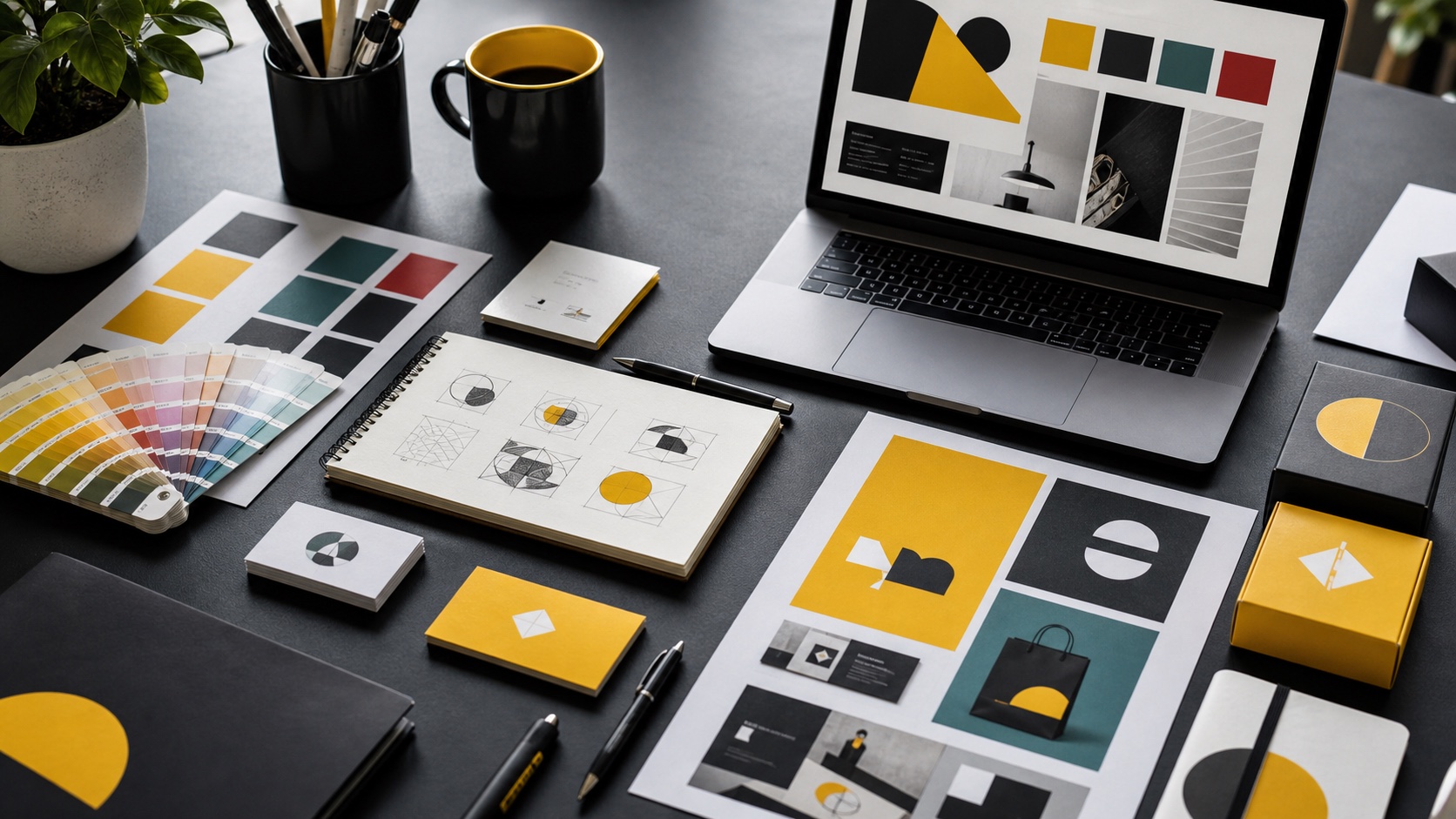
Branding for Biggin businesses
For businesses in Biggin, this page sits within Derbyshire and the wider East Midlands coverage directory in England. Nearby entries in the same county or council area include Nether Biggin, Upper Biggin, Millington Green. The map below identifies the named area so you can check that you are viewing the right place.
If your business is based in Biggin but serves a wider audience, include that wider coverage in your enquiry. We can discuss how to make the local connection clear while keeping the service explanation useful for customers beyond the settlement.
For the broader service coverage, see Branding in East Midlands and Branding in Derbyshire.
Review the impression you already create
A business may have a recognisable name while its website, proposals and social profiles tell different stories. We review those touchpoints to understand what should be retained and what needs clarification. The starting point is the existing perception and your next goal. A rebrand should solve an identifiable communication problem rather than replace familiar elements without a clear reason.
Turn vague qualities into credible language
Words such as quality, care and innovation need context if they are to help a customer choose. We explore what those qualities mean in your actual service and how they can be demonstrated. A stronger brand message uses concrete explanations and a recognisable voice. This gives the identity useful substance and reduces the temptation to rely on unsupported superlatives.
Test the identity at the sizes you use
A visual direction needs to work in real conditions: a website header, a social avatar, an email signature or a proposal cover. We use relevant applications to review clarity and balance rather than judging only a large presentation image. Small sizes and narrow layouts can reveal problems early. The project scope should identify the formats that your business actually needs.
Give your team a usable tone of voice
A brand voice needs to be understandable to the people writing everyday content. We discuss how formal, direct or conversational the language should feel and provide relevant examples. Website introductions, enquiry replies and proposals may use different levels of detail while retaining the same character. Practical guidance helps avoid a polished launch followed by inconsistent messages across the business.
Use real materials to review the direction
A proposed identity is easier to assess when applied to something the business uses. We select relevant examples from the agreed scope and review whether the design supports the message in each one. This can reveal issues that are hidden in an isolated logo presentation. Feedback should address the agreed audience and purpose, not simply collect unrelated personal preferences.
Plan the change across your touchpoints
Updating an identity can affect a website, profiles, proposals, signatures and other customer-facing materials. We help identify the priority touchpoints and a sensible order for introducing the change. Existing recognition and available resources should influence that plan. A coordinated rollout makes the transition easier to understand and reduces the chance of different versions continuing in public without a clear reason.
Leave room for future services
The identity should support the business' s current offer and allow sensible development. We discuss likely changes so the system is not tied unnecessarily to one campaign or narrow service description. Future flexibility still needs limits: consistent rules help new material feel related. The aim is an identity that can be maintained, with a clear reason for any later expansion or adjustment.
Agree the reason for the change
Write down the problem the branding project needs to solve, such as unclear positioning or inconsistent materials. Identify which audiences matter most. That starting point gives later design reviews a purpose beyond personal preferences about colours or logos.
Plan the rollout of the identity
List the materials that need updating and decide their sequence. Some changes depend on website work, print schedules or supplier access. A rollout plan connects the approved design to the places where customers will actually see it.
Build a manageable asset library
Keep a clear set of approved identity files and reusable materials, with a named owner. Retire versions that are no longer suitable. An organised library makes the branding work easier to apply and reduces the likelihood of outdated artwork returning to use.
Prepare your branding brief
To start the discussion, share your current identity, customers, service offer, existing materials and the reason for the proposed change. Include the places your customers come from, the timeframe you have in mind and who will approve the work. We can then discuss a scope around positioning, visual direction, messaging and practical brand guidance that fits your priorities.
For related work in this area, explore Website design, SEO, Digital strategy.