
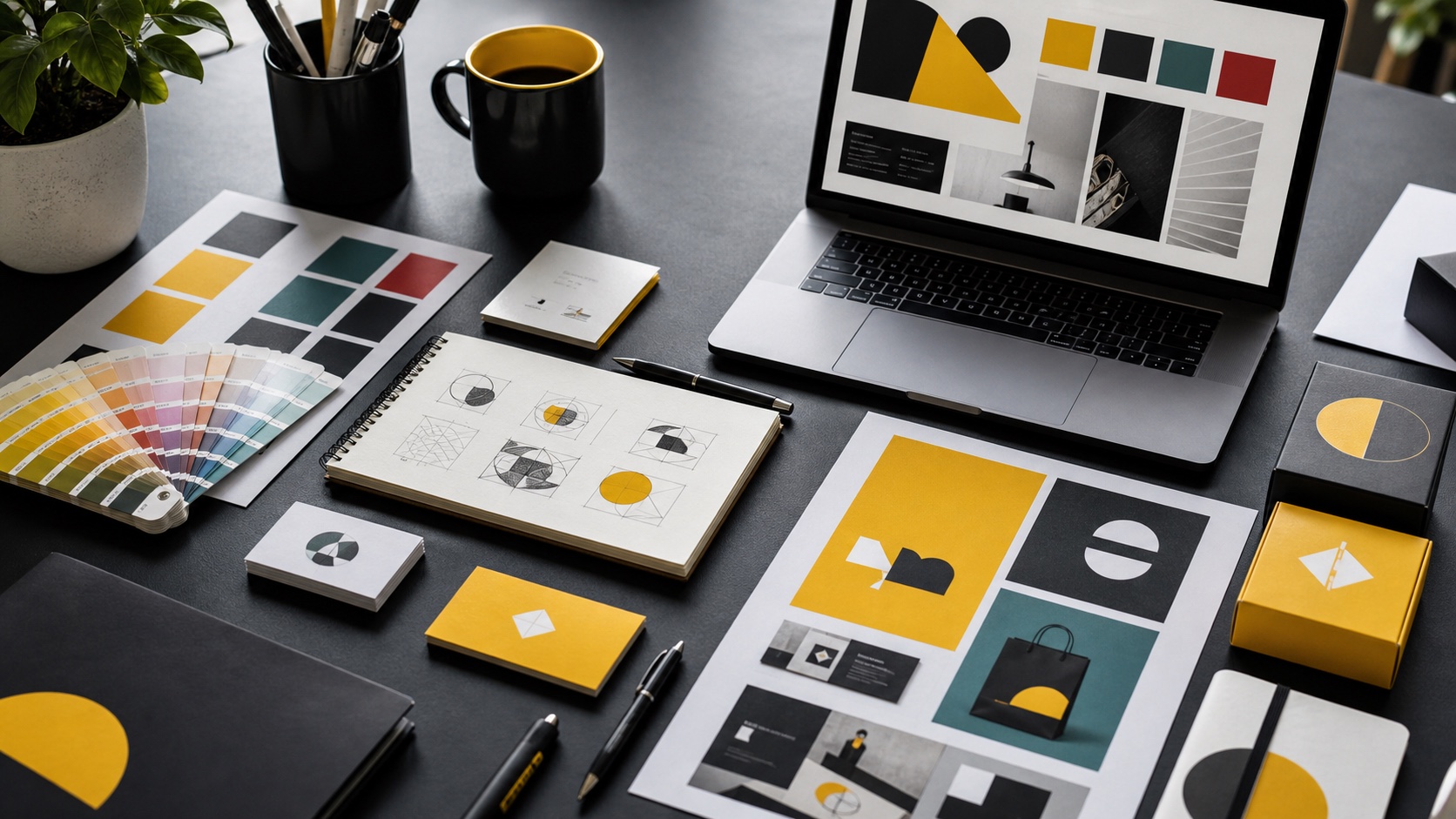
Branding for Boothgate businesses
For businesses in Boothgate, this page sits within Derbyshire and the wider East Midlands coverage directory in England. Nearby entries in the same county or council area include White Moor, Heage, Far Laund. The map below identifies the named area so you can check that you are viewing the right place.
If your business is based in Boothgate but serves a wider audience, include that wider coverage in your enquiry. We can discuss how to make the local connection clear while keeping the service explanation useful for customers beyond the settlement.
For the broader service coverage, see Branding in East Midlands and Branding in Derbyshire.
Find the promise behind the identity
Branding starts with what your business wants people to understand and remember. We discuss the customers you serve, the offer you make and the evidence behind it before choosing visual directions. That gives the identity a reason to exist beyond personal taste. A useful brief separates the business' s actual strengths from claims it would simply like to be true.
Make the difference easy to explain
A clear positioning statement helps you decide what the brand should emphasise. We explore the offer, suitable customers and reasons someone would choose the business, then test whether that explanation is specific enough to be useful. The wording should stand up in a real sales conversation. Visual choices can then reinforce the message instead of carrying the entire explanation themselves.
Choose colour and type with a purpose
Colour and typography influence both the impression of the business and the readability of its materials. We consider those choices alongside contrast, hierarchy and the content they will support. A striking combination is useful only if it remains practical across your channels. The final direction should explain how the elements work together so future materials can follow the same logic.
Keep the wording clear across channels
Brand consistency involves meaning as well as appearance. We review how the service is described in short profiles, longer pages and sales materials, looking for conflicting promises or unclear language. A shared set of message priorities can help your team adapt content appropriately. That gives the business a recognisable explanation even when the format, length or audience changes.
Check the identity beyond its first impression
An identity may look appealing in a presentation but still need refinement for everyday use. We review practical applications, image treatment, text hierarchy and the relationship between different assets. This helps establish whether the direction is flexible enough for your planned materials. The approval process should consider those uses alongside the overall impression of the business.
Create guidance that survives the handover
Brand guidelines should answer the questions your team is likely to face after the project. That can include spacing, colour use, type hierarchy, image treatment and common mistakes. We keep the guidance connected to the actual assets and agreed applications. A practical reference helps new materials remain consistent without requiring the original designer to approve every routine update.
Connect branding to the wider digital plan
An identity project often reveals questions about the website, service message or marketing priorities. We help identify which decisions belong in the branding scope and which need separate planning. That keeps the work focused while giving you a clear route for related improvements. The brand should provide a consistent foundation for those projects, with the offer and customer needs still leading the decisions.
Choose practical design applications
Select representative materials on which to test the identity, including a small-screen website view and a routine business document. Seeing the system in use helps the team evaluate readability, flexibility and fit with everyday communication.
Plan the rollout of the identity
List the materials that need updating and decide their sequence. Some changes depend on website work, print schedules or supplier access. A rollout plan connects the approved design to the places where customers will actually see it.
Build a manageable asset library
Keep a clear set of approved identity files and reusable materials, with a named owner. Retire versions that are no longer suitable. An organised library makes the branding work easier to apply and reduces the likelihood of outdated artwork returning to use.
Prepare your branding brief
To start the discussion, share your current identity, customers, service offer, existing materials and the reason for the proposed change. Include the places your customers come from, the timeframe you have in mind and who will approve the work. We can then discuss a scope around positioning, visual direction, messaging and practical brand guidance that fits your priorities.
For related work in this area, explore Website design, SEO, Digital strategy.