
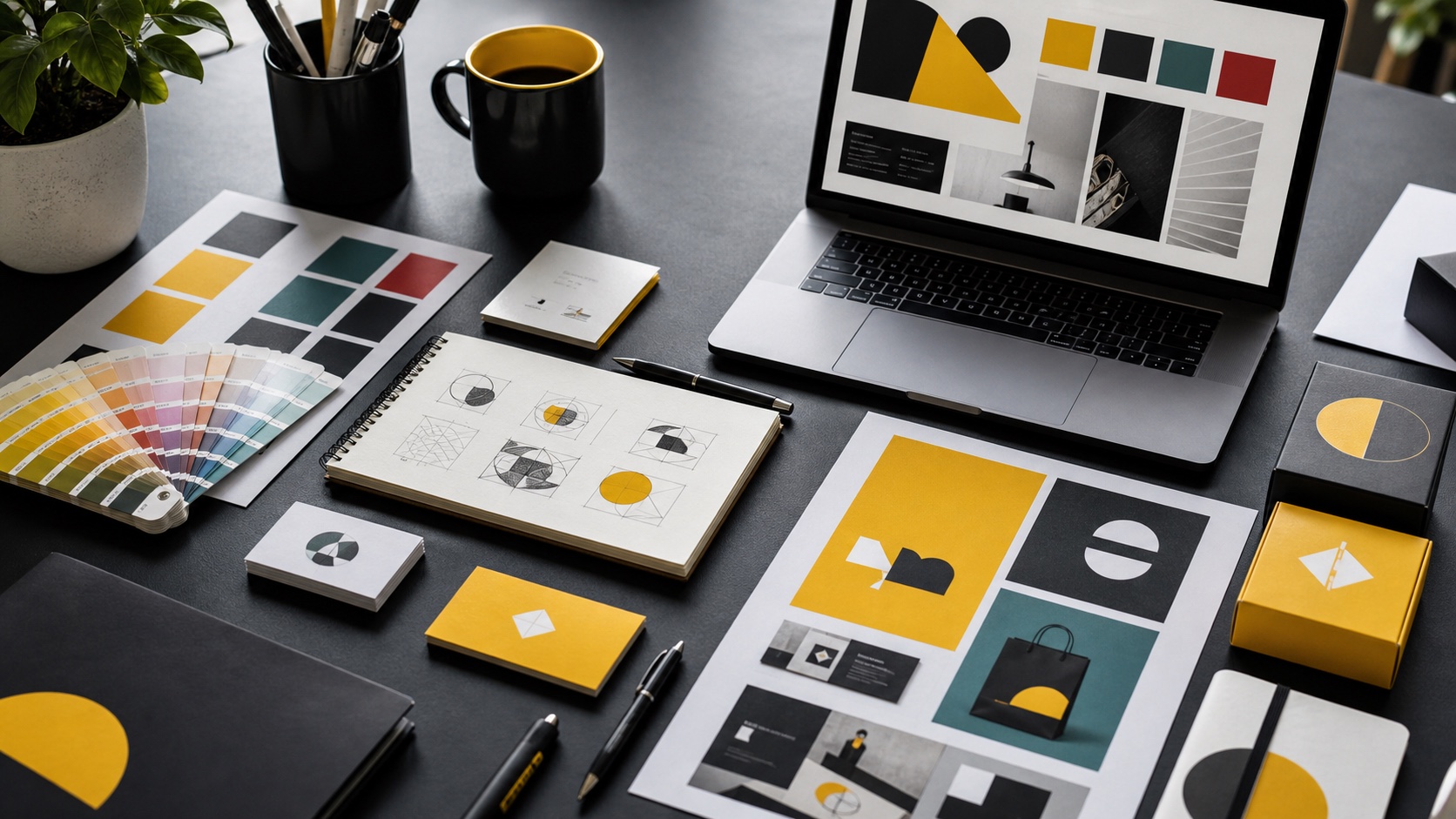
Branding for Tapton businesses
For businesses in Tapton, this page sits within Derbyshire and the wider East Midlands coverage directory in England. Nearby entries in the same county or council area include Stonegravels, Brimington, Whittington Moor. The map below identifies the named area so you can check that you are viewing the right place.
If your business is based in Tapton but serves a wider audience, include that wider coverage in your enquiry. We can discuss how to make the local connection clear while keeping the service explanation useful for customers beyond the settlement.
For the broader service coverage, see Branding in East Midlands and Branding in Derbyshire.
Find the promise behind the identity
Branding starts with what your business wants people to understand and remember. We discuss the customers you serve, the offer you make and the evidence behind it before choosing visual directions. That gives the identity a reason to exist beyond personal taste. A useful brief separates the business' s actual strengths from claims it would simply like to be true.
Give the message a practical hierarchy
The first line of a website, a proposal introduction and a social profile do not all have the same amount of space. We plan how the main promise, supporting detail and evidence fit those different contexts. That creates a message system your team can adapt. The goal is consistent meaning, rather than forcing an identical paragraph into every channel.
Test the identity at the sizes you use
A visual direction needs to work in real conditions: a website header, a social avatar, an email signature or a proposal cover. We use relevant applications to review clarity and balance rather than judging only a large presentation image. Small sizes and narrow layouts can reveal problems early. The project scope should identify the formats that your business actually needs.
Keep the wording clear across channels
Brand consistency involves meaning as well as appearance. We review how the service is described in short profiles, longer pages and sales materials, looking for conflicting promises or unclear language. A shared set of message priorities can help your team adapt content appropriately. That gives the business a recognisable explanation even when the format, length or audience changes.
Use real materials to review the direction
A proposed identity is easier to assess when applied to something the business uses. We select relevant examples from the agreed scope and review whether the design supports the message in each one. This can reveal issues that are hidden in an isolated logo presentation. Feedback should address the agreed audience and purpose, not simply collect unrelated personal preferences.
Prepare assets people can use correctly
The handover needs to match your team' s routine tasks and the suppliers who may use the identity. We discuss the required file formats, logo versions and application guidance within the project scope. Clear naming and practical examples reduce uncertainty. The purpose is to make consistent use achievable, rather than deliver a collection of files with no explanation of which one belongs where.
Leave room for future services
The identity should support the business' s current offer and allow sensible development. We discuss likely changes so the system is not tied unnecessarily to one campaign or narrow service description. Future flexibility still needs limits: consistent rules help new material feel related. The aim is an identity that can be maintained, with a clear reason for any later expansion or adjustment.
Collect the materials customers see
Bring together the website, proposals, social profiles and everyday documents that currently represent the business. Reviewing them side by side helps identify inconsistent presentation and useful recognition. The design brief can then focus on the applications customers actually encounter.
Organise the asset handover
Agree the file formats and versions your team and suppliers need. Label the assets clearly and keep approved artwork in an accessible location. A useful handover reduces confusion when someone needs the right logo, colour reference or document template.
Build a manageable asset library
Keep a clear set of approved identity files and reusable materials, with a named owner. Retire versions that are no longer suitable. An organised library makes the branding work easier to apply and reduces the likelihood of outdated artwork returning to use.
Prepare your branding brief
To start the discussion, share your current identity, customers, service offer, existing materials and the reason for the proposed change. Include the places your customers come from, the timeframe you have in mind and who will approve the work. We can then discuss a scope around positioning, visual direction, messaging and practical brand guidance that fits your priorities.
For related work in this area, explore Website design, SEO, Digital strategy.