
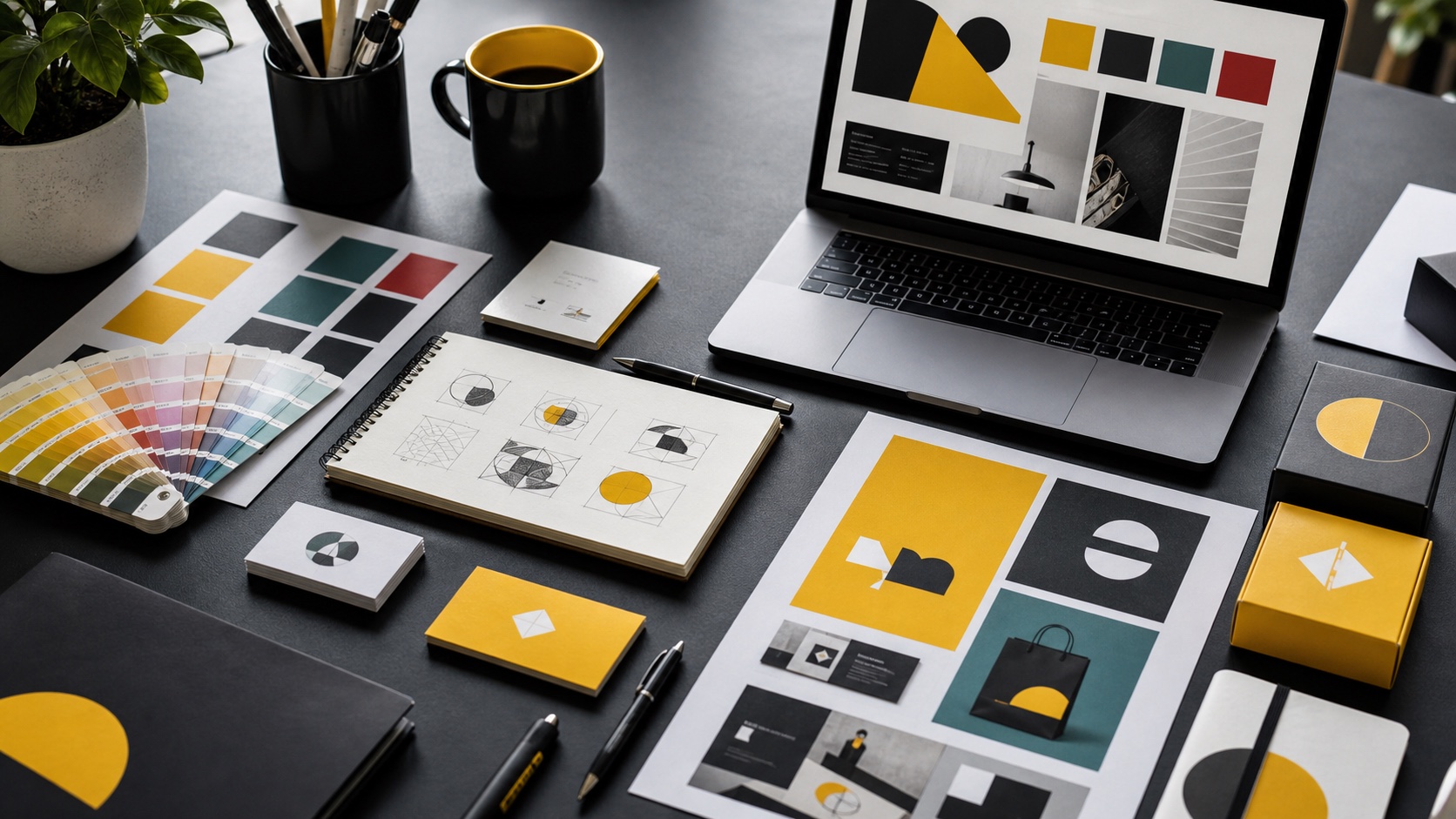
Branding for Horninghold businesses
For businesses in Horninghold, this page sits within Leicestershire and the wider East Midlands coverage directory in England. Nearby entries in the same county or council area include Blaston, Hallaton, Stockerston. The map below identifies the named area so you can check that you are viewing the right place.
If your business is based in Horninghold but serves a wider audience, include that wider coverage in your enquiry. We can discuss how to make the local connection clear while keeping the service explanation useful for customers beyond the settlement.
For the broader service coverage, see Branding in East Midlands and Branding in Leicestershire.
Review the impression you already create
A business may have a recognisable name while its website, proposals and social profiles tell different stories. We review those touchpoints to understand what should be retained and what needs clarification. The starting point is the existing perception and your next goal. A rebrand should solve an identifiable communication problem rather than replace familiar elements without a clear reason.
Give the message a practical hierarchy
The first line of a website, a proposal introduction and a social profile do not all have the same amount of space. We plan how the main promise, supporting detail and evidence fit those different contexts. That creates a message system your team can adapt. The goal is consistent meaning, rather than forcing an identical paragraph into every channel.
Choose colour and type with a purpose
Colour and typography influence both the impression of the business and the readability of its materials. We consider those choices alongside contrast, hierarchy and the content they will support. A striking combination is useful only if it remains practical across your channels. The final direction should explain how the elements work together so future materials can follow the same logic.
Connect the identity to the service pages
The website needs to explain the offer while expressing the brand. We consider how headings, supporting copy, images and calls to action work together on service pages. This is where a visual direction becomes a customer experience. A consistent identity should improve recognition without making the content harder to read or distracting from what a visitor needs to decide.
Use real materials to review the direction
A proposed identity is easier to assess when applied to something the business uses. We select relevant examples from the agreed scope and review whether the design supports the message in each one. This can reveal issues that are hidden in an isolated logo presentation. Feedback should address the agreed audience and purpose, not simply collect unrelated personal preferences.
Plan the change across your touchpoints
Updating an identity can affect a website, profiles, proposals, signatures and other customer-facing materials. We help identify the priority touchpoints and a sensible order for introducing the change. Existing recognition and available resources should influence that plan. A coordinated rollout makes the transition easier to understand and reduces the chance of different versions continuing in public without a clear reason.
Leave room for future services
The identity should support the business' s current offer and allow sensible development. We discuss likely changes so the system is not tied unnecessarily to one campaign or narrow service description. Future flexibility still needs limits: consistent rules help new material feel related. The aim is an identity that can be maintained, with a clear reason for any later expansion or adjustment.
Agree the reason for the change
Write down the problem the branding project needs to solve, such as unclear positioning or inconsistent materials. Identify which audiences matter most. That starting point gives later design reviews a purpose beyond personal preferences about colours or logos.
Organise the asset handover
Agree the file formats and versions your team and suppliers need. Label the assets clearly and keep approved artwork in an accessible location. A useful handover reduces confusion when someone needs the right logo, colour reference or document template.
Build a manageable asset library
Keep a clear set of approved identity files and reusable materials, with a named owner. Retire versions that are no longer suitable. An organised library makes the branding work easier to apply and reduces the likelihood of outdated artwork returning to use.
Prepare your branding brief
To start the discussion, share your current identity, customers, service offer, existing materials and the reason for the proposed change. Include the places your customers come from, the timeframe you have in mind and who will approve the work. We can then discuss a scope around positioning, visual direction, messaging and practical brand guidance that fits your priorities.
For related work in this area, explore Website design, SEO, Digital strategy.