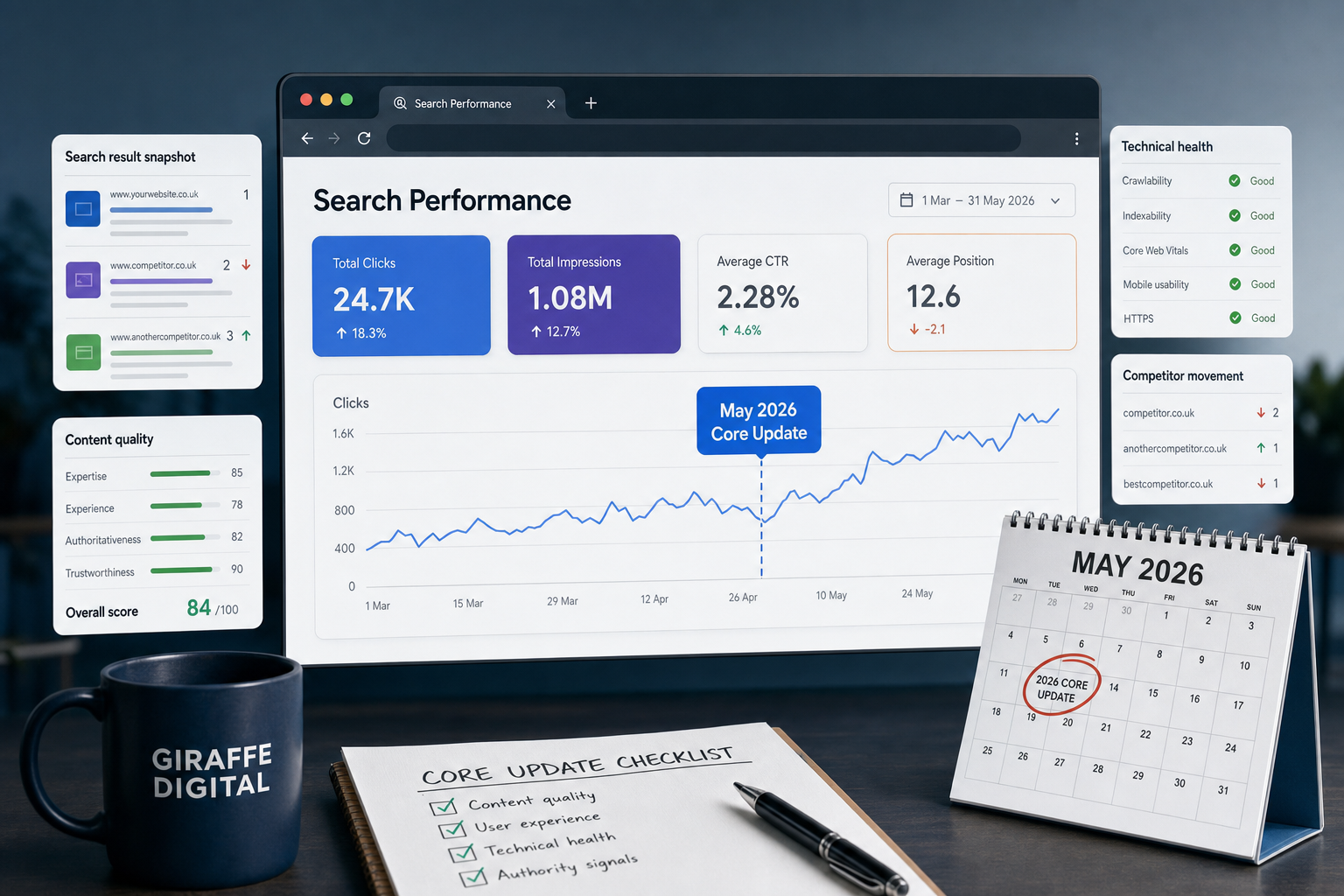
Content marketing has become one of the most effective ways for businesses to attract new customers, build trust, and improve their online visibility. Instead of relying solely on traditional advertising, content marketing focuses on creating useful, informative and engaging content that answers questions, solves problems and helps people make informed decisions.
Whether you run a local business, an online shop or a national company, producing valuable content can strengthen your reputation and encourage potential customers to choose your business over your competitors.
The best part is that good content continues working long after it has been published. A helpful article, guide or video can attract visitors from search engines for months or even years, making content marketing one of the most cost-effective digital marketing strategies available.
What Is Content Marketing
Content marketing is the process of creating and sharing useful information to attract and retain an audience.
Rather than directly selling a product or service, content marketing aims to educate, inform or entertain. By consistently providing value, businesses build trust with potential customers, making them more likely to choose their products or services when the time comes to buy.
Content marketing can include:
- Blog articles
- Videos
- Infographics
- Case studies
- Podcasts
- Email newsletters
- Social media posts
- Downloadable guides
- FAQs
- White papers
Every piece of content should have a purpose and provide genuine value to its audience.
Why Content Marketing Matters
Consumers are more informed than ever before.
Before making a purchase, many people research products, compare companies and look for expert advice online.
If your business provides useful content during that research process, you have an opportunity to build trust before a customer even contacts you.
Content marketing helps businesses:
- Increase website traffic
- Improve search engine rankings
- Generate qualified leads
- Build brand awareness
- Demonstrate expertise
- Support social media marketing
- Improve customer loyalty
- Encourage repeat business
Unlike paid advertising, quality content often continues attracting visitors long after publication.
Know Your Audience
Successful content starts with understanding who you are writing for.
Ask yourself:
- Who is my ideal customer?
- What problems do they face?
- What questions do they ask?
- What information would help them?
- What stage of the buying journey are they in?
For example, someone searching "What is website hosting?" needs educational information, while someone searching "Website hosting company near me" is much closer to making a purchase.
Creating content that matches user intent increases its value and improves its chances of ranking well in search engines.
Choose Topics Your Customers Are Searching For
One of the biggest mistakes businesses make is writing about what they want to say instead of what customers want to know.
A simple way to find ideas is to think about the questions customers ask every day.
Examples include:
- How much does a new website cost?
- How do I improve my website speed?
- What is SEO?
- Why does my website need SSL?
- How often should I update WordPress?
Every question is an opportunity to create valuable content.
Keyword research tools can also help identify popular search terms related to your industry.
Create Evergreen Content
Evergreen content remains useful long after publication.
Unlike news articles that quickly become outdated, evergreen articles continue attracting visitors over time.
Examples include:
- Beginner guides
- How-to articles
- Frequently asked questions
- Buying guides
- Best practice advice
- Industry explanations
Updating evergreen articles periodically helps keep them accurate and competitive.
Write for People First
Search engines have become increasingly effective at identifying genuinely useful content.
Rather than focusing on keywords alone, concentrate on producing articles that answer readers' questions clearly.
Good content should:
- Be easy to read
- Use plain language
- Answer the main question early
- Include examples
- Avoid unnecessary jargon
- Offer practical advice
When readers enjoy your content, they are more likely to stay on your website, explore additional pages and return in the future.
Structure Your Articles Properly
Well-organised articles are easier for both readers and search engines to understand.
A good structure typically includes:
- One H1 heading
- Clear H2 sections
- H3 headings where needed
- Short paragraphs
- Bullet points where appropriate
Breaking content into manageable sections makes long articles much easier to read.
Publish Regularly
Consistency is more important than volume.
Publishing one high-quality article each week is usually more effective than publishing several rushed articles that offer little value.
Creating a content calendar can help you plan topics around:
- Seasonal events
- Product launches
- Industry news
- Customer questions
- Company updates
Planning also makes content creation less stressful.
Repurpose Your Content
A single blog article can become multiple pieces of content.
For example:
- Turn key points into social media posts.
- Create an infographic.
- Record a short video.
- Include it in an email newsletter.
- Produce a downloadable guide.
Repurposing content saves time while increasing its reach.
Use Images to Improve Engagement
Visual content helps break up text and keeps readers engaged.
Consider including:
- Professional photography
- Diagrams
- Charts
- Screenshots
- Custom graphics
Optimise images before uploading them by reducing file size and adding descriptive alt text.
This improves both website performance and accessibility.
Tell Real Stories
People connect with experiences more than marketing messages.
Sharing real examples helps readers understand how your products or services solve problems.
Ideas include:
- Customer success stories
- Case studies
- Behind-the-scenes content
- Team introductions
- Project highlights
Authentic stories help businesses appear more approachable and trustworthy.
Optimise Content for SEO
Content marketing and Search Engine Optimisation work together.
Every article should include:
- A descriptive page title
- A compelling meta description
- Logical heading structure
- Internal links
- Relevant keywords used naturally
- Optimised images
Avoid forcing keywords into every paragraph.
Search engines understand context far better than they once did.
Promote Your Content
Publishing an article is only the beginning.
Share new content through:
- Email newsletters
- Industry forums
- Business groups
The more people who see your content, the greater its potential reach.
Measure Your Results
Monitoring performance helps you understand what works.
Useful metrics include:
- Website traffic
- Time spent on page
- Search rankings
- Social shares
- Backlinks
- Lead generation
- Conversion rates
Tools such as Google Analytics and Google Search Console provide valuable insights into how people discover and interact with your content.
Use this information to improve future articles.
Avoid Common Content Marketing Mistakes
Many businesses reduce the effectiveness of their content through avoidable errors.
These include:
Writing Only About Your Business
Customers care more about solving their problems than reading promotional material.
Focus on helping first.
Publishing Inconsistently
Long gaps between articles make it difficult to build momentum.
A regular publishing schedule produces better long-term results.
Ignoring Existing Content
Older articles should be reviewed periodically.
Updating statistics, improving formatting and adding new information can often improve rankings without writing something completely new.
Copying Other Websites
Original content performs far better than duplicated material.
Search engines reward businesses that provide unique value.
Build Authority Over Time
Rather than writing about random topics, focus on becoming an authority within your industry.
If you provide website design services, create articles covering:
- Website Design
- Web Development
- SEO
- Website Security
- User Experience
- Website Performance
- WordPress
- Digital Marketing
Over time, this creates a comprehensive resource that both visitors and search engines recognise as valuable.
Keep Learning
Digital marketing changes constantly.
Search engines evolve, customer expectations change, and new technologies emerge.
Successful content marketers regularly review performance, test new ideas and refine their strategy.
The willingness to improve often produces better results than trying to create the perfect article every time.
How Giraffe Digital Can Help
At Giraffe Digital, we believe content marketing should support every aspect of your online presence. A well-designed website deserves content that attracts visitors, answers their questions and encourages them to take the next step.
Our team creates websites with content strategy in mind, ensuring every page is structured for both your audience and search engines. Whether you need informative blog articles, website copy or a long-term content marketing plan, we help businesses produce content that builds trust and supports sustainable growth.
Final Thoughts
Content marketing is not about publishing as much as possible. It is about creating useful, relevant and engaging information that helps your audience.
By understanding your customers, answering their questions, s and consistently producing high-quality content, you can improve your search visibility, strengthen your reputation and generate more enquiries over time.
The businesses that succeed with content marketing are those that focus on providing genuine value. Every helpful article, guide or video becomes another opportunity for potential customers to discover your business and see your expertise in action.