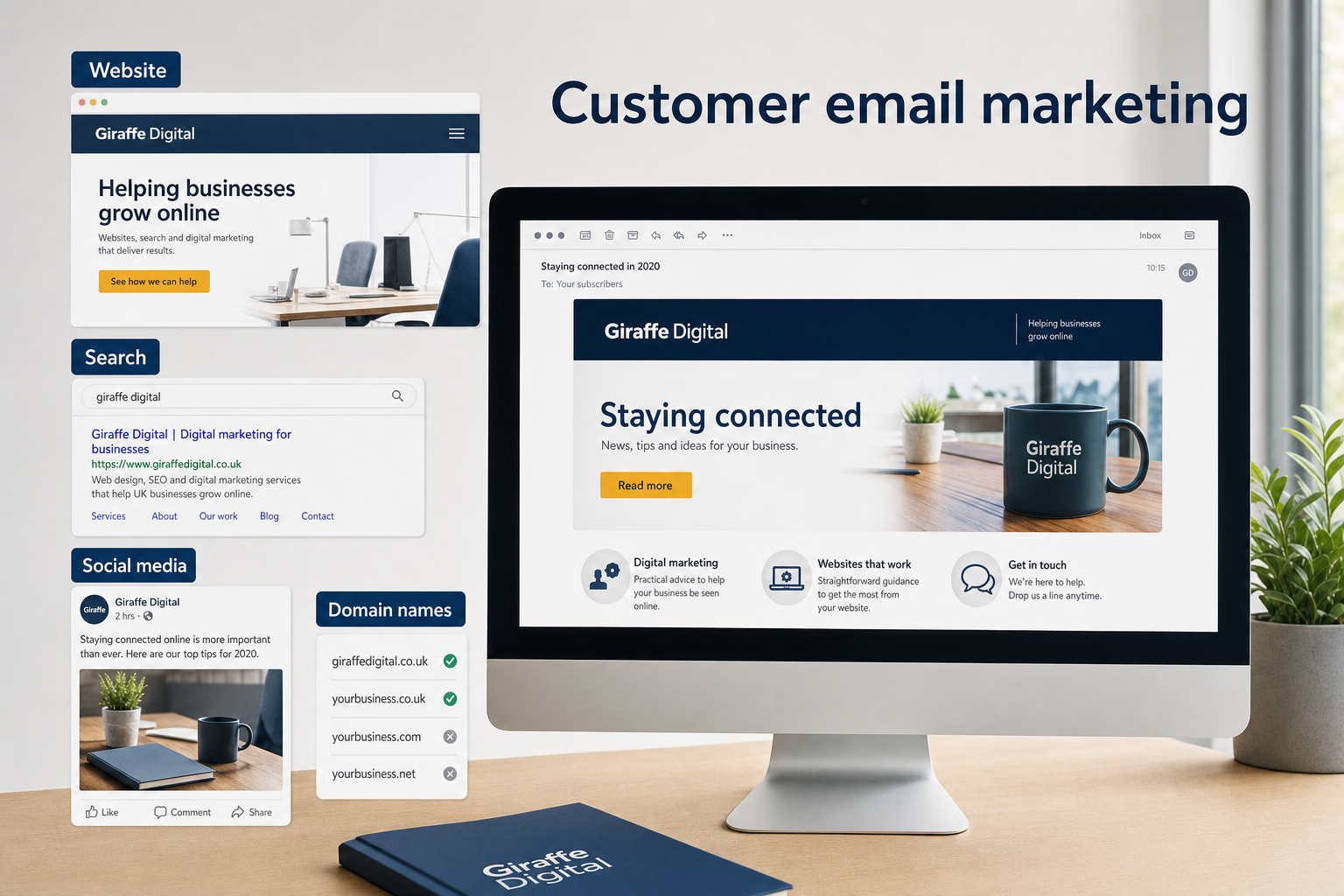
Customer email marketing remains one of the most practical ways for a business to stay connected with people who already know, like or need what it offers. A well-planned email does not rely on someone happening to see a social post at the right moment, nor does it require them to search again for a service they have already considered. It arrives directly in their inbox with a useful message, a clear next step and a familiar brand behind it.
For UK business owners investing in website design, SEO, branding or wider digital strategy, email is not a separate afterthought. It is part of the same customer journey. A visitor may find your website through search, read a service page, follow you on social media, download a guide, make an enquiry or buy from you. Email helps you keep that relationship warm, support the customer after their first interaction and encourage them to return when they are ready.
Why customer email marketing still matters
Businesses often focus heavily on finding new customers, and rightly so. Search visibility, social media activity and paid campaigns can all help introduce your brand to a wider audience. However, it is usually more efficient to communicate well with people who have already shown an interest. Customer email marketing gives you a structured way to do that without waiting for an algorithm, a search result or a passing advert to bring them back.
Email is also flexible. A local service business can use it to send appointment reminders, seasonal advice or maintenance tips. An online retailer can share product launches, stock updates or helpful guides. A professional services firm can send commentary, resources and invitations to book a consultation. A charity, membership organisation or community group can use email to keep supporters informed and involved.
The key is relevance. People do not sign up to receive constant sales messages. They sign up because they expect value: useful information, timely reminders, access to offers, event updates, practical advice or insight that helps them make better decisions. When a business respects that expectation, email becomes a relationship-building channel rather than a broadcast tool.
Email works best as part of a joined-up digital strategy
An effective email campaign should not stand alone. It should connect with your website, brand identity, social media and search marketing. If the email looks polished but the landing page feels dated, slow or confusing, the customer journey is weakened. If the tone of voice in your email does not match your website copy or social posts, the brand feels less consistent. If the call to action leads to a page that is not optimised for the topic, you may lose valuable enquiries.
Good website design has a direct impact on email performance. A clear layout, strong service pages, simple enquiry forms and fast-loading landing pages all help turn a click into a meaningful action. For example, an email promoting a free consultation should link to a focused page explaining who the consultation is for, what the customer can expect and how to book. An email announcing a new product range should link to a relevant category page, not just the homepage.
SEO also supports customer email marketing. Search data can show which questions people are asking, which services attract attention and which topics deserve more explanation. Those insights can then shape email content. If your website receives regular visits to a guide about choosing the right website platform, that subject may also be suitable for an email series. If a service page ranks well but visitors need more reassurance, an email could share FAQs, case-study-style explanations based on genuine experience, or guidance on the buying process.
Social media has a complementary role. Platforms such as Facebook, Instagram, LinkedIn and Twitter are useful for visibility, conversation and community building, but organic reach can vary. Email gives you a more direct route to people who have actively chosen to hear from you. In return, email can drive subscribers back to social channels for updates, discussions, reviews and shared content.
Build a list with permission and purpose
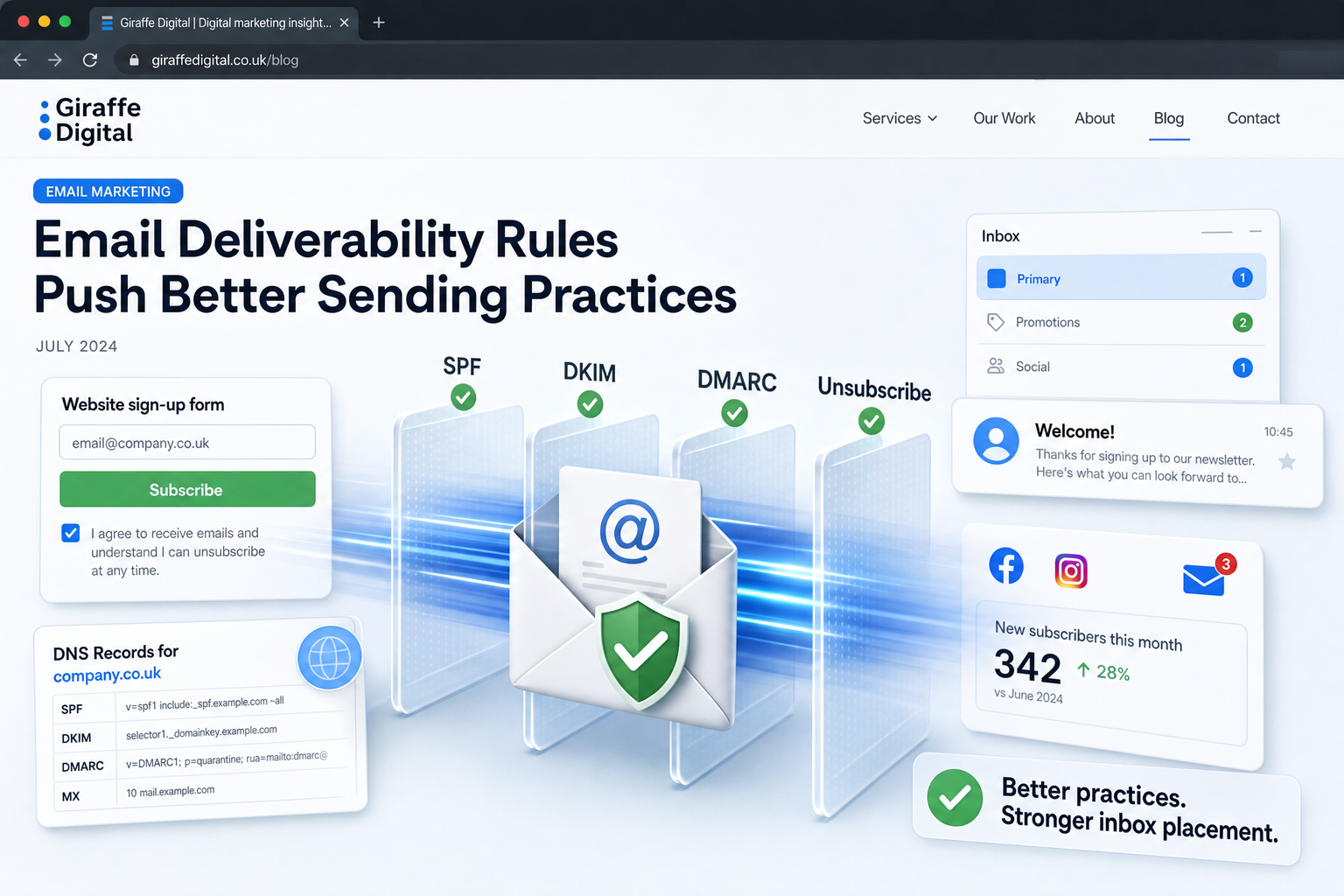
A strong email list is built on permission. In the UK, businesses need to consider the General Data Protection Regulation and the Privacy and Electronic Communications Regulations when collecting and using email addresses. In simple terms, people should understand what they are signing up for, how their details will be used and how they can unsubscribe. Consent records, clear privacy information and sensible list management are all important.
It is better to have a smaller list of engaged subscribers than a large list of people who did not expect to hear from you. Buying lists or adding contacts without a clear basis can damage trust, increase complaints and create compliance problems. A healthy list grows through relevant opportunities across your website and customer touchpoints.
Useful list-building methods include adding a sign-up form to your website footer, offering a downloadable guide, inviting customers to receive aftercare tips, including an opt-in during an enquiry process, promoting a newsletter on social media and encouraging event attendees or webinar registrants to subscribe. The wording should be specific. Rather than simply saying sign up for updates, explain what kind of updates subscribers will receive and why those emails will be useful.
Your domain name and email-sending identity also matter. A professional domain helps customers recognise your business and trust that an email is genuinely from you. When choosing and registering a domain, keep it clear, memorable, easy to spell and closely aligned with your brand. Avoid confusing hyphens, awkward abbreviations and names that are too similar to another organisation. Register domains through a reputable domain registration provider, keep ownership details under your control and renew important domains on time. For marketing emails, use a branded email address that matches your domain rather than a personal or generic address where possible.
Plan emails around customer needs
The best email campaigns begin with a simple question: what does the customer need to know next? A person who has just subscribed may need an introduction to your business. A previous customer may value maintenance advice, reorder reminders or helpful updates. A long-term contact may appreciate deeper insight, exclusive previews or invitations to engage with your team.
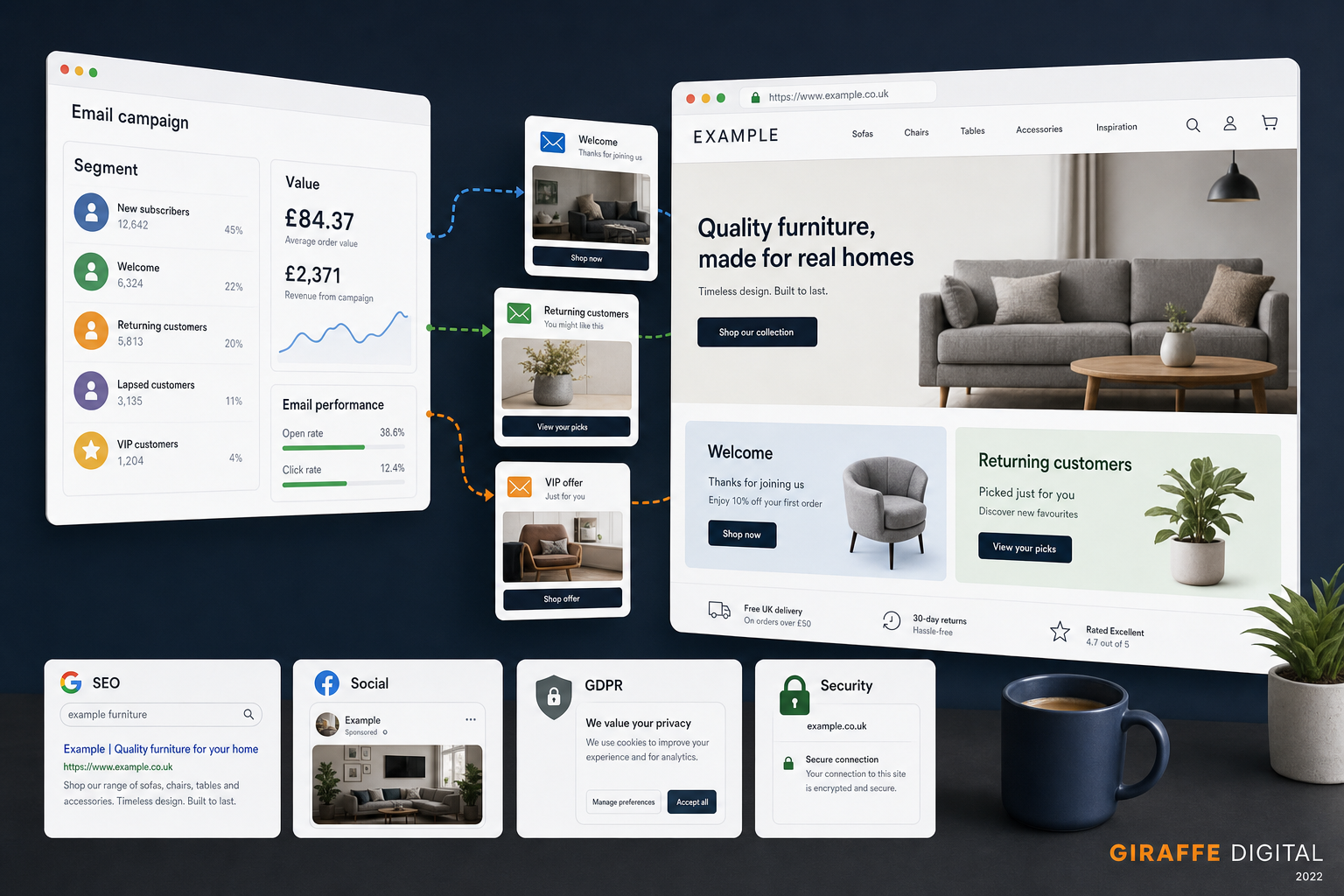
Segmentation makes customer email marketing more relevant. You do not need to create complicated systems from the start. Even basic segments can make a difference, such as customers and prospects, local and national contacts, product interests, service categories, recent enquiries, previous purchasers or event attendees. By sending more appropriate messages to each group, you reduce the risk of overwhelming people with information that does not apply to them.
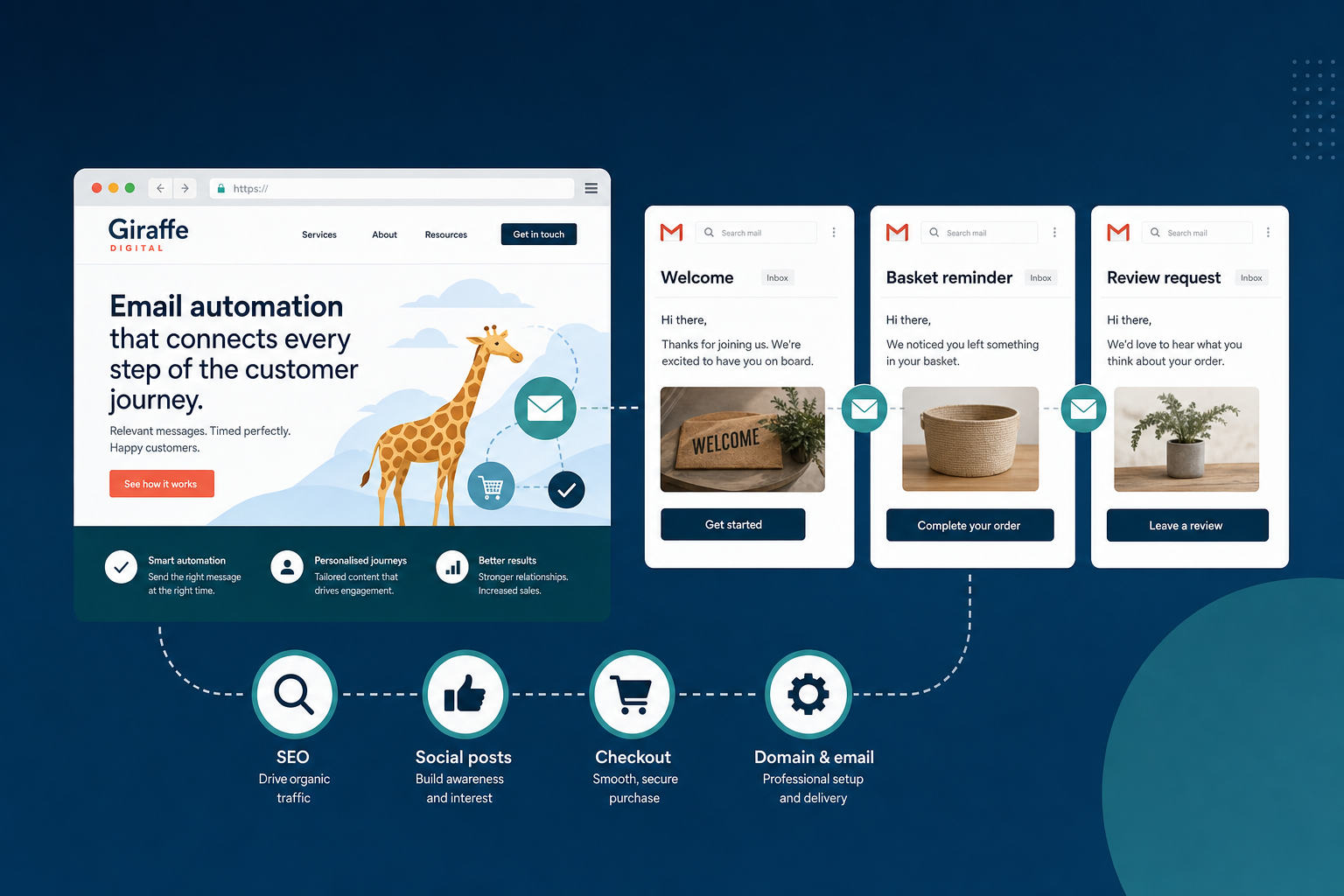
A simple welcome sequence is often a good starting point. The first email can thank the subscriber, explain what to expect and point them towards useful website content. A second email might introduce your main services or product categories. A third could answer common questions, explain your process or invite the reader to get in touch. This kind of sequence supports the customer without relying on a hard sell.
For regular newsletters, consistency is more important than frequency. Some businesses can send a weekly email with genuine value. Others are better suited to a monthly update or occasional campaign. It is better to send one useful, well-written email each month than frequent messages with little substance.
Write emails people want to open and read
Strong email copy is clear, concise and focused. The subject line should set an honest expectation. It should not exaggerate, mislead or rely on gimmicks. The opening paragraph should quickly explain why the message matters. The body should be easy to scan, with short paragraphs and one primary call to action.
Good examples include a garden centre sending seasonal planting advice with a link to related products, a solicitor explaining a common legal process in plain English with a link to a detailed guide, or a web design agency sharing a checklist for improving enquiry forms. In each case, the email offers something useful before asking the reader to take action.
Design matters too. An email should reflect your brand, but it should not be so image-heavy that the message is lost. Many people read emails on mobile devices, so responsive layouts, readable text, clear buttons and sensible image sizes are important. Always test how an email appears on different devices and in common email clients before sending a campaign.
Accessibility is also worth considering. Use plain language, clear contrast, meaningful link text and descriptive alternative text for images. Avoid placing important information only inside an image, as some recipients may not see it. A well-designed email should be easy to understand even if images are blocked.
Use email to support sales without pushing too hard
Email can generate enquiries and sales, but it works best when it supports a decision rather than pressures one. Many customers need time to compare options, understand the value and feel confident in the business they choose. Helpful emails can answer questions, remove doubts and make the next step clearer.
For service-based businesses, useful email topics might include how to prepare for a consultation, what to consider before commissioning a new website, how long a branding project might take, or what information is needed for an SEO review. For retailers, topics might include care guides, buying advice, product comparisons or seasonal recommendations. For business-to-business organisations, email can share insight, industry commentary, process explanations and invitations to speak with an adviser.
Calls to action should be specific and easy to follow. Instead of using vague wording such as click here, use phrases such as book a discovery call, read the website checklist, view the new collection or request advice. The destination page should continue the same message so the reader feels they are in the right place.
Measure what matters
Email marketing provides useful data, but it is important to interpret it carefully. Open rates can indicate whether subject lines and timing are working, although they do not tell the whole story. Click-through rates show whether the content and calls to action are compelling. Unsubscribes and spam complaints can reveal whether the frequency, relevance or expectations need attention.
Website analytics are just as important. Look at what email visitors do after they click. Do they read the page, complete a form, make a purchase, download a resource or leave quickly? If lots of subscribers click through but few take action, the issue may be with the landing page, offer, message match or user experience rather than the email itself.
Testing can improve results over time. You might compare two subject lines, try different sending times, refine a call to action or test a shorter email against a more detailed one. Keep tests simple and focus on learning one thing at a time. The aim is steady improvement, not constant tinkering.
Keep the relationship alive
Customer email marketing is valuable because it helps businesses remain present, useful and trusted between transactions. Not every subscriber is ready to buy immediately. Some may be researching, budgeting or waiting for the right moment. Regular, helpful communication means your business is more likely to be remembered when that moment arrives.
It also helps strengthen brand loyalty. Customers who receive useful aftercare, reminders and relevant updates are more likely to return and recommend you. They are also more likely to understand the full range of what you offer. A customer who first came to you for website design, for example, may not realise you can also help with SEO, digital strategy, branding or social media marketing unless you communicate that clearly over time.
The most effective approach is to treat email as a service to your audience. Send messages with a purpose. Respect permission. Keep design clean and accessible. Link to helpful website content. Use data to improve. When email is planned in this way, it becomes a dependable part of a business’s digital marketing mix and a practical route to stronger customer relationships.