When people look for a local business, they often begin with a search engine, an online directory, a map application or a social network. Whether they are searching for a plumber in Portsmouth, a café near the station, a solicitor in Southampton or a designer in Hampshire, the information they find needs to be accurate, consistent and useful. For many UK businesses, business listings are one of the simplest ways to improve visibility in local search and make it easier for customers to get in touch.
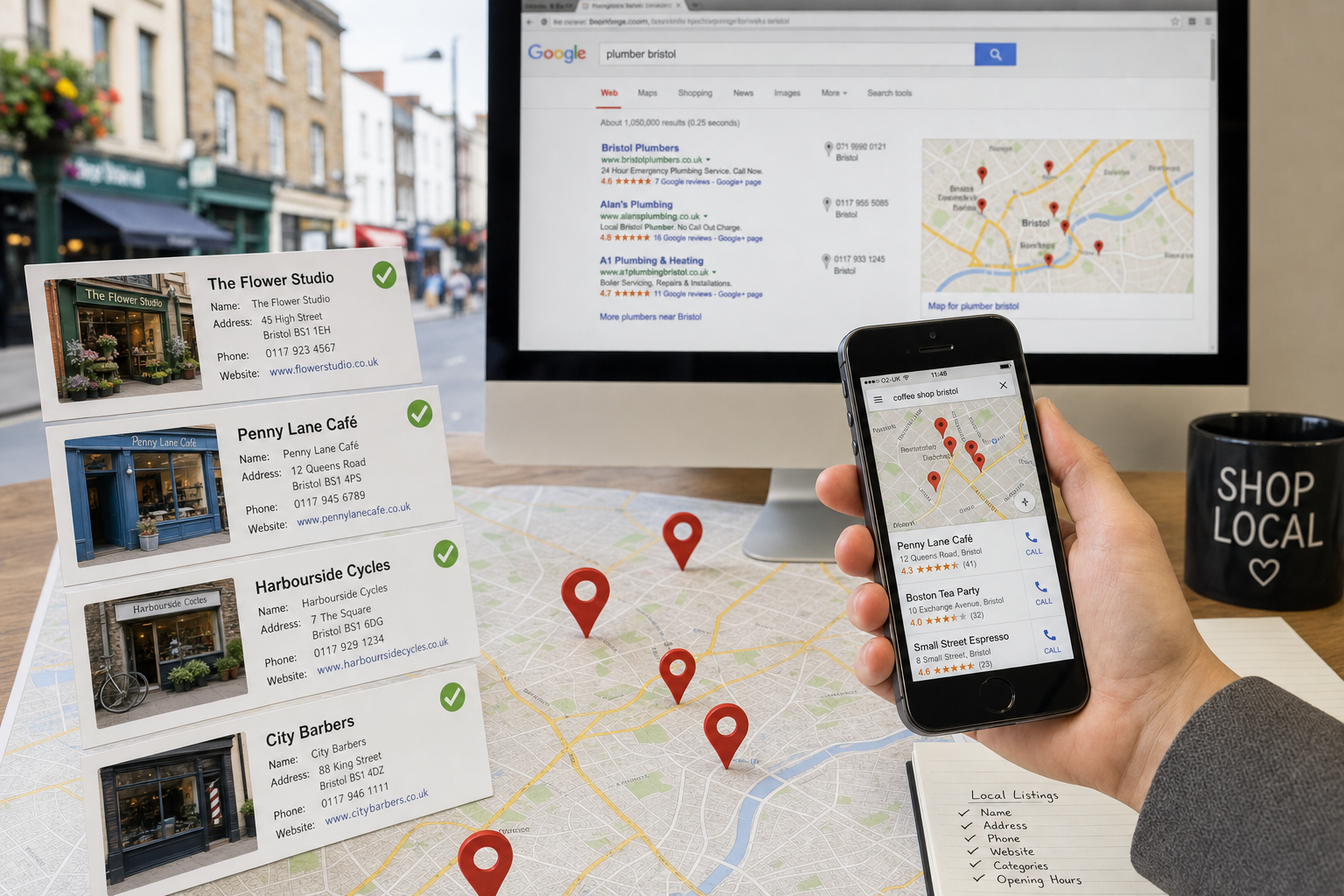
A business listing is any online profile or directory entry that contains your company name, address, telephone number, website address and other useful details. It may appear in a search engine’s local results, on a directory website, a review platform, a mapping service or a social media profile. These listings help search engines understand where your business is based and what it offers, while also giving potential customers the confidence to call, visit or enquire.
Why business listings matter for local search
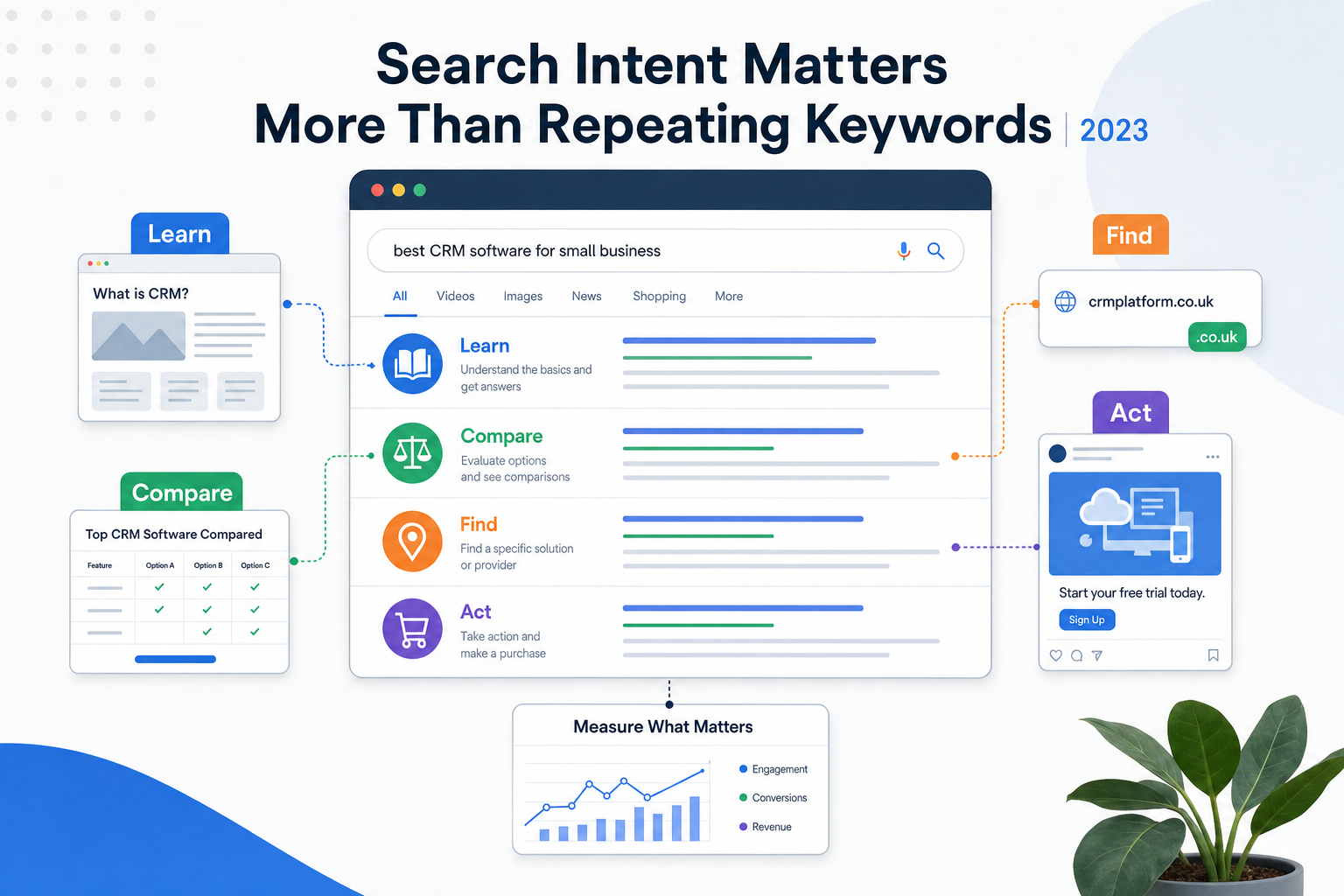
Local search is valuable because it captures people at the point of need. Someone searching for “ accountant near me”, “ wedding photographer Winchester” or “ emergency electrician Portsmouth” is not merely browsing. They are often comparing options, checking opening hours or deciding who to call first. If your listing is complete and accurate, you have a far better chance of being considered.
Search engines use a range of signals to decide which local businesses to show. Your website, the wording on your pages, inbound links, customer reviews and social activity can all play a part. However, the consistency of your business details across the web is also important. If your company name, address and phone number appear in the same format across trusted websites, it supports the idea that your business is genuine and located where it says it is.
For customers, accurate business listings reduce friction. A person should not have to wonder whether you are still at the address shown, whether your phone number has changed or whether your opening hours are reliable. A confused customer may simply choose a competitor whose details are clearer.
The core details every listing should include
The most important information in any listing is often referred to as NAP: name, address and phone number. Although it sounds basic, many businesses have small inconsistencies across the web. For example, one directory might list “ High Street”, another might show “ High St”, and an old entry might still contain a previous telephone number. These variations can create uncertainty for both search engines and customers.
At a minimum, each business listing should include:
- Business name: Use the real trading name that appears on your website, signage and marketing material.
- Postal address: Include the full UK address, with postcode, formatted consistently.
- Telephone number: Use the main number you want customers to call. A local number can be reassuring for local customers.
- Website address: Link to the most relevant page, usually your home page or a location-specific landing page.
- Opening hours: Keep these updated, especially for bank holidays or seasonal changes.
- Business category: Choose the most accurate category rather than the broadest one.
- Description: Write a clear summary of what you do, where you work and who you help.
- Images: Add suitable photographs of your premises, team, products or completed work where appropriate.
It is also worth checking whether your listings include an email address, service areas, payment methods, parking information or appointment requirements. The aim is not to overload the customer, but to answer the most common questions before they need to ask.
Where UK businesses should check their listings
There are several places where a UK business may appear online. Some listings are created by the business owner, while others may be pulled from data suppliers, directories or public information. This means your company may already be listed somewhere, even if you have never submitted the details yourself.
Important places to review include search engine local products, mapping platforms, online directories, review websites and social media profiles. Google’s local products, Bing Places, Yahoo local results, Apple Maps, Yell, Thomson Local, 192.com, Yelp, FreeIndex, Scoot and industry-specific directories can all be relevant, depending on your sector. Hospitality businesses may also need to pay close attention to travel and review websites, while trades, professional services and retailers may have specialist directories of their own.
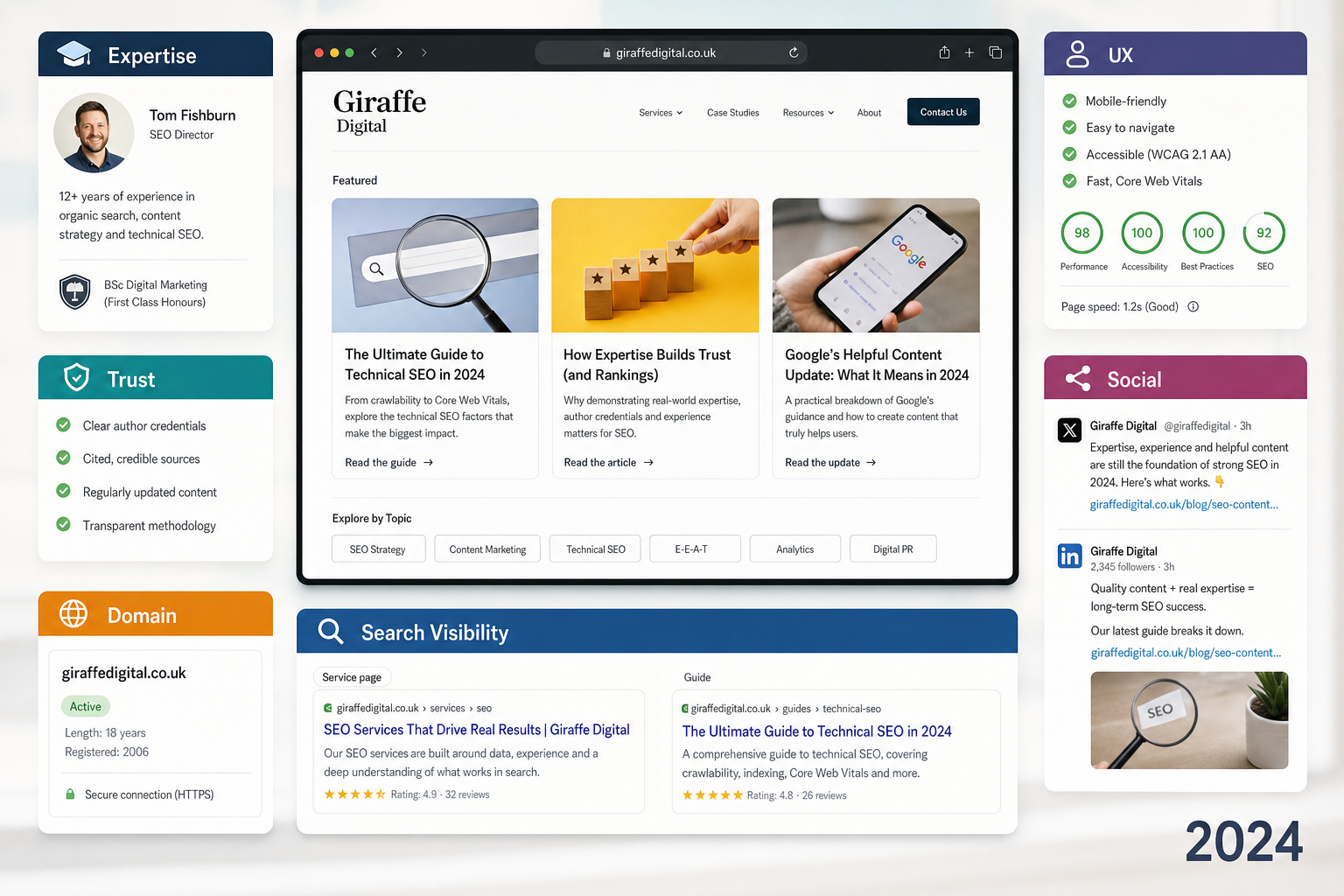
Social media profiles should not be overlooked. A Facebook Page, Google+ page, Twitter profile or LinkedIn company page may appear in search results when someone looks up your company name. If those pages show old details or inconsistent branding, they can undermine trust. Even if social media is not your main source of enquiries, the information there should match your wider online presence.
Consistency builds trust with search engines and customers
One of the most common local search problems is inconsistent information. A business may move premises, change its telephone number, rebrand, merge with another organisation or launch a new website. If old listings remain unchanged, the web can quickly become cluttered with conflicting details.
For example, imagine a dental practice moves from one road to another but only updates its website. A potential patient might find the old address in a directory, enter it into a map application and arrive at the wrong location. Even if they eventually find the correct address, the experience creates frustration and may damage their perception of the practice.
Consistency is not only about preventing mistakes. It also strengthens your overall digital presence. When the same details are repeated across credible sources, search engines have more confidence in your location and identity. That confidence can support your chances of appearing for relevant local searches, particularly when combined with a well-structured website and useful content.
How business listings support your website
Your website remains the centre of your online marketing. A listing can help someone find your business, but your website should persuade them that you are the right choice. This is where website design, content and usability become important.
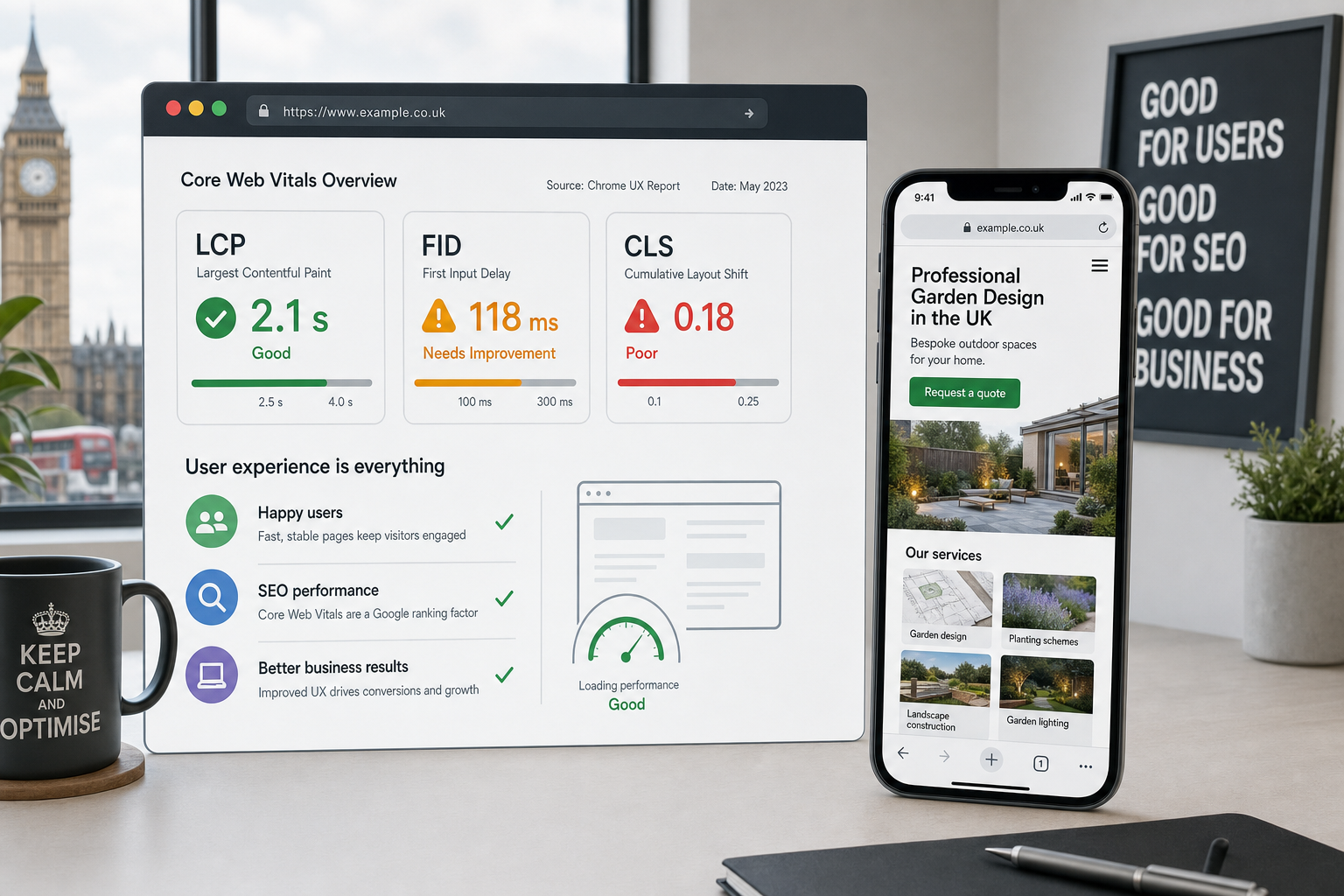
If a person clicks from a directory or map listing to your website, they should land on a site that loads reliably, looks professional and is easy to use. Clear navigation, readable text, strong calls to action and a visible phone number all help turn visitors into enquiries. With more people using smartphones and tablets to search locally, your site should also work well on smaller screens. Responsive website design is increasingly important because customers may be standing in the street, sitting in a car or travelling on a train when they look you up.
Location information should be easy to find on your website. A contact page should include your full address, phone number, opening hours, an enquiry form and, where helpful, an embedded map. If you serve several towns or areas, consider creating useful pages that explain your services in those locations. These pages should be written for people first, not stuffed with repeated place names.
Good website content also helps reinforce your listing data. Your business name, address and phone number should appear consistently on your contact page and, if appropriate, in the footer of your site. If your business has multiple branches, give each branch its own clear contact information rather than placing every location into one confusing block of text.
Reviews, reputation and customer confidence
Many local listings allow customers to leave reviews. These reviews can influence whether someone calls you, visits your premises or continues comparing alternatives. A listing with accurate information and genuine positive feedback can be a powerful trust signal.
Business owners should encourage satisfied customers to leave honest reviews where appropriate, but this should be handled carefully. Do not offer misleading incentives, write reviews on behalf of customers or pressure people into leaving feedback. A natural pattern of reviews over time is far more credible than a sudden burst of suspicious comments.
It is also sensible to monitor reviews and respond professionally where the platform allows it. A calm, polite response to criticism can show that you take customer service seriously. Even if a review feels unfair, avoid arguments. Future customers will judge not only the complaint, but also the way your business handles it.
Business listings and social media marketing
Business listings and social media marketing work best when they support each other. Listings help people find accurate facts about your business, while social media can show personality, activity and customer engagement. Together, they make your business easier to find and easier to trust.
For example, a local restaurant might use its listings to show the correct address, phone number, opening hours and website. Its social media profiles might then share menu updates, photographs, events and customer comments. A professional services firm might use listings to clarify its location and specialisms, while using social media to share articles, company news and helpful advice.
The important point is to keep your details aligned. If your Twitter biography links to an old website, your Facebook Page shows outdated opening hours and your directory listings use different phone numbers, your marketing becomes fragmented. A simple quarterly check can prevent many of these issues.
Domain names, branding and local credibility
Your domain name is another part of the trust picture. A clear, memorable domain makes it easier for customers to recognise your business and return to your website. When choosing a domain, consider how it will look on printed material, business cards, vehicle graphics, email addresses and directory listings.
For UK businesses, a relevant UK domain can help communicate location and credibility, particularly if most of your customers are based in the United Kingdom. Keep the domain as short and clear as possible, avoid awkward spellings, and make sure it is not easily confused with another organisation. If your business name is long, think carefully before using a complicated abbreviation that customers may not remember.
It is wise to register your domain in the business owner’s name or the company’s name, with current contact details and secure account access. Keep renewal reminders active and maintain a record of who manages the domain. Losing control of a domain can disrupt your website, email and wider marketing, so it should be treated as a core business asset.
A methodical process for improving your listings
Improving business listings does not need to be complicated, but it does require organised work. Start by creating a master document containing the exact details you want to use everywhere. Include your approved business name, address, phone number, website, email address, opening hours, short description, long description and preferred categories.
Next, search for your business name, old trading names, old telephone numbers and previous addresses. Make a list of the listings you find, noting which are correct, which are incomplete and which are wrong. Claim or verify listings where the platform allows it, then update each entry using your master document.
After that, identify any important directories or platforms where your business is missing. Submit your details carefully and keep a record of logins, submission dates and changes made. Some directories review submissions before publishing, so updates may not appear immediately.
Finally, set a reminder to review your listings regularly. This is especially important if you change premises, alter your opening hours, launch a new website, introduce a new phone system or rebrand. Local search is not a one-off task; it is part of maintaining a healthy digital presence.
Common mistakes to avoid
Several listing mistakes appear again and again. The first is using different business names for marketing reasons. Adding extra keywords to your business name may seem tempting, but it can look unprofessional and may conflict with platform guidelines. Use your real name and explain your services in the description instead.
The second mistake is sending every visitor to the home page when a more relevant page exists. If you have a dedicated branch page, booking page or service page, it may be more useful for certain listings. However, make sure the page is well maintained and contains clear contact details.
The third mistake is neglecting old data. If you have moved, changed numbers or redesigned your website, search for the old information and correct it where possible. Customers often find outdated listings through search engines long after a business has forgotten about them.
The fourth mistake is treating listings as separate from the rest of your marketing. Your listings, website, social profiles, printed material and advertising should all tell the same story. Consistent branding and contact details make every marketing channel work harder.
Turning accurate listings into real business value
The value of accurate business listings is not limited to search rankings. They help customers find you, call you, visit you and recommend you. They reduce wasted enquiries, prevent confusion and support a more professional brand image. For many local businesses, those practical benefits are just as important as visibility.
Accurate listings also make other marketing activity more effective. If you invest in website design, search engine optimisation, social media marketing or printed promotion, you do not want potential customers to be put off by inconsistent information elsewhere online. A strong digital strategy depends on reliable foundations, and business listings are one of those foundations.
For UK business owners, the best approach is simple: decide on the correct details, keep them consistent, support them with a professional website and review them regularly. Local search will continue to evolve, but customers will always need clear, trustworthy information. Businesses that provide it make the path from search to enquiry much easier.