Email remains one of the most dependable digital marketing channels for businesses, but sending the same message to every contact is rarely the best approach. A customer who has just made an enquiry, a long-standing buyer, a local trade contact and a casual newsletter subscriber do not all need the same email. Email segmentation is the practice of dividing your mailing list into useful groups so that each person receives information that is more relevant to them, their needs and their stage in the buying process.
For UK business owners investing in website design, search marketing, branding or a wider digital strategy, segmentation can make email work much harder. It helps you speak to the right people at the right time, improves the quality of traffic arriving on your website and supports stronger relationships with customers and prospects. Rather than treating your mailing list as a single audience, segmentation gives you a practical way to turn it into a more intelligent business asset.
Why email segmentation matters
Many businesses build an email list over time through enquiries, purchases, events, downloads, networking and newsletter sign-ups. The problem is that these contacts often have very different levels of awareness and intent. Some may be ready to buy; others may simply be researching options. Some might be interested in a particular service, while others only want occasional company news. If every contact receives the same campaign, the message is likely to be too general to be truly persuasive.
Email segmentation helps solve this by making campaigns more specific. A segmented list allows you to tailor the subject line, content, offer, landing page and call to action to the interests of each group. This can lead to better open rates, stronger click-through rates and more meaningful website visits. It can also reduce unsubscribes, because subscribers are less likely to feel that your emails are irrelevant.
Segmentation is not only useful for large retailers or national organisations. A local professional services firm might segment by service interest, such as accountancy, payroll or business advice. A building supplier might segment by trade, public sector and retail customer. A holiday company might segment by destination interest or family status. Even a modest list can benefit from a simple structure.
The commercial value lies in relevance. When a subscriber recognises that an email reflects their situation, they are more likely to read it, click through and take the next step. This is why email segmentation should be seen as part of a broader digital strategy, not merely an administrative task within an email platform.
Useful ways to segment your email list
There is no single correct way to segment a list. The best approach depends on your business model, sales cycle, website content and customer data. The key is to start with practical segments that you can maintain and use consistently.
Segment by customer type
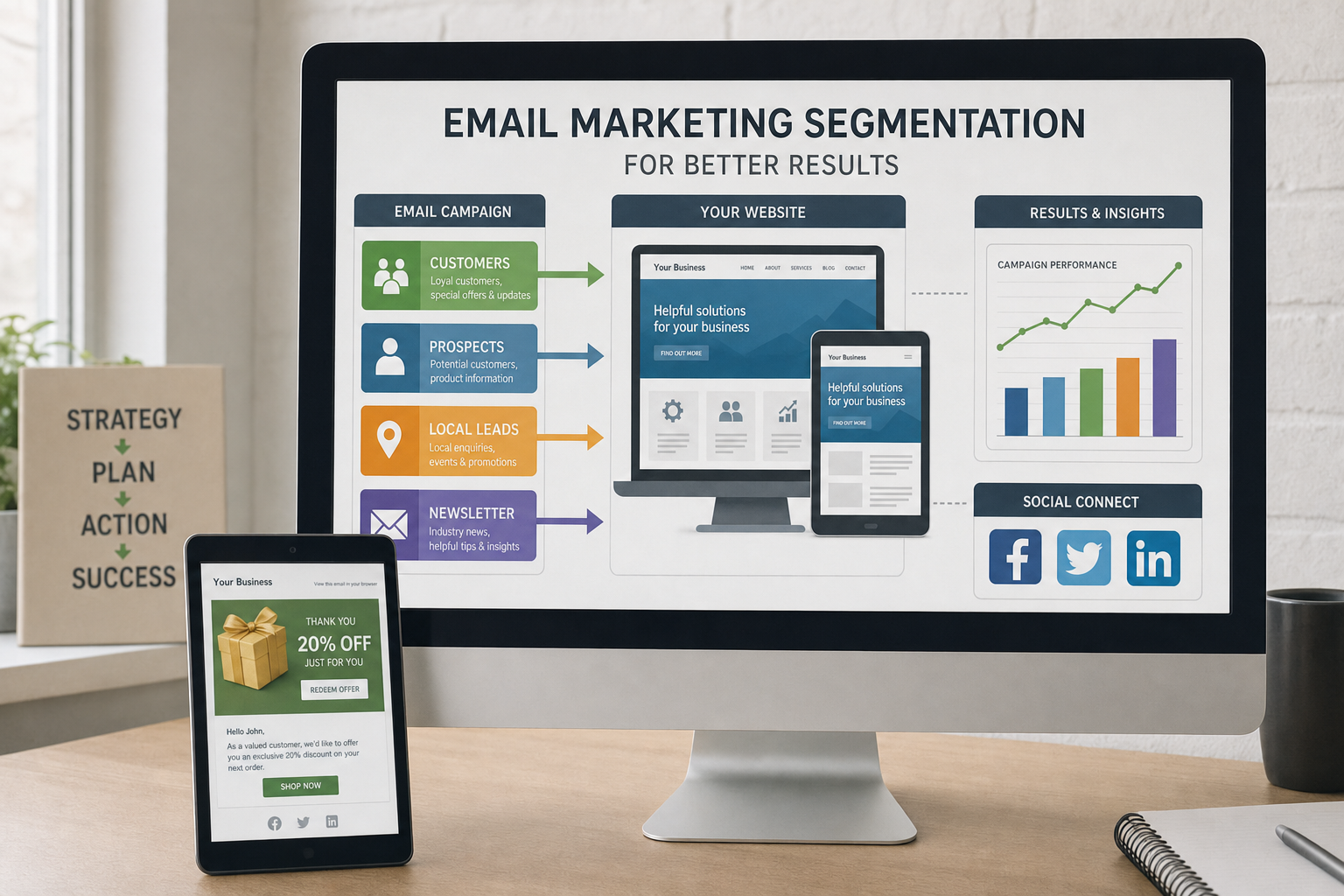
One of the simplest methods is to separate customers, prospects, suppliers, partners and general newsletter subscribers. Existing customers may need product updates, helpful tips, aftercare information or renewal reminders. Prospects may need case studies, introductory guides and reasons to trust your business. Partners and suppliers may need company news rather than sales-led messages.
This basic distinction stops you from sending introductory messages to people who already know you, or highly detailed customer communications to people who are not yet ready for them. It also helps you plan content with a clearer purpose.
Segment by interest or service area
If your business offers several services, interest-based segmentation can be highly effective. A digital agency, for example, might separate contacts interested in website design, search engine optimisation, branding, social media marketing or hosting support. A training provider might segment by course category. A manufacturer might segment by product range.
Interest data can come from sign-up forms, enquiry forms, downloads, previous purchases or links clicked in earlier campaigns. If someone repeatedly clicks on articles about SEO, it is sensible to send them more search-related content rather than general company updates.
Segment by stage in the buying journey
Not every contact is ready to make an enquiry immediately. Some subscribers are still learning about a problem, while others are comparing suppliers. By segmenting contacts by their stage in the buying journey, you can support them with suitable content.
- Early-stage contacts may appreciate helpful guides, checklists and educational blog posts.
- Mid-stage contacts may respond to service comparisons, examples of your approach and explanations of your process.
- Late-stage contacts may need clear calls to action, consultation prompts, demonstrations or direct enquiry options.
This approach works particularly well when email is connected to your website content. A useful blog post can attract search visitors, encourage newsletter sign-ups and then support future email campaigns.
Segment by location
For many UK businesses, geography still matters. A company serving several towns, counties or regions may want to tailor messages by location. This can be useful for events, regional offers, local service pages, delivery information or sales team coverage.
Local segmentation can also support search marketing. If your website includes well-written pages for key service areas, email campaigns can direct relevant regional contacts to the most appropriate page. This improves the user experience and gives recipients a clearer route to action.
Segment by engagement
Engagement-based segmentation looks at how contacts interact with your emails. Active subscribers who open and click regularly can be sent more frequent updates, while inactive subscribers may need a re-engagement campaign or a quieter mailing schedule.
This can help protect the overall quality of your list. Continually sending emails to people who never open them can weaken campaign performance and may create a poor impression of your brand. A measured approach to inactive subscribers is often better than simply increasing volume.
How your website should support segmentation
Email segmentation works best when your website is designed to collect useful information and direct visitors to relevant content. A good website is not just a brochure; it should support marketing, lead generation and customer service. If your sign-up forms, landing pages and content structure are too vague, your email data will be limited from the start.
Begin by reviewing your forms. A newsletter sign-up form that only asks for an email address may be quick to complete, but it gives you little information to work with. Adding one or two carefully chosen fields can make segmentation far easier. For example, you might ask subscribers to select their main area of interest, business type or location. The important point is to keep the form simple. Asking for too much information can reduce sign-ups, particularly on mobile devices.
Landing pages are equally important. If you run an email campaign about a specific service, the link should take people to a page that continues the same message. Sending everyone to the home page creates unnecessary work for the visitor and makes it harder to measure interest. A clear landing page with a matching headline, useful copy and a strong enquiry route will usually perform better.
Responsive website design should also be considered. A growing number of people read emails on smartphones and tablets, so the page they click through to must be easy to read and use on smaller screens. If your email looks good but the website is difficult to navigate on mobile, the campaign may lose momentum. Since search engines are also paying close attention to mobile friendliness, a responsive website supports both email marketing and SEO.
Analytics should be part of the process. By tagging links in your campaigns and reviewing website reports, you can see which segments visit particular pages, how long they stay and whether they complete enquiries. This information can guide future campaigns, content planning and website improvements.
Connecting email segmentation with social media and SEO
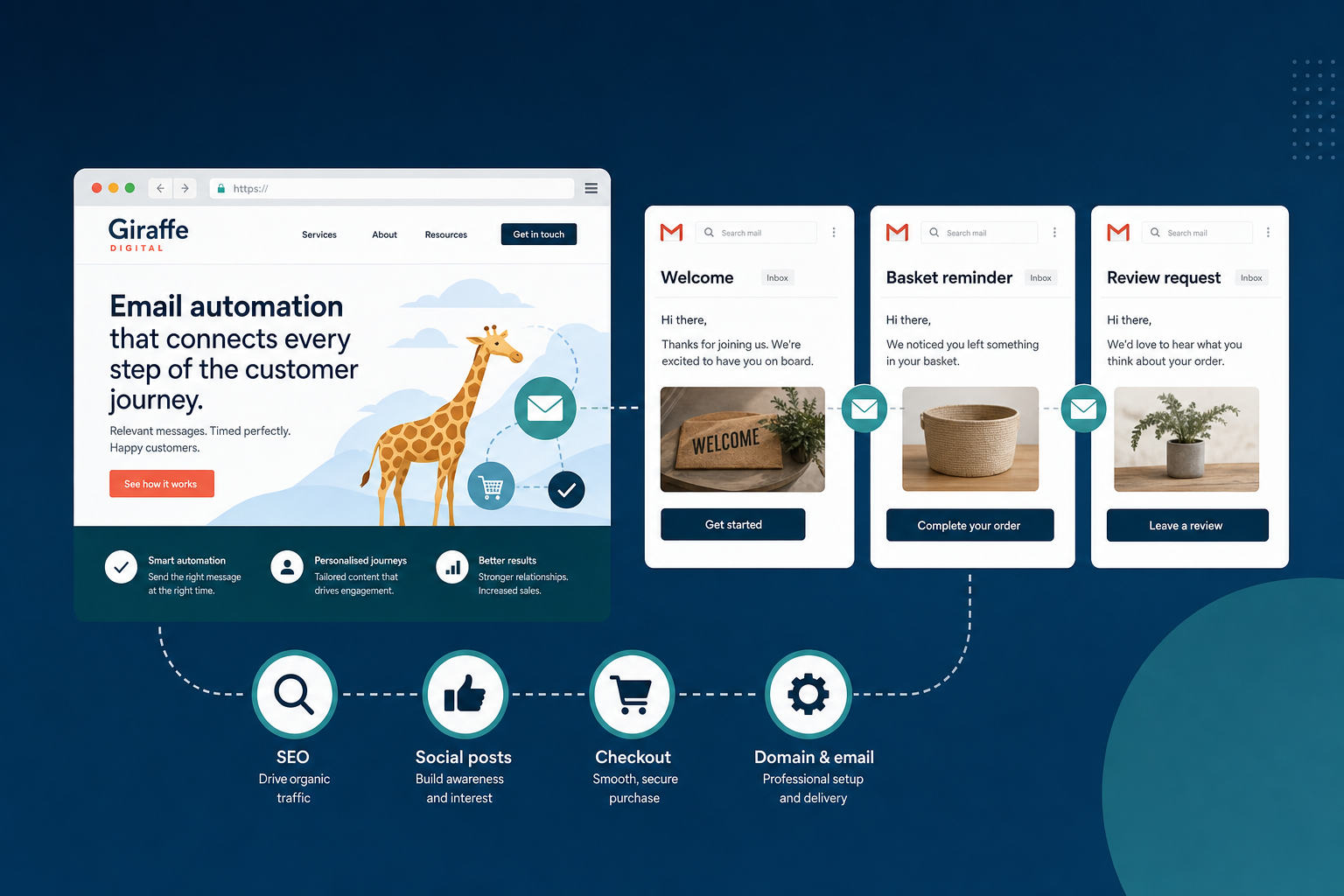
Email marketing should not sit in isolation. The strongest digital strategies connect email, social media, search marketing and website content so that each channel supports the others. Segmentation helps make these connections more deliberate.
Social media can provide useful signals about audience interests. If posts about a particular topic perform well on Facebook, Twitter or LinkedIn, that subject may also work well for an email segment. Conversely, an email campaign that performs strongly can be repurposed into social posts, blog articles or short guides. This creates a consistent message across channels without simply copying the same wording everywhere.
Email can also support SEO by bringing engaged visitors to your website content. While email clicks are not a substitute for search visibility, they can increase the value of the content you have already created. For example, if you publish a guide to choosing a new business website, you can send it to contacts interested in website design. If those visitors spend time reading the article and then explore related pages, the content is doing useful work beyond its initial publication.
Segmentation can also reveal gaps in your website content. If you have a large group of contacts interested in a service but only one short page on the subject, that may be a sign that your website needs stronger supporting content. Blog posts, frequently asked questions, service guides and case study-style explanations can all provide useful destinations for future campaigns.
Brand consistency is important throughout. The tone of your emails should match the tone of your website, social media profiles and printed materials. A professional, helpful email that leads to an outdated or confusing website can weaken trust. Similarly, a well-designed website can be undermined by rushed, generic email campaigns. Segmentation gives you the opportunity to be more considered and relevant at every stage.
Good data, permission and list quality
Successful email segmentation depends on good data. If your list is inaccurate, out of date or gathered without proper permission, segmentation will be unreliable. UK businesses should pay attention to the Data Protection Act and the Privacy and Electronic Communications Regulations when collecting and using email addresses. People should understand what they are signing up for, and it should be straightforward for them to unsubscribe.
Permission is not only a legal concern; it is also a matter of brand trust. A list of people who have chosen to hear from you is usually more valuable than a larger list of people who have little interest in your business. Segmentation works best when contacts have a genuine reason to engage.
It is worth reviewing how your data enters your email system. Enquiry forms, event registrations, downloads, customer records and manual imports should follow a consistent process. If staff enter data differently each time, segments can quickly become messy. Agreeing standard fields and categories will save time and improve campaign quality.
List cleaning is also important. Remove obvious errors, correct formatting where possible and monitor bounces. If a segment includes contacts who have changed roles, left companies or stopped engaging, your campaign reports will be less useful. A smaller, cleaner list can often outperform a larger, neglected one.
Practical examples of segmented campaigns
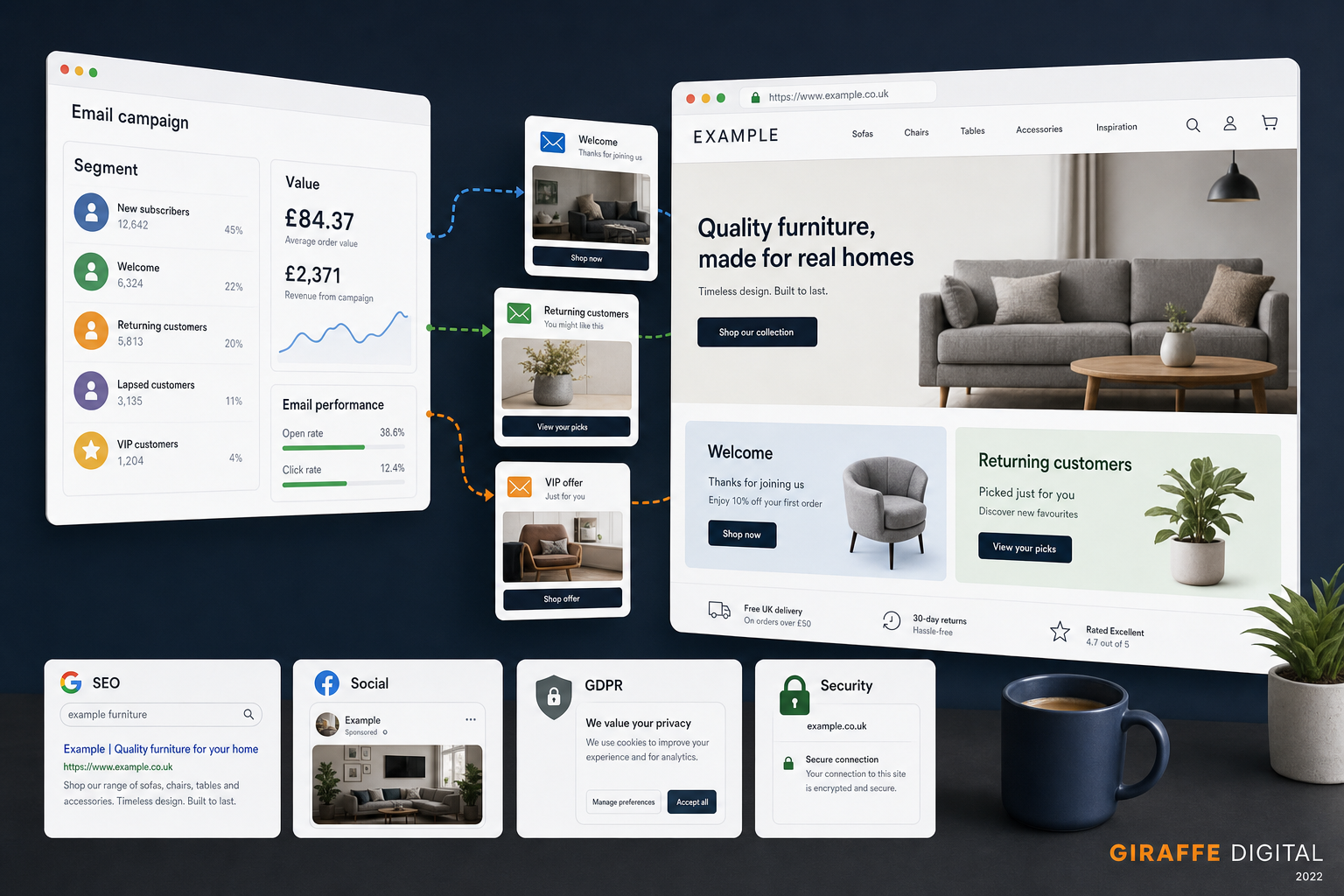
Segmentation becomes easier to understand when applied to real business situations. Consider a company offering website design and digital marketing services. Instead of sending one general newsletter to everyone, it could create several focused campaigns.
- New website enquiries could receive a guide explaining what to prepare before commissioning a website, including content, branding, domain name considerations and photography.
- Existing website clients could receive advice on keeping content up to date, improving conversion rates and reviewing analytics.
- SEO prospects could receive articles about keyword research, on-page optimisation and writing useful content for customers.
- Social media contacts could receive practical ideas for planning posts, encouraging engagement and maintaining a consistent brand voice.
- Inactive subscribers could receive a short re-engagement email asking whether they still want updates and what topics interest them most.
A retailer might segment by product category, purchase history or seasonal interest. A professional firm might segment by sector or business size. A charity might segment by donors, volunteers and event supporters. The principle is always the same: make the message more relevant to the recipient.
Even simple segmentation can improve planning. Instead of asking, What shall we send this month?, you can ask, What does this particular group need next? That change in thinking often leads to better content and clearer calls to action.
Domain names, email identity and trust
Email segmentation is about relevance, but trust also affects results. Recipients are more likely to open and click when they recognise who the email is from. A professional domain name and consistent email identity can help.
When choosing or reviewing a domain name, aim for something clear, memorable and suitable for your brand. For UK businesses, it is sensible to consider whether a UK-focused domain, a broader commercial domain or both will support your plans. Keep the spelling straightforward and avoid unnecessary complexity. A domain that is difficult to say, type or remember may create friction across email, search and printed marketing materials.
It is also wise to keep your domain registration details, renewal dates and administrative access well organised. Losing control of a domain can disrupt your website, email and wider marketing. Use a professional email address connected to your domain rather than relying solely on a free personal address for business communications. This helps create a more credible impression and supports consistency across campaigns.
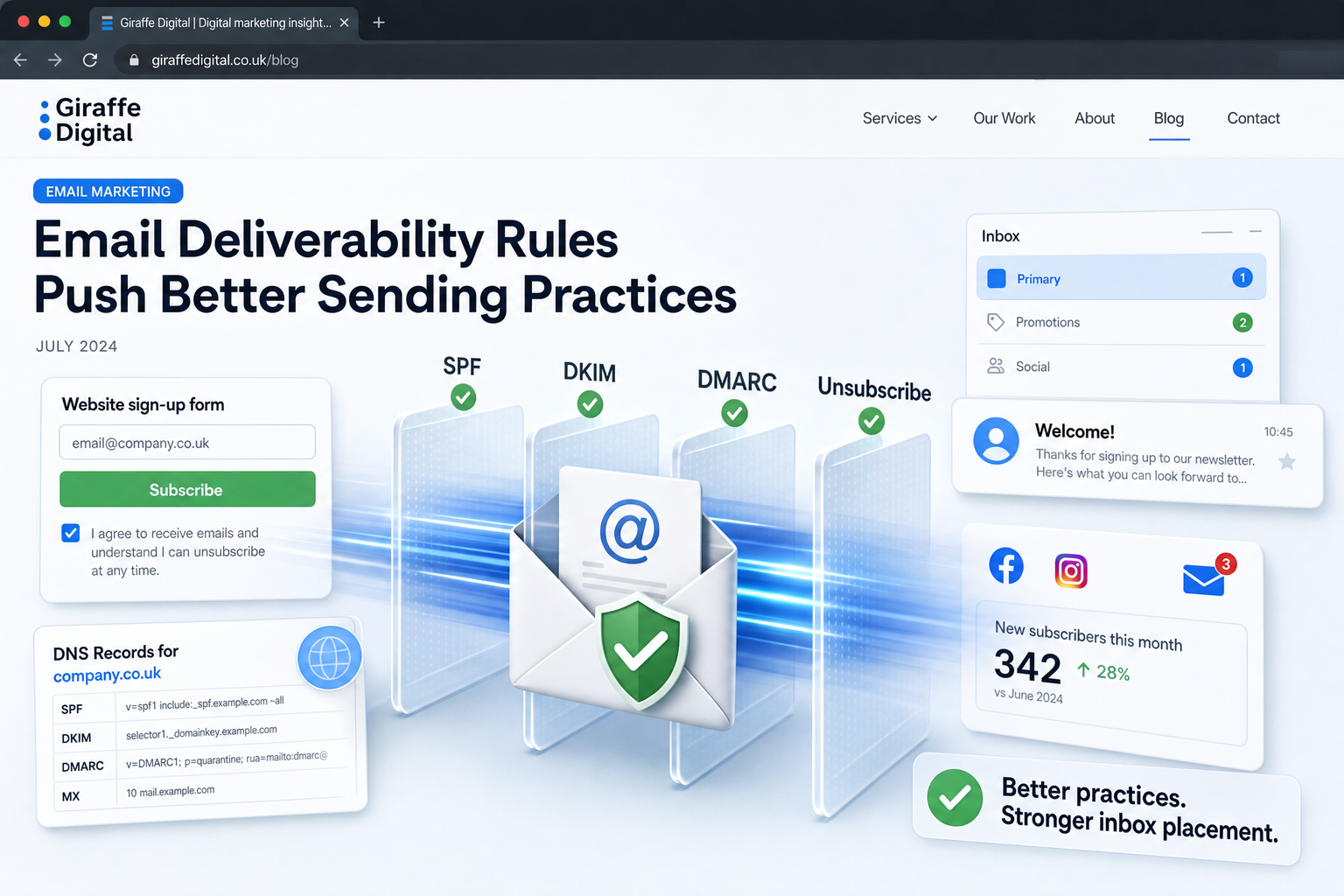
From a technical point of view, your email marketing system, website forms and domain settings should be configured carefully. Poorly configured email can lead to deliverability problems, while unclear sender details can make campaigns appear less trustworthy. If you are unsure, it is worth asking your web or digital marketing provider to review the set-up.
Measuring the results of segmentation
Segmentation should be measured, not guessed. Useful email metrics include open rate, click-through rate, unsubscribe rate, bounce rate and enquiries generated. However, it is important not to look at these numbers in isolation. A campaign with fewer opens but more qualified enquiries may be more valuable than a general campaign with a higher open rate and little business impact.
Website analytics add another layer of insight. Look at which segments visit key pages, complete forms, download documents or return later. If one segment consistently clicks but rarely enquires, the landing page or offer may need improvement. If another segment rarely opens emails, the subject line, frequency or relevance may need attention.
Testing can be useful, provided it is kept simple. You might test two subject lines, two calls to action or two landing page introductions. Avoid changing too many elements at once, as this makes it difficult to understand what caused the difference. Over time, these small improvements can build into a stronger email marketing programme.
It is also worth listening to direct feedback. If customers reply to emails with questions, objections or compliments, those responses can be extremely useful. They may reveal topics for future blog posts, improvements to service pages or new ways to segment the list.
Making segmentation manageable
One reason businesses avoid segmentation is the fear that it will be complicated or time-consuming. It does not have to be. Start with two or three useful segments and build from there. A simple structure that is used consistently is better than an ambitious system that no one maintains.
Begin by identifying your most important audiences and the actions you want them to take. Then review what information you already hold and what you need to collect in future. Update your website forms where appropriate, organise your mailing list and plan a small number of targeted campaigns. After each campaign, review the results and refine the segments.
Email segmentation is not a one-off task. Businesses change, customers change and your website content will develop over time. A regular review keeps your list useful and ensures that your campaigns continue to support your wider marketing objectives.
For UK business owners, the main benefit is clear: better relevance leads to better communication. When email campaigns are connected to a well-designed website, consistent branding, sensible domain management, social media activity and search marketing, they become much more than occasional newsletters. They become part of a joined-up digital strategy that helps people understand your business and take the next step with confidence.