Customers are no longer waiting until they are sitting at a desk to search, compare or make a decision. They are using smartphones and tablets throughout the day, often in short bursts, to answer immediate questions: where to go, what to buy, how something works or which business to trust. These brief but valuable points of intent are often called micro-moments, and they are becoming increasingly important for any organisation that relies on being found online.
For UK business owners, this shift matters because it changes the way a website, search campaign, social media activity and brand presence need to work together. A potential customer might first discover you while standing outside a shop, waiting for a train, planning an evening meal or comparing suppliers between meetings. If your business is visible, useful and easy to contact at that exact moment, you have a much better chance of turning interest into an enquiry or sale.
What are micro-moments
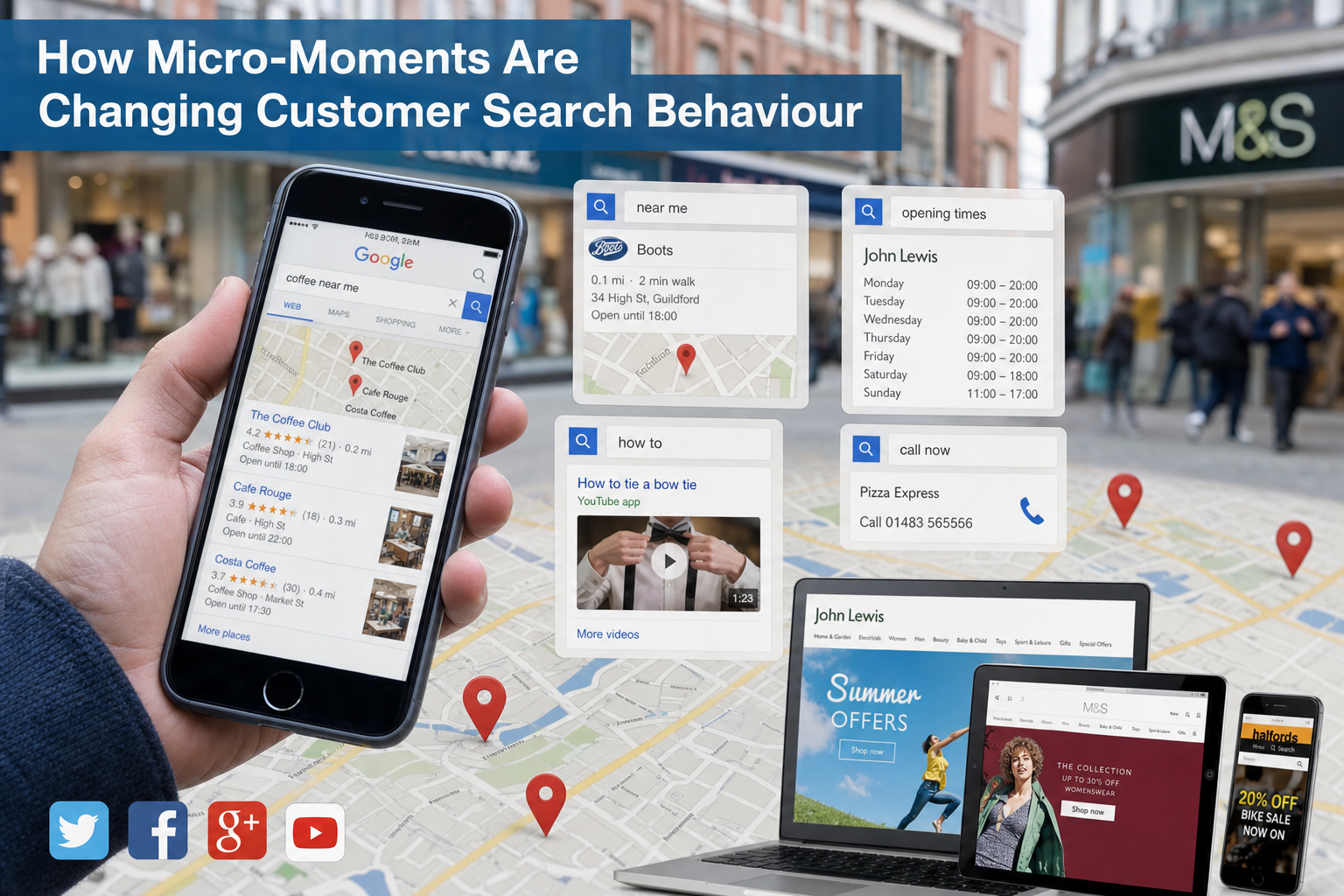
Micro-moments are the small, intent-driven searches and interactions that happen when a customer wants to know, go, do or buy something. They are not always long research sessions. Often, they are quick searches such as best accountant near me, how to choose a wedding photographer, opening times for garden centre or emergency plumber in Bristol.
These searches may seem simple, but they reveal a great deal about customer behaviour. The person searching is not passively browsing. They have a need, a question or a problem to solve. In many cases, they are closer to taking action than someone reading a general article with no immediate purpose.
Micro-moments can be grouped into a few useful types:
- I want to know: The customer is researching, comparing or trying to understand an issue.
- I want to go: The customer is looking for a local business, route, address or opening time.
- I want to do: The customer needs guidance, instructions, ideas or practical help.
- I want to buy: The customer is considering a purchase and may be looking for reassurance, availability or a simple way to order.
For a business, the opportunity is to be present and helpful in each of these moments. That does not mean forcing a hard sell into every search result. It means providing useful information, clear calls to action and a smooth experience from search engine to website to enquiry.
Why customer search behaviour is changing
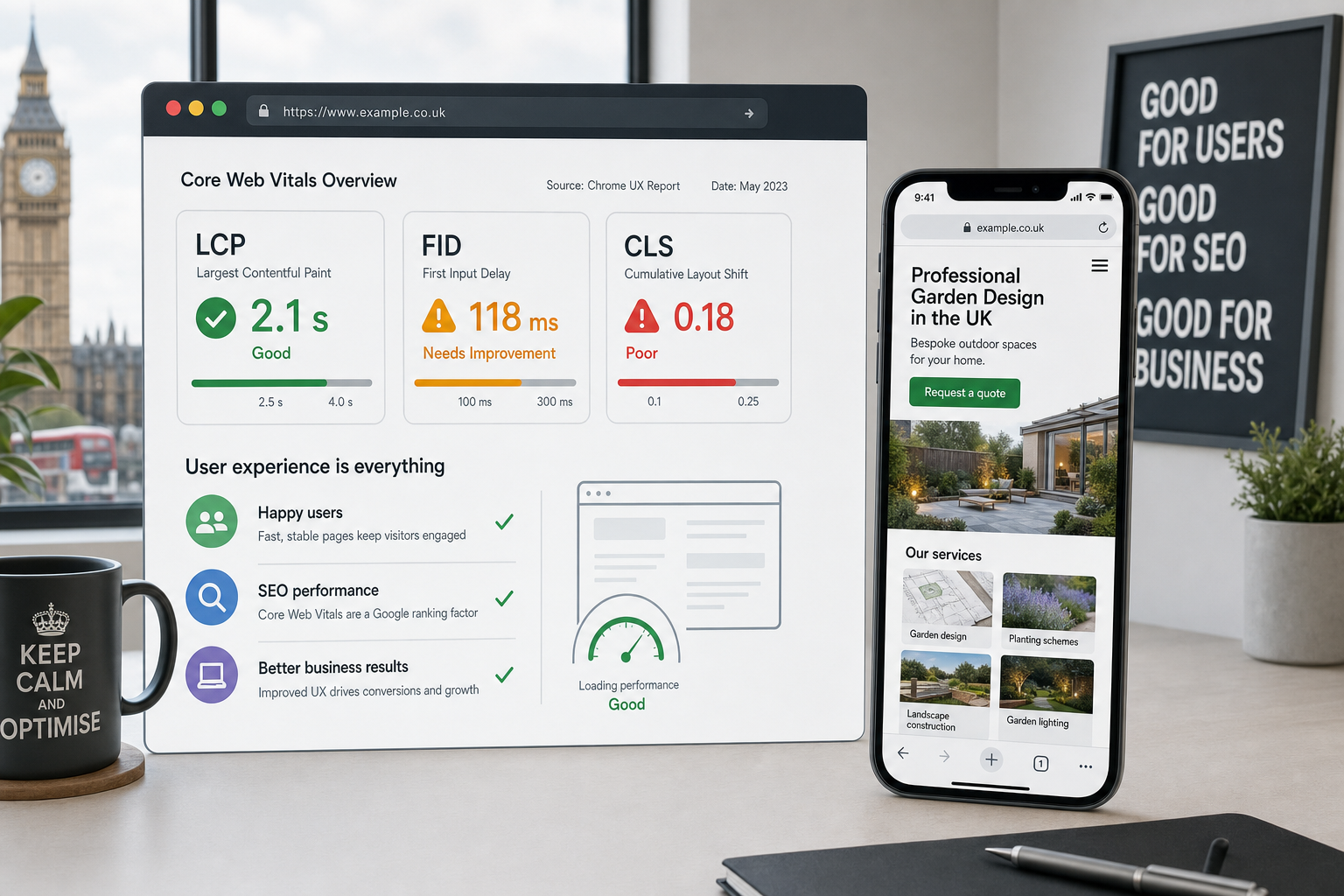
The biggest driver of micro-moments is the growth of mobile internet use. Smartphones have made search available almost everywhere, and customers now expect fast answers. A website that only works well on a desktop computer is no longer enough. If a customer has to pinch, zoom, wait too long or struggle to find a phone number, they may return to the search results and choose a competitor instead.
Search engines are also placing more emphasis on relevance, location and usability. Local search results, map listings, business information, review snippets and mobile-friendly pages all influence what a customer sees. In February 2015, Google announced that mobile-friendliness would become a stronger ranking factor for mobile searches from April. For many businesses, this is a timely reminder that responsive website design is not simply a design preference; it is part of being visible and useful to mobile searchers.
Social media is playing a role too. Customers may see a recommendation on Facebook, a conversation on Twitter, a photograph on Instagram, a company update on LinkedIn or a video on YouTube, then search for the business name or a related service seconds later. Search behaviour is no longer isolated from social behaviour. The journey between awareness, research and action is becoming shorter and more fragmented.
What micro-moments mean for your website
Your website needs to support quick decisions as well as longer research. Many business websites still assume that visitors will arrive on the home page, read several pages in order and then make contact. In reality, a visitor may arrive directly on a service page, blog post, product category, location page or contact page from a mobile search.
Each important page should therefore answer three basic questions quickly:
- Am I in the right place? The page title, opening copy and imagery should immediately match the searcher’s need.
- Can this business help me? The content should explain the service, product or answer clearly and credibly.
- What should I do next? The page should offer a clear next step, such as calling, sending an enquiry, requesting a quotation or visiting the premises.
Responsive design is central to this. A responsive website adapts to different screen sizes so that content remains readable and navigation remains usable on mobiles, tablets and desktop computers. It is also important to consider page speed, as slow-loading pages can be especially frustrating on mobile connections.
Other practical website improvements include prominent telephone numbers, click-to-call links on mobile, concise forms, clear opening times, accurate address details and defined service areas. If you run a local business, make sure your address and contact information are consistent across your website and wider online listings. Small inconsistencies can create confusion for both customers and search engines.
Creating content for intent, not just keywords
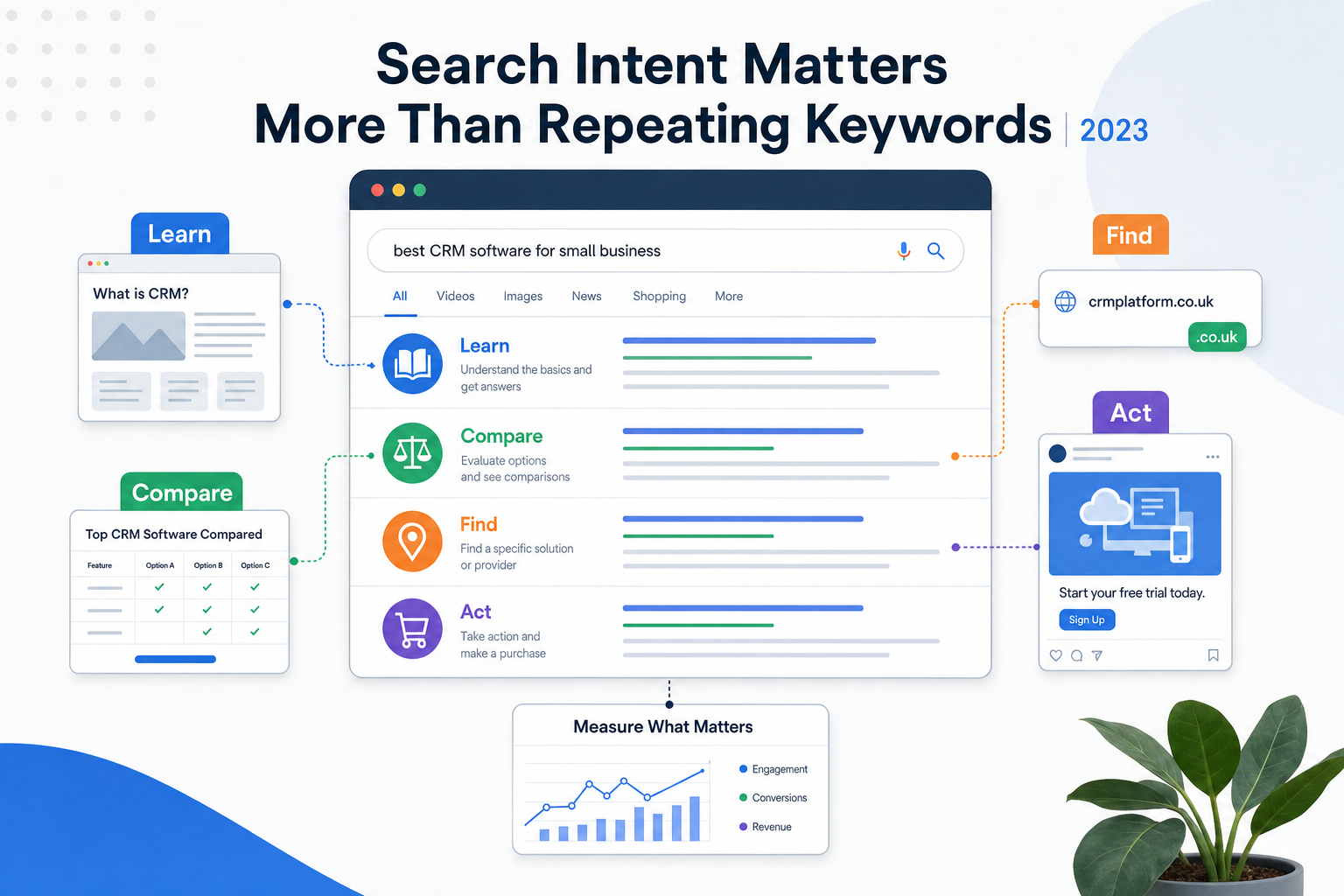
Keywords still matter, but micro-moments encourage a more useful approach to content. Rather than only asking which phrase has the highest search volume, ask what the customer is trying to achieve when they search. Someone typing how to choose office furniture is in a different frame of mind from someone typing office furniture supplier Manchester. Both may be valuable, but they need different content.
A good content plan should cover common questions, buying considerations, local intent and reassurance. For example, a solicitor might publish practical pages on what to bring to an initial appointment, how conveyancing works and which areas the firm serves. A hotel might focus on nearby attractions, parking, room facilities and booking information. A tradesperson might explain emergency call-outs, typical warning signs and how to prepare before a visit.
Useful content does not need to be complicated. Often, the best pages are straightforward, well structured and written in the language customers actually use. Include headings that make the page easy to scan, answer common questions directly and avoid hiding important information behind vague marketing claims.
Blog posts can also help capture early-stage micro-moments. A well-written article can answer a specific question and introduce your business to someone who may need your service later. The key is to make the article genuinely helpful, then offer a natural next step for readers who want professional support.
Local search and the importance of being easy to find
Many micro-moments have a local element. People search for restaurants, shops, garages, dentists, accountants, venues and professional services near where they live, work or happen to be at the time. If your business serves a defined area, local search should be a priority.
Start with the basics. Your business name, address and telephone number should be accurate on your website and consistent wherever your organisation is listed online. Your contact page should be clear, and if customers visit your premises, include directions, parking information and opening hours.
It is also worth maintaining your business listing in major search and map services. Add the correct category, description, address, telephone number, website address and opening times. Photographs can help customers recognise your premises and understand what to expect.
Reviews can influence micro-moments because they provide quick reassurance. A customer comparing three nearby businesses may make a decision based on visible ratings, review comments and how professional the business appears. Encourage satisfied customers to leave honest feedback, and respond to comments in a calm, helpful manner where appropriate.
Using social media to support micro-moments
Social media can help create and strengthen micro-moments by making your business visible when customers are browsing, asking for recommendations or comparing options. The right platform depends on your audience. Facebook can be useful for local engagement and consumer-facing businesses. Twitter is useful for timely updates and conversations. LinkedIn suits many business-to-business organisations. Instagram and Pinterest can work well for visual sectors such as interiors, fashion, food, events and travel.
The main point is consistency. Your social media profiles should reflect your brand, link clearly to your website and provide accurate contact information. Posts should not only broadcast promotions; they should answer questions, show useful examples, share advice and demonstrate that the business is active and approachable.
For example, a garden centre could share seasonal planting tips and link to a relevant advice page. A restaurant could post daily specials and ensure opening times are easy to find. A professional services firm could share short explanations of common issues and link to more detailed website content. These actions help bridge the gap between a fleeting social interaction and a search or enquiry.
Branding and domain names in a micro-moment world
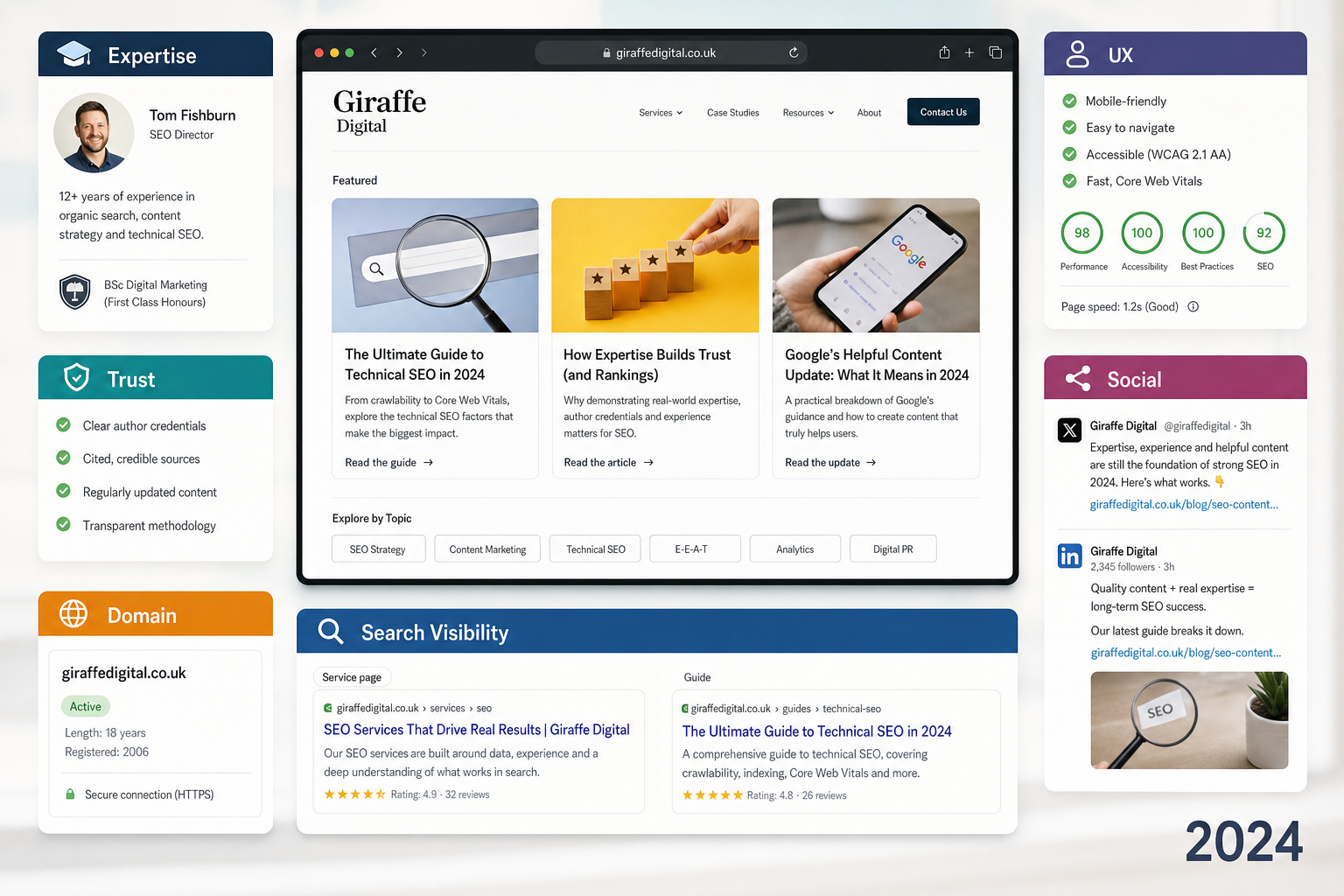
A memorable brand helps customers return after a quick search or social interaction. If someone sees your business on a mobile screen for only a few seconds, your name, message and visual identity need to be clear. Confusing names, inconsistent logos or unclear positioning can weaken trust at the moment when the customer is deciding whether to click, call or continue searching.
Domain names also play a part in credibility and recall. When choosing a domain, aim for something concise, easy to spell and closely aligned with your business name. Avoid unnecessary hyphens or unusual wording if they make the address harder to remember. For UK businesses, a relevant UK-focused domain can help signal location and familiarity to customers, while the newer, shorter UK domain option may also be worth considering where it suits the brand.
Before registering a domain, check that it does not create confusion with another organisation and that it will work well in print, email addresses and spoken recommendations. Your domain should support the brand rather than fight against it. Once chosen, use it consistently across your website, email, printed material and social profiles.
Practical steps for business owners
Improving your response to micro-moments does not necessarily mean rebuilding everything at once. Start by reviewing the journeys that matter most to your customers and remove obvious barriers.
- Check your website on a smartphone: Look at your key pages on a real mobile device. Can you read the text, use the menu and contact the business easily?
- Review your search results: Search for your brand, main services and local phrases. Note what appears and whether your listings look accurate and appealing.
- Map customer questions: List the questions people ask before buying or enquiring, then create pages or articles that answer them.
- Improve calls to action: Make sure each important page has a clear next step that suits the visitor’s intent.
- Update local information: Confirm that your address, telephone number, opening times and service areas are correct.
- Connect social and search: Ensure social profiles link to relevant pages and support the same message as your website.
- Measure what matters: Use analytics to review mobile traffic, popular landing pages, enquiry paths and search terms where available.
These steps help you understand where customers are encountering your business and what may be preventing them from taking action. Even small improvements can make a meaningful difference when they remove friction from a high-intent moment.
Turning brief attention into lasting value
Micro-moments may be brief, but they are not trivial. They are often the points at which customers form impressions, compare choices and decide what to do next. A business that appears helpful, credible and easy to contact in these moments is more likely to win attention and trust.
The most successful approach is joined-up. Website design, SEO, content, local listings, branding, domain choice and social media should all work together. When they do, customers can move smoothly from question to answer, from search to website, and from interest to enquiry.
For UK businesses planning a new website or reviewing their digital marketing, micro-moments provide a useful way to think about customer behaviour. Rather than designing only for what the business wants to say, design for what customers need in the moment. Be visible when they search, be useful when they arrive and be clear about the next step. That is how small moments can become valuable opportunities.