
A local service page may attract people who need help soon and people who are planning a project weeks or months ahead. Both can be valuable enquiries, but they arrive with different questions. An urgent visitor wants to establish availability and contact the business quickly. A planning visitor may need to understand the process, options and evidence before making contact.
Matching the page to those intentions does not require filling it with every local keyword variation. It requires clear service information, honest availability and contact routes that fit the customer's situation. The page should help the right person take a useful next step without promising an operational response the business cannot provide.
Distinguish urgency from general interest
Review actual enquiries and the language people use. An equipment repair request needed this week differs from someone comparing maintenance options for the next quarter. The service may be similar, but the immediate decision is different.
Look for the question behind the wording. A person searching for a nearby provider may want someone who can visit, someone familiar with the area or simply reassurance that the business covers their location. A town name alone does not tell you the full intent.
Group recurring questions by the decision they support: availability, service fit, cost, preparation, evidence or timing. Use those groups to plan the page. This is more useful than creating several thin pages that differ only in their titles.
State the service and area clearly at the start
Tell the visitor what the business provides and where it works. Clarify any important boundary, such as an appointment-based service, remote delivery or a limited travel area. Put that information where it helps the person decide whether to continue.
Distinguish a genuine location from a service area. A business may serve customers in a town without having an office there. The page should explain the actual arrangement and avoid creating an impression of premises that do not exist.
Google describes relevance, distance and prominence as factors in local results. Clear, accurate information helps explain what the business does, but inserting place names does not guarantee a particular position. Our local SEO and business profile guide provides the related checks.
Check consistency with contact pages, listings and operational information. Conflicting opening hours or service areas can undermine a useful page before the customer even asks a question.
Give urgent visitors a direct, honest route
If the business supports prompt telephone enquiries, make the number easy to find and usable on mobile. Explain when the line is answered and what information helps the team assess the request. A prominent contact route should lead to an actual operating process.
Do not imply round-the-clock availability or guaranteed attendance unless the business genuinely offers it under clear terms. Distinguish accepting a message from responding to it. A form available at night does not mean a team is working at night.
Where availability changes, avoid hard-coding a promise that nobody maintains. A clear instruction to contact the team to confirm the next appointment may be more reliable than an outdated claim about immediate service.
Keep the first step proportionate. Someone establishing whether you can help soon should not have to complete a long project questionnaire before reaching the right person. Collect essential context and explain what happens afterwards.
Give planning visitors the detail needed to compare
People planning a project may want to know the stages, likely dependencies and information needed for an estimate. Explain how the business assesses the requirement and which choices are made before work begins.
Use concrete descriptions rather than broad assurances. For a planned maintenance service, describe how the initial assessment works, what the customer needs to prepare and how scheduling is agreed. Where the scope varies, explain why and how it is established.
Include relevant evidence such as permissioned examples or a clear description of the process. Do not invent local case studies to make the page appear more specific. If the evidence comes from a comparable location, describe it accurately.
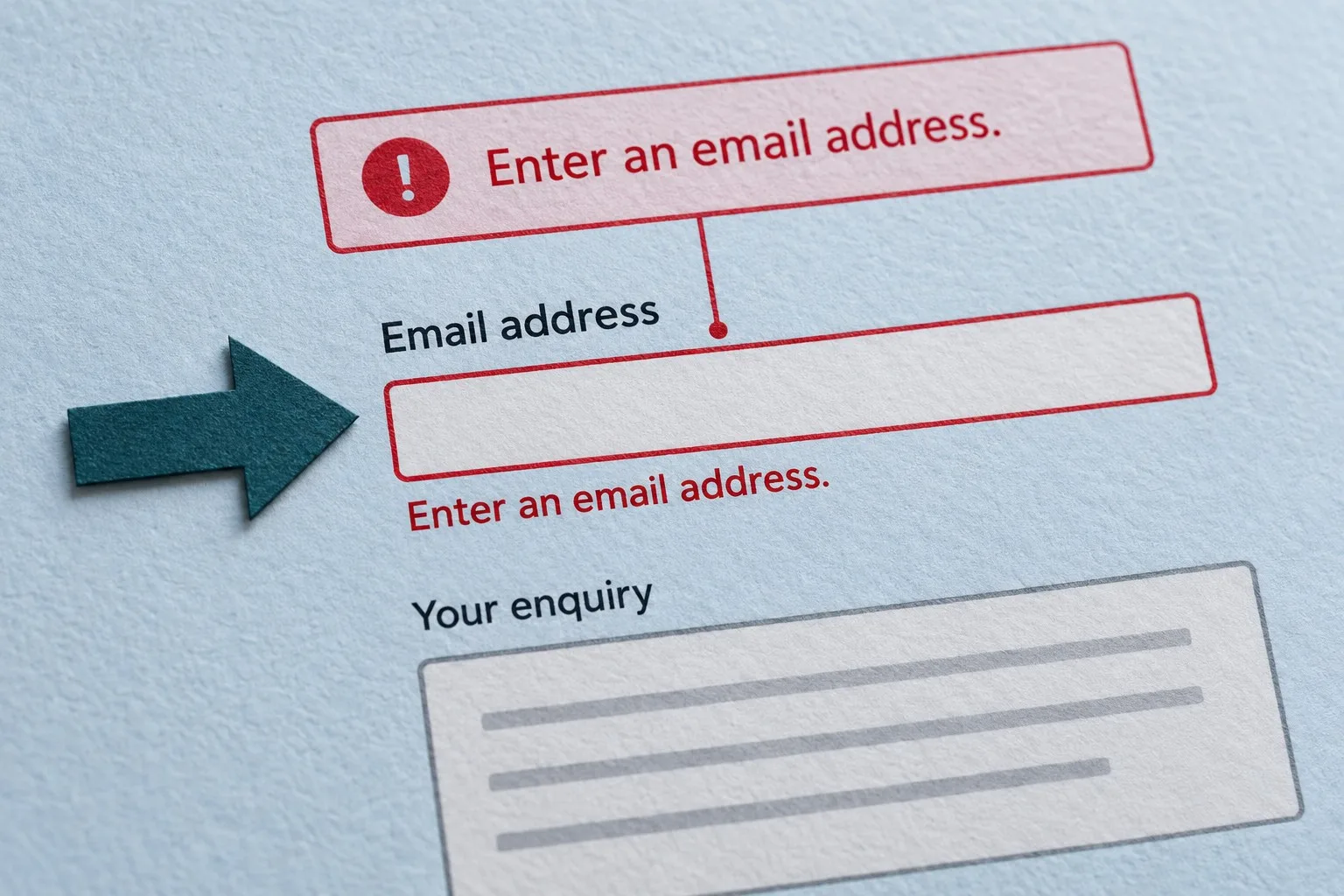
Offer a contact route that supports a considered enquiry. A short form can invite the service required, location and preferred timing. Optional space for additional context helps the business respond without forcing the visitor to know every technical detail.
Structure one useful page around both journeys
Place the common service description first, then make the two routes easy to recognise. A concise section on requesting an early appointment can sit alongside a section explaining planned work. Readers should not have to search through a long introduction to find the relevant path.
Use headings that answer real questions. “Where we work”, “How to arrange an assessment” and “What to include in your enquiry” often communicate more than repeated versions of the service keyword. Keep the language consistent with the offer.
If the urgent and planned services differ materially, separate pages may be justified. For example, they may have different scope, eligibility or booking processes. Make that decision based on the service distinction and user journey, rather than creating a page for every wording variation.
Link related pages where they help someone decide. A detailed process guide can support a planning visitor, while the contact page may support an immediate enquiry. Internal links should have a clear purpose in the journey.
Explain price and preparation without false precision
Identify what determines the estimate. Location, scope, access arrangements or the condition of existing equipment may matter. Give the customer a useful way to describe the requirement, rather than offering a single figure that cannot represent it accurately.
If the business publishes starting prices or assessment fees, explain the relevant scope and conditions. Keep them current and consistent with the team's actual quoting process. Avoid using an attractive number that applies to a situation the page does not explain.
Tell visitors what to prepare before contacting the team, but make the list realistic. A model number or photograph may help assess a repair request; a full technical specification may be unnecessary for an initial conversation. Keep essential and helpful information distinct.
Connect the page with the enquiry-handling process
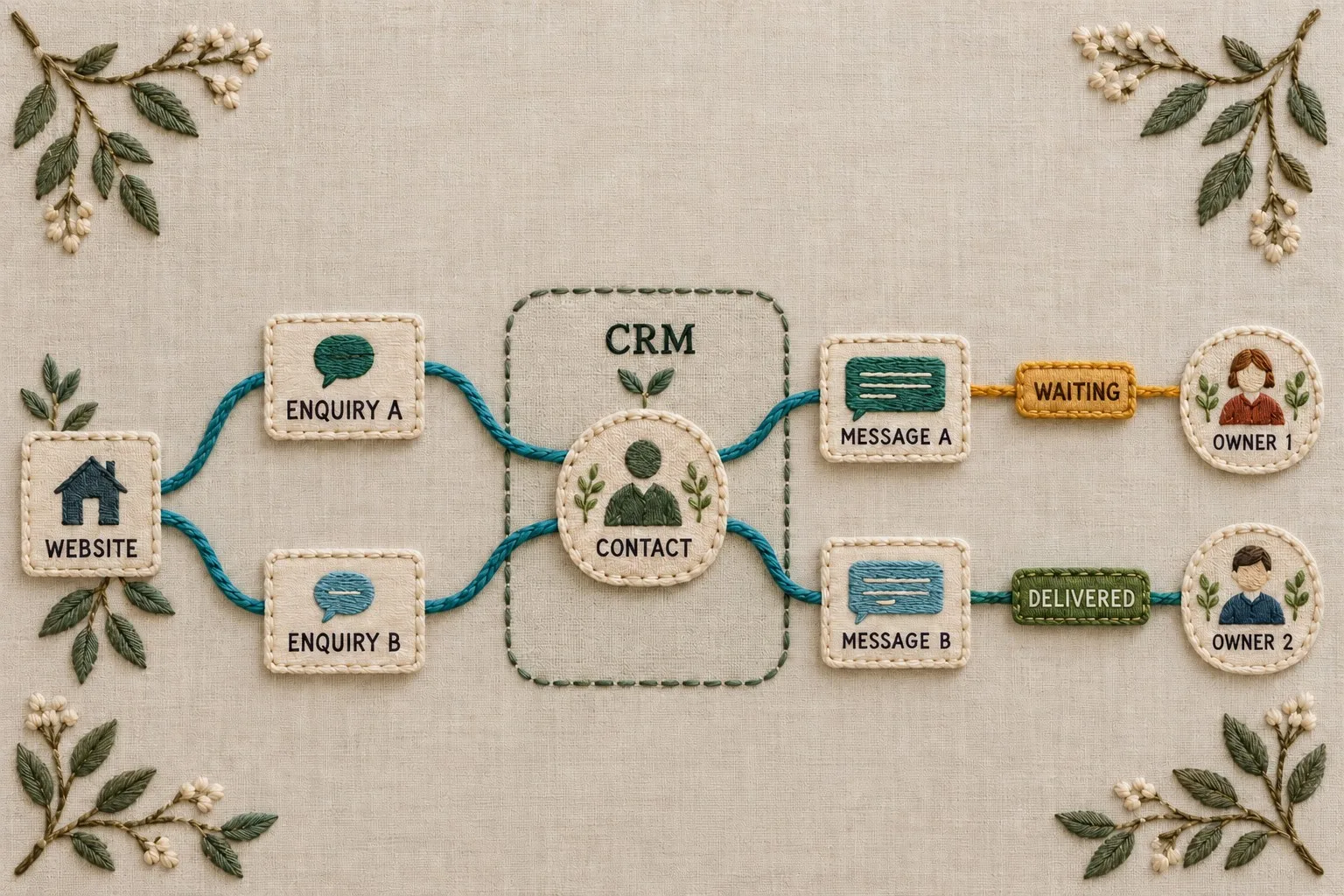
Ensure the team receiving enquiries understands the page's promises and categories. If the form asks whether the request is urgent, define how staff use that information. A label that never changes routing or review can create expectations without improving service.
Confirm that the website's contact routes work on relevant devices and reach the right destination. Test the form response, notification and any CRM assignment. Review what happens outside staffed hours and when the normal route is unavailable.
Give staff a way to record unsuitable or out-of-area requests. These can reveal where the page needs a clearer explanation. They may also indicate that a campaign or listing reaches the wrong audience, so consider the wider acquisition route.
Measure useful enquiries and improve the explanation
Compare urgent and planned enquiries using agreed business categories. Look at service fit, location, requested timing and whether follow-up occurs. A large number of telephone clicks does not establish that the business received suitable calls.
Review customer questions alongside the data. Repeated requests for a service you do not provide suggest that the page or advertising needs clarification. Repeated uncertainty about coverage suggests that the area information is too vague.
Keep seasonal and operational changes in view. The available response route may differ during busy periods, and the page should remain aligned with the service customers can actually receive. Assign responsibility for checking it.
Giraffe Digital's SEO service connects keyword targeting with useful content, while website design shapes clear enquiry journeys. A local service page that addresses urgency and planning together can support both: make the offer accurate, explain the route and give each visitor the information needed for their next decision.
Frequently asked questions
How should we distinguish urgency from general interest?
Review actual enquiries and the language people use. An equipment repair request needed this week differs from someone comparing maintenance options for the next quarter. The service may be similar, but the immediate decision is different. Look for the question behind the wording. A person searching for a nearby provider may want someone who can visit, someone familiar with the area or simply reassurance that the business covers their location. A town name alone does not tell you the full intent. Group recurring questions by the decision they support: availability, service fit, cost, preparation, evidence or timing. Use those groups to plan the page. This is more useful than creating several thin pages that differ only in their titles.
How should we give urgent visitors a direct, honest route?
If the business supports prompt telephone enquiries, make the number easy to find and usable on mobile. Explain when the line is answered and what information helps the team assess the request. A prominent contact route should lead to an actual operating process. Do not imply round-the-clock availability or guaranteed attendance unless the business genuinely offers it under clear terms. Distinguish accepting a message from responding to it. A form available at night does not mean a team is working at night. Where availability changes, avoid hard-coding a promise that nobody maintains. A clear instruction to contact the team to confirm the next appointment may be more reliable than an outdated claim about immediate service.
How should we structure one useful page around both journeys?
Place the common service description first, then make the two routes easy to recognise. A concise section on requesting an early appointment can sit alongside a section explaining planned work. Readers should not have to search through a long introduction to find the relevant path. Use headings that answer real questions. "Where we work", "How to arrange an assessment" and "What to include in your enquiry" often communicate more than repeated versions of the service keyword. Keep the language consistent with the offer. If the urgent and planned services differ materially, separate pages may be justified. For example, they may have different scope, eligibility or booking processes. Make that decision based on the service distinction and user journey, rather than creating a page for every wording variation.
How should we explain price and preparation without false precision?
Identify what determines the estimate. Location, scope, access arrangements or the condition of existing equipment may matter. Give the customer a useful way to describe the requirement, rather than offering a single figure that cannot represent it accurately. If the business publishes starting prices or assessment fees, explain the relevant scope and conditions. Keep them current and consistent with the team's actual quoting process. Avoid using an attractive number that applies to a situation the page does not explain. Tell visitors what to prepare before contacting the team, but make the list realistic. A model number or photograph may help assess a repair request; a full technical specification may be unnecessary for an initial conversation.
How should we measure useful enquiries and improve the explanation?
Compare urgent and planned enquiries using agreed business categories. Look at service fit, location, requested timing and whether follow-up occurs. A large number of telephone clicks does not establish that the business received suitable calls. Review customer questions alongside the data. Repeated requests for a service you do not provide suggest that the page or advertising needs clarification. Repeated uncertainty about coverage suggests that the area information is too vague. Keep seasonal and operational changes in view. The available response route may differ during busy periods, and the page should remain aligned with the service customers can actually receive. Assign responsibility for checking it. Giraffe Digital's SEO service connects keyword targeting with useful content, while website design shapes clear enquiry journeys.