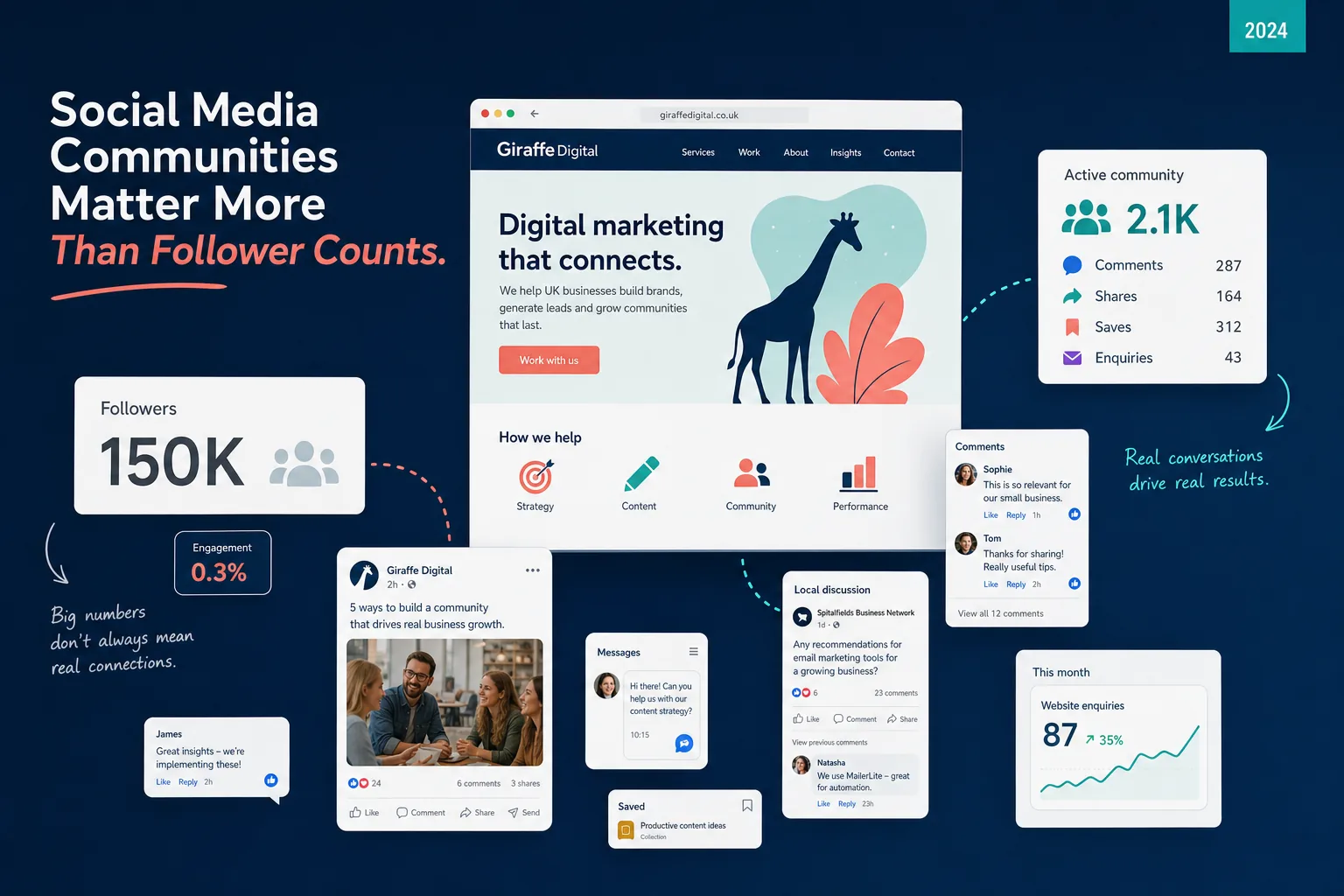

Only a few years ago, social networking websites were largely viewed as places where friends and family could keep in touch. Today, social media is rapidly evolving into something much bigger.
Businesses of every size are beginning to recognise that platforms such as Facebook, Twitter and LinkedIn offer new ways to communicate with customers, promote products and build stronger relationships.
While many companies are still deciding whether social media is right for them, there is growing evidence that these websites are becoming valuable business tools as well as social platforms.
Facebook Continues to Grow
Facebook has experienced remarkable growth over the past year and now boasts hundreds of millions of users worldwide.
What began as a university networking website has become one of the largest communities on the internet.
Businesses can now create Facebook Pages to:
- Share company news.
- Promote special offers.
- Announce new products.
- Publish photographs.
- Interact with customers.
For many organisations, Facebook provides a more personal way to communicate than traditional advertising.
Twitter Is Changing Communication
Twitter has introduced a completely new way of sharing information online.
Using short messages known as tweets, businesses can quickly update customers about news, promotions and events.
Many companies are using Twitter to:
- Answer customer questions.
- Share useful articles.
- Announce new services.
- Respond to feedback.
Twitter's speed allows businesses to communicate with customers almost instantly.
LinkedIn Connects Professionals
Unlike Facebook and Twitter, LinkedIn focuses on professional networking.
Businesses are using LinkedIn to:
- Build professional relationships.
- Recruit employees.
- Connect with suppliers.
- Demonstrate industry expertise.
- Network with other organisations.
For business owners, LinkedIn is becoming an increasingly valuable platform for expanding professional contacts.
Customers Expect Businesses to Be Online
Consumers are becoming accustomed to interacting with businesses through the internet.
Many now expect companies to provide updates online and respond to customer enquiries through social media.
Businesses that embrace these new communication channels may find it easier to build stronger relationships with existing customers while attracting new ones.
Social Media Is About Conversation
One of the biggest differences between social media and traditional advertising is the level of interaction.
Instead of simply broadcasting advertisements, businesses can now have genuine conversations with their customers.
Listening to feedback, answering questions, and responding to comments help build trust and encourage customer loyalty.
Share Useful Information
Successful businesses are discovering that social media works best when it provides value.
Rather than constantly promoting products, companies should consider sharing:
- Industry news.
- Helpful tips.
- Company updates.
- Behind-the-scenes photographs.
- Links to useful articles.
Interesting content encourages people to stay engaged with your business.
Drive Visitors to Your Website
Social media should support your website rather than replace it.
Businesses can use Facebook, Twitter and LinkedIn to encourage people to visit their websites, where they can learn more about products and services.
A professional website remains the centre of your online presence.
Start Building Your Audience
Although social media is still relatively new for many businesses, now may be an ideal time to become involved.
Building an audience takes time, and companies that begin today may benefit as these platforms continue growing.
A practical social media routine for a small business
Imagine a fictional independent shop introducing a new product range. A useful social post should explain who the products are for, show an accurate image and direct interested customers to the relevant information. The linked page should confirm availability, important product details and the next action. A social message promising an item that cannot be found or ordered creates confusion rather than useful interest.
Before publishing, agree who can check product facts and who is authorised to post. Keep the approved version of the message and image together, so an earlier draft is not accidentally scheduled. If availability changes, review queued posts and the website at the same time. Social media communication and the destination page should present the same offer.
The business also needs a realistic reply routine. Decide who checks questions, which enquiries need to move to a private contact route and how to handle a complaint that requires investigation. Avoid requesting sensitive customer details in a public comment. An acknowledgement should explain the next step without promising an outcome that the responder cannot authorise.
At the end of a trial, look beyond the number of reactions. Record whether posts led to relevant questions, visits to the intended page or actual purchases that can be linked to the campaign with reasonable evidence. Compare the time spent preparing and moderating content with those outcomes. Keep examples of customer questions that reveal unclear product information.
This gives the shop a manageable cycle: choose a customer question, prepare accurate material, publish through a controlled account, respond appropriately and review what happened. It is more useful than trying to maintain every available channel without a clear audience or an owner for the work. The particular platform features described in a historical article should be checked again before using them in a current campaign.
Keep the social account's ownership and recovery arrangements with the business's operating records. A posting routine should not depend on one person's private account or memory of how access was obtained. Test the intended roles before a handover, and review them when responsibilities change. Retain the approved campaign material and a record of corrections, so the next person can understand which public promise was made and whether a scheduled message still needs attention before it is released.
Frequently asked questions
Why does Facebook continue to grow?
Facebook has experienced remarkable growth over the past year and now boasts hundreds of millions of users worldwide. What began as a university networking website has become one of the largest communities on the internet. Businesses can now create Facebook Pages to: Share company news; Promote special offers; Announce new products; Publish photographs; Interact with customers. For many organisations, Facebook provides a more personal way to communicate than traditional advertising.
Why is Twitter changing communication?
Twitter has introduced a completely new way of sharing information online. Using short messages known as tweets, businesses can quickly update customers about news, promotions and events. Many companies are using Twitter to: Answer customer questions; Share useful articles; Announce new services; Respond to feedback. Twitter's speed allows businesses to communicate with customers almost instantly.
Why do customers expect businesses to be online?
Consumers are becoming accustomed to interacting with businesses through the internet. Many now expect companies to provide updates online and respond to customer enquiries through social media. Businesses that embrace these new communication channels may find it easier to build stronger relationships with existing customers while attracting new ones.
Why is social media about conversation?
One of the biggest differences between social media and traditional advertising is the level of interaction. Instead of simply broadcasting advertisements, businesses can now have genuine conversations with their customers. Listening to feedback, answering questions, and responding to comments help build trust and encourage customer loyalty.
How should we share useful information?
Successful businesses are discovering that social media works best when it provides value. Rather than constantly promoting products, companies should consider sharing: Industry news; Helpful tips; Company updates; Behind-the-scenes photographs; Links to useful articles. Interesting content encourages people to stay engaged with your business.
Looking Ahead
The popularity of social networking websites shows no signs of slowing down.
As more consumers join Facebook, Twitter and LinkedIn, businesses are likely to discover even more opportunities to communicate with customers online.
Social media may still be developing, but it is already changing the way businesses market themselves and interact with the public.
Companies willing to embrace these new technologies today could gain a valuable advantage in the years ahead.