Search visibility is still built on the same principle that good businesses have always understood: people need to trust what they find. For UK business owners investing in website design, SEO, branding or digital strategy, content expertise is not a decorative extra. It is one of the strongest ways to show that your organisation understands its audience, can solve real problems and deserves to appear when potential customers search for help.
In 2026, search marketing is shaped by richer search results, AI-assisted discovery, stronger competition and a growing expectation that online content should be genuinely useful. Search engines continue to reward pages that demonstrate experience, accuracy, clarity and value. Thin service pages, vague blog posts and over-optimised copy are far less convincing than content written around genuine customer questions, sector knowledge and practical next steps.
What content expertise means for business websites
Content expertise is the visible proof that your business knows its subject. It comes through in the quality of your explanations, the accuracy of your advice, the relevance of your examples and the confidence with which you guide visitors towards a decision. It is not limited to regulated sectors or technical industries. A local building firm, an accountancy practice, a care provider, an e-commerce brand and a creative studio can all demonstrate expertise in ways that matter to their audiences.
For example, a generic page about bathroom renovations may list broad services and ask visitors to get in touch. A more expert page would explain planning considerations, common layout issues, ventilation, materials, timescales, disruption and what homeowners should prepare before requesting a quotation. That second page is more useful to the reader and gives search engines more evidence that the business can satisfy the intent behind the search.
Expertise also depends on matching the depth of information to the importance of the decision. If someone is choosing a new pair of socks, they may only need product details, sizing and delivery information. If they are choosing a solicitor, clinic, financial adviser, school, web design agency or commercial contractor, they need stronger reassurance. They will look for credentials, processes, examples, standards, policies, clear explanations and signs that real people stand behind the content.
Why expertise remains central to SEO in 2026
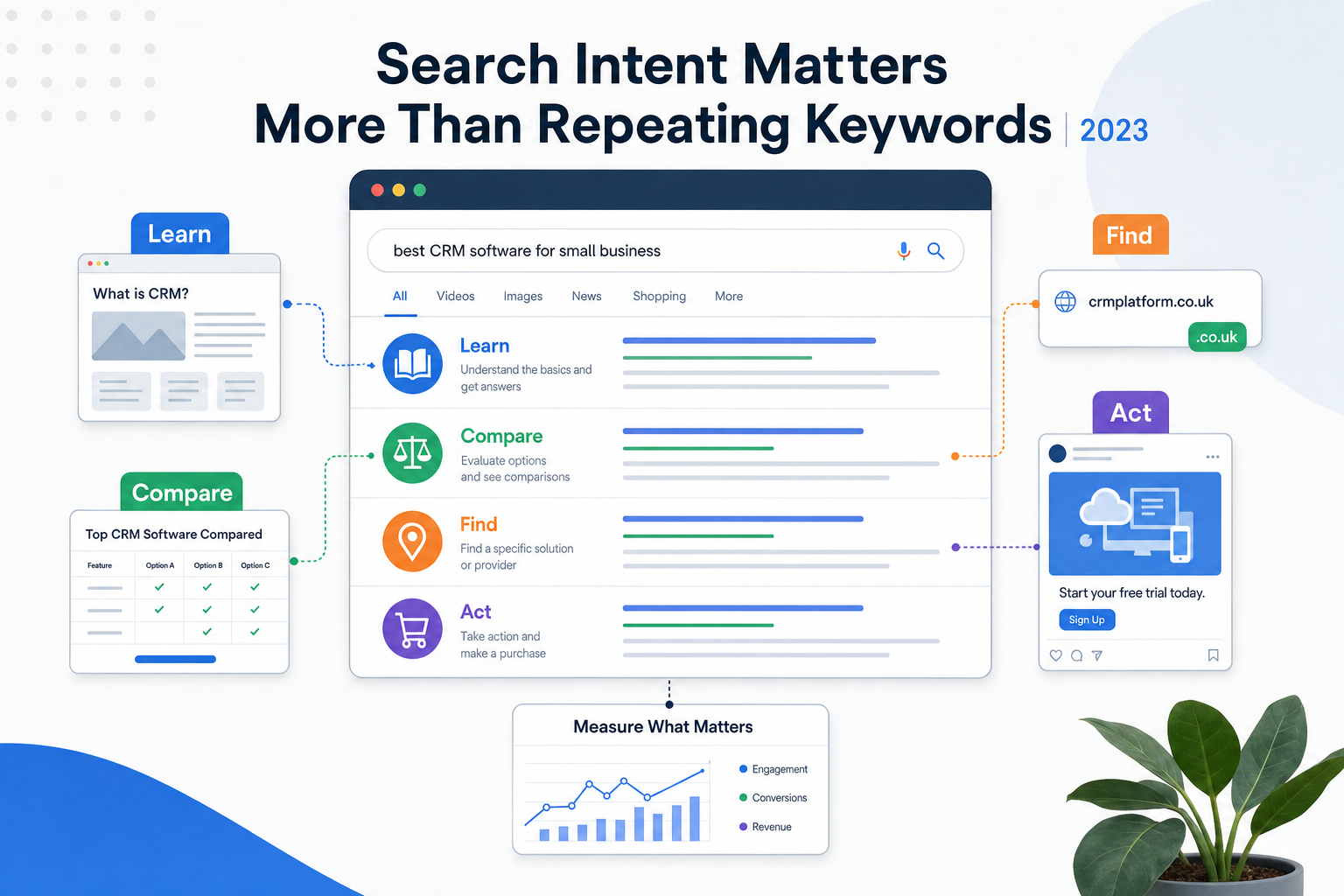
Search engines aim to present reliable answers, not simply pages that repeat keywords. Keyword research still matters, but it works best when used to understand demand, not to force awkward phrases into a page. A primary keyword, such as content expertise, should appear naturally where it helps the reader understand the subject. It should not replace clear writing, logical structure or meaningful detail.
Quality signals are assessed across many layers. A page may be influenced by its wording, headings, internal links, external references, author information, site structure, performance, accessibility and broader reputation. Search engines also consider whether a page appears to satisfy users. If visitors quickly return to the search results because the page is confusing, thin or unhelpful, that is unlikely to support strong long-term performance.
Expert content is especially important because search results are more competitive. Many businesses now publish regular blogs, location pages and service guides. Some use AI tools to draft content quickly. Speed alone does not create authority. If dozens of pages say the same obvious things, the pages with better insight, clearer structure and stronger evidence are more likely to stand out.
Business owners should think less about producing content for the sake of activity and more about building a useful body of information. A smaller set of well-maintained, well-designed pages can outperform a large archive of weak articles. Content should answer real questions, remove friction from the buying process and give visitors confidence to take the next step.
How to demonstrate expertise on your website
Strong expertise is built into the page, not added as a final sentence. It starts with understanding what the visitor is trying to do. Are they comparing options, checking whether you serve their area, looking for reassurance, trying to understand a process or preparing to contact you? Each page should be shaped around a clear purpose.
Use specific explanations rather than broad claims
Claims such as we are experts, we deliver quality or we put customers first are common, but they do little on their own. A stronger approach is to show how your expertise works in practice. Explain your process, what you check, why it matters and what customers should expect.
For instance, a website design page could explain discovery workshops, user journeys, content planning, wireframing, accessibility, performance, testing and launch support. A social media marketing page could explain audience research, content calendars, creative formats, community management, campaign measurement and the role of organic and paid activity. These details help visitors assess whether you understand the work properly.
Add human credibility where appropriate
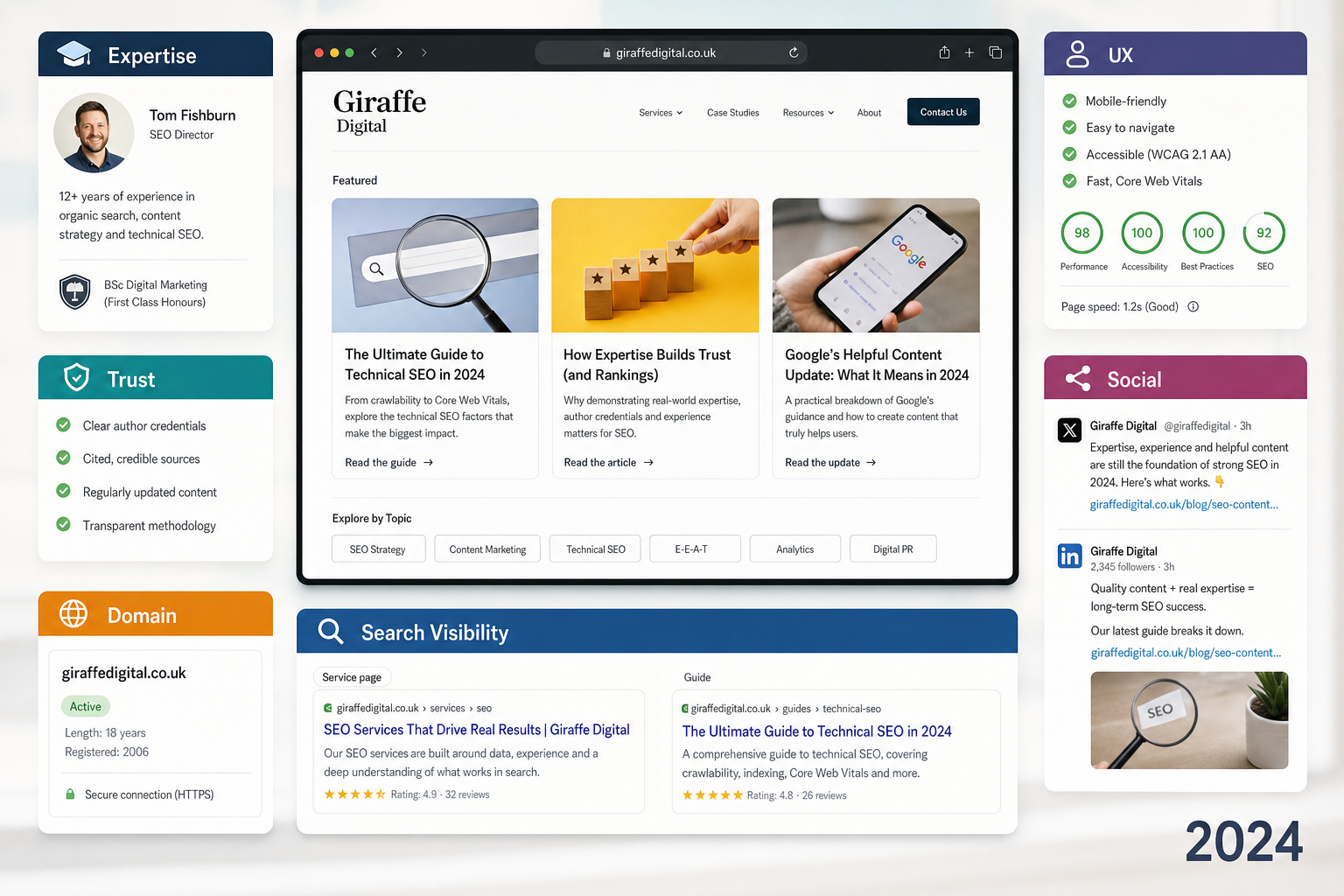
People trust people. Where content covers specialist advice, include information about who wrote or reviewed it. This can be as simple as an author profile, professional background, relevant experience or editorial policy. For a service business, team pages can support credibility by showing skills, responsibilities and real roles within the organisation.
Credibility also comes from consistency. If your service pages, blog posts, case studies and social media channels all reflect the same knowledge and positioning, your brand feels more reliable. If one channel sounds expert and another is vague or neglected, the experience becomes weaker.
Keep important content up to date
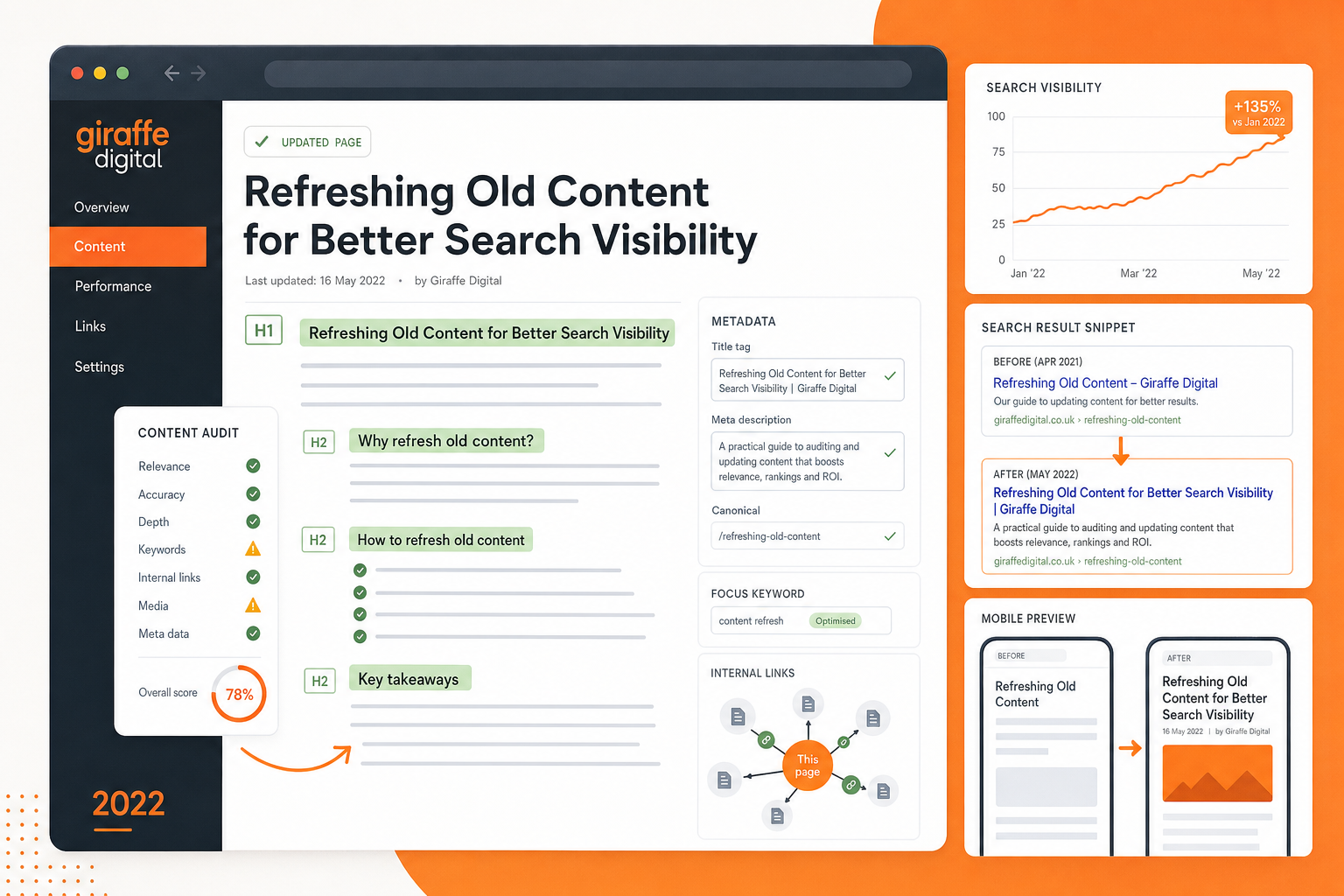
Outdated content can undermine trust. Review key pages regularly, especially those covering regulations, platform features, technical guidance, product specifications or market changes. You do not need to rewrite everything constantly, but you should correct old information, remove unsupported claims and improve pages as your business learns more.
For evergreen guides, it can help to state when the content was last reviewed. This is particularly useful for topics where visitors may worry about accuracy, such as digital marketing guidance, compliance-related information, technology choices or operational advice.
Website design plays a major role in perceived expertise
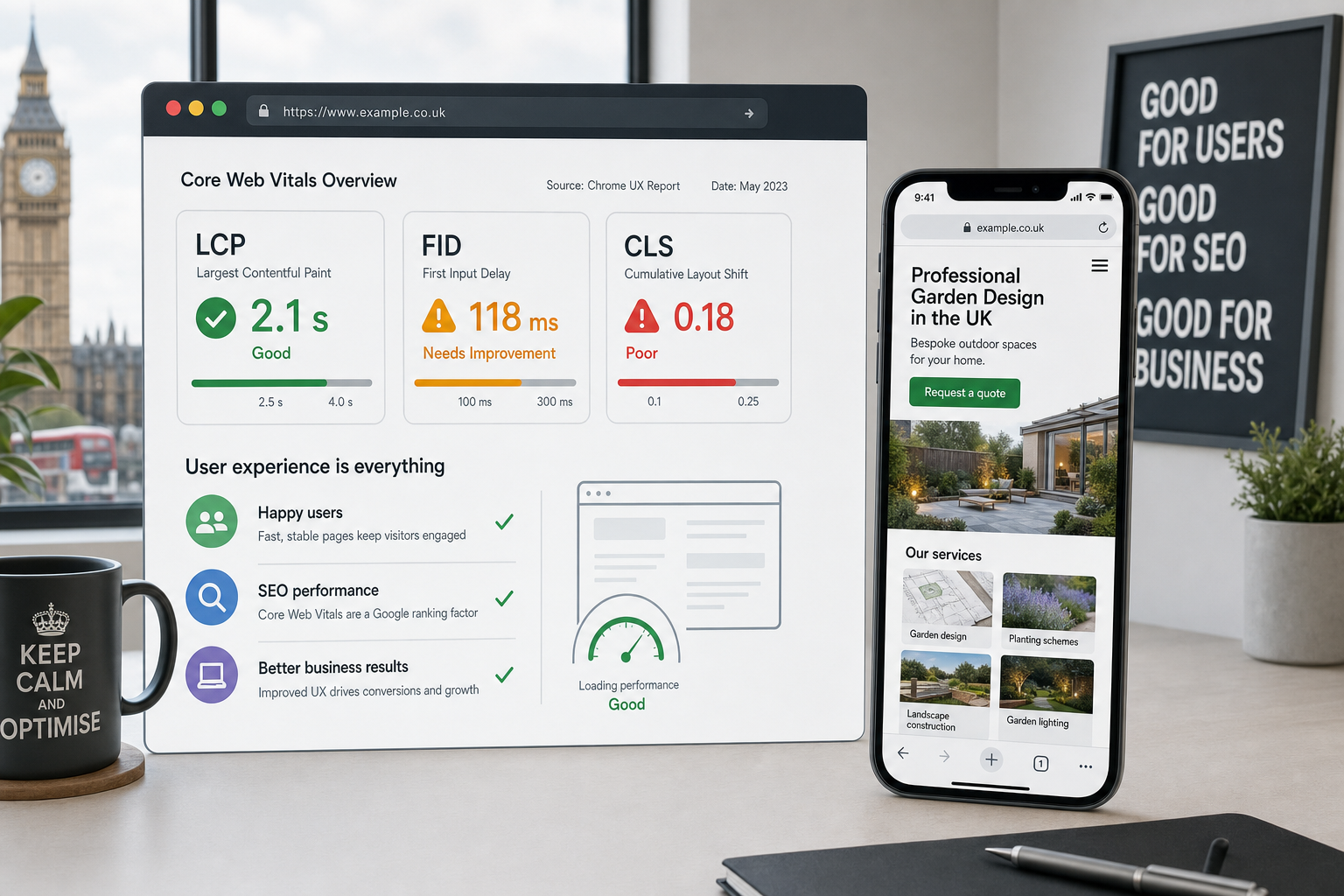
Expert content can be weakened by poor design. If a page is difficult to scan, slow to load, awkward on mobile or visually inconsistent, visitors may doubt the business before they read the detail. Website design should support the content by making information easy to find, understand and act on.
Good design improves expertise in several practical ways. Clear navigation helps visitors move from general research to specific services. Strong typography makes detailed advice easier to read. Well-structured page layouts separate key messages, supporting information, calls to action and proof points. Accessible design ensures more people can use the site properly, including those using assistive technologies.
Mobile experience is particularly important. Many visitors will first reach your site from a search result, map listing, social post or email link on a phone. If forms are frustrating, menus are unclear or content is cramped, strong expertise may never be seen. A professional website should make it easy to read an article, compare services, find contact details and submit an enquiry without unnecessary effort.
Design should also avoid overloading pages with movement, pop-ups or decorative effects that distract from the information. Visual polish matters, but trust usually comes from clarity. The best websites use design to make expert content more persuasive, not to hide weak messaging behind impressive visuals.
Practical content types that show expertise
Different content formats can support different stages of the customer journey. The aim is not to publish every possible format, but to choose those that answer real questions for your audience.
- Service pages: Explain what you do, who it is for, how the process works, what problems you solve and what makes your approach suitable.
- Guides and advice articles: Help visitors understand options, risks, decisions and next steps before they contact you.
- Frequently asked questions: Address practical concerns around timescales, preparation, suitability, support and what happens after an enquiry.
- Case studies: Show the context, challenge, approach and outcome of a project without inventing numbers or making unsupported claims.
- Comparison pages: Help users choose between services, packages, methods or technologies by explaining trade-offs clearly.
- Resource hubs: Organise related content into a logical structure, making it easier for visitors and search engines to understand your topic coverage.
For a digital marketing agency, this might mean linking website design, SEO, branding, content strategy and social media marketing into one coherent knowledge base. For a local trades business, it might mean publishing clear guidance on maintenance, materials, regulations, seasonal issues and how to choose a supplier. In each case, the value comes from practical detail and a clear understanding of customer needs.
Using social media to reinforce expertise
Social media is not a substitute for a well-structured website, but it can strengthen the perception of expertise. Searchers often check social channels before making contact, especially when comparing service providers. They may look for recent activity, helpful advice, examples of work, tone of voice and how the business responds to questions.
Expert social media content does not always need to be highly polished. It should be relevant, consistent and useful. A short post explaining a common mistake can be more valuable than a generic promotional graphic. A behind-the-scenes explanation of a process can reassure prospective customers. A clear answer to a frequent question can support both engagement and trust.
Businesses should avoid treating every channel in the same way. Professional services may benefit from thought leadership, commentary and educational posts. Visual brands may use short-form video, carousels and project showcases. Local businesses may focus on community relevance, seasonal advice and customer education. The strongest strategy reflects where your audience spends time and what they need before buying.
Social content can also inform your website strategy. Questions asked in comments, messages or sales conversations can become blog topics, FAQ sections or service page improvements. This creates a useful feedback loop between audience behaviour and website content.
Domain names, brand trust and content strategy
Your domain name is part of the first impression your business makes online. It should be easy to read, easy to say and suitable for your brand as it grows. A domain that is confusing, overly long or too similar to another organisation can create avoidable trust issues.
When registering a domain, choose a name that supports recognition and credibility. For many UK businesses, a relevant UK domain extension can help reinforce local presence, while a broader extension may suit businesses serving wider markets. The right choice depends on your audience, brand positioning and availability.
Before committing to a domain, check whether it could be misread, misspelt or confused with another established brand. Consider how it looks in an email address, on signage, in a social media profile and when spoken over the phone. It is also sensible to register key variations where appropriate, protect important brand assets and keep renewal details well managed so the domain is not accidentally lost.
A domain name will not compensate for weak content, but it can support a trustworthy brand experience. Combined with a secure, well-designed website and useful expert content, it helps visitors feel they are dealing with a professional organisation.
Balancing AI-assisted content with genuine knowledge
AI writing tools are widely used in marketing workflows in 2026, and they can be helpful for brainstorming, outlining, summarising research or improving drafting efficiency. However, they do not replace business expertise. Content that is published without human review can be inaccurate, generic or poorly aligned with the reality of your service.
If you use AI-assisted drafting, treat it as a starting point. Add your own examples, process knowledge, market understanding, customer questions and professional judgement. Check facts carefully. Remove vague statements. Make sure the advice reflects what your business genuinely does and what your audience needs to know.
The strongest content combines efficiency with accountability. A business owner, specialist, strategist or subject expert should shape the final message. This is especially important for content that influences important decisions, such as legal, financial, health, safety, employment, technical or strategic business matters.
How to review your content for quality
A content audit can reveal where your website is helping or holding back your SEO. Start with your most important pages: homepage, service pages, location pages, high-traffic blog posts and enquiry paths. Read them as a prospective customer would. Ask whether the page answers the right questions and whether the next step is obvious.
- Check intent: Does the page match what someone searching for this topic is likely to need?
- Assess depth: Is the content detailed enough to be useful without becoming padded?
- Look for proof: Are claims supported by process, credentials, examples or clear reasoning?
- Improve structure: Are headings, paragraphs and internal links helping visitors navigate the information?
- Update accuracy: Are any references, policies, technologies or service details out of date?
- Review conversion paths: Can visitors easily enquire, book, call, download or continue reading?
It can also help to compare your pages with the questions your sales team, customer service team or enquiry inbox receives most often. If people regularly ask something before buying, your website should probably answer it. This reduces friction and can improve lead quality because visitors arrive better informed.
Expertise is a long-term business asset
Content quality is not a one-off SEO task. It is part of how your business presents itself online. As your services develop, your market changes and your customers ask new questions, your website should evolve too. Businesses that treat content as an asset tend to build stronger search visibility, better trust and more useful customer journeys.
The most effective approach is to connect content expertise with website design, technical performance, brand positioning, social media marketing and ongoing measurement. Each element supports the others. A well-built site gives expert content a strong platform. Clear branding makes the message memorable. Search optimisation helps the right people find it. Social media extends its reach. Analytics and enquiry data show what to improve next.
For UK business owners, the message is straightforward: if you want search visibility that lasts, invest in content that genuinely helps people make better decisions. Explain what you know, show how you work, maintain accuracy and design the experience around the visitor. Expertise is not just an SEO signal; it is a commercial trust signal, and it remains central to building a stronger digital presence in 2026.