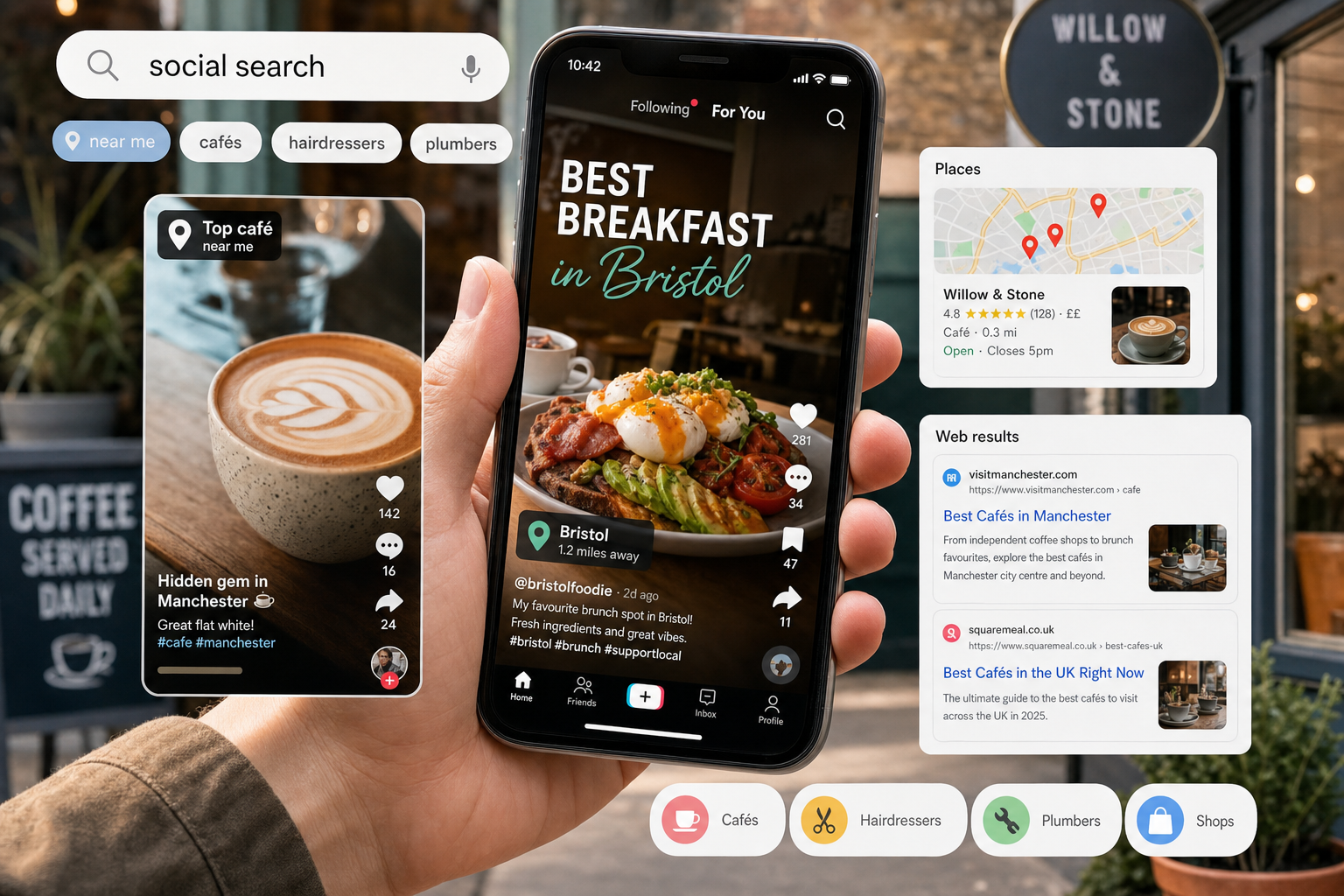
Short-form video marketing has moved from an experimental social media tactic to a core part of how many UK businesses communicate online. Audiences are increasingly comfortable discovering products, comparing services and learning about brands through quick, vertical videos on platforms such as TikTok, Instagram Reels, YouTube Shorts and Facebook Reels. For business owners, the opportunity is not simply to be entertaining. Used well, short video can support brand awareness, website engagement, search visibility, customer education and sales conversations.
The format works because it fits the way people browse: quickly, visually and often on a mobile phone. A strong short video can answer a common question, show a product in context, introduce a team member, explain a process or direct viewers to a useful page on your website. The challenge is to create content with a clear purpose rather than posting simply because the format is popular.
Why short-form video matters for businesses in 2023
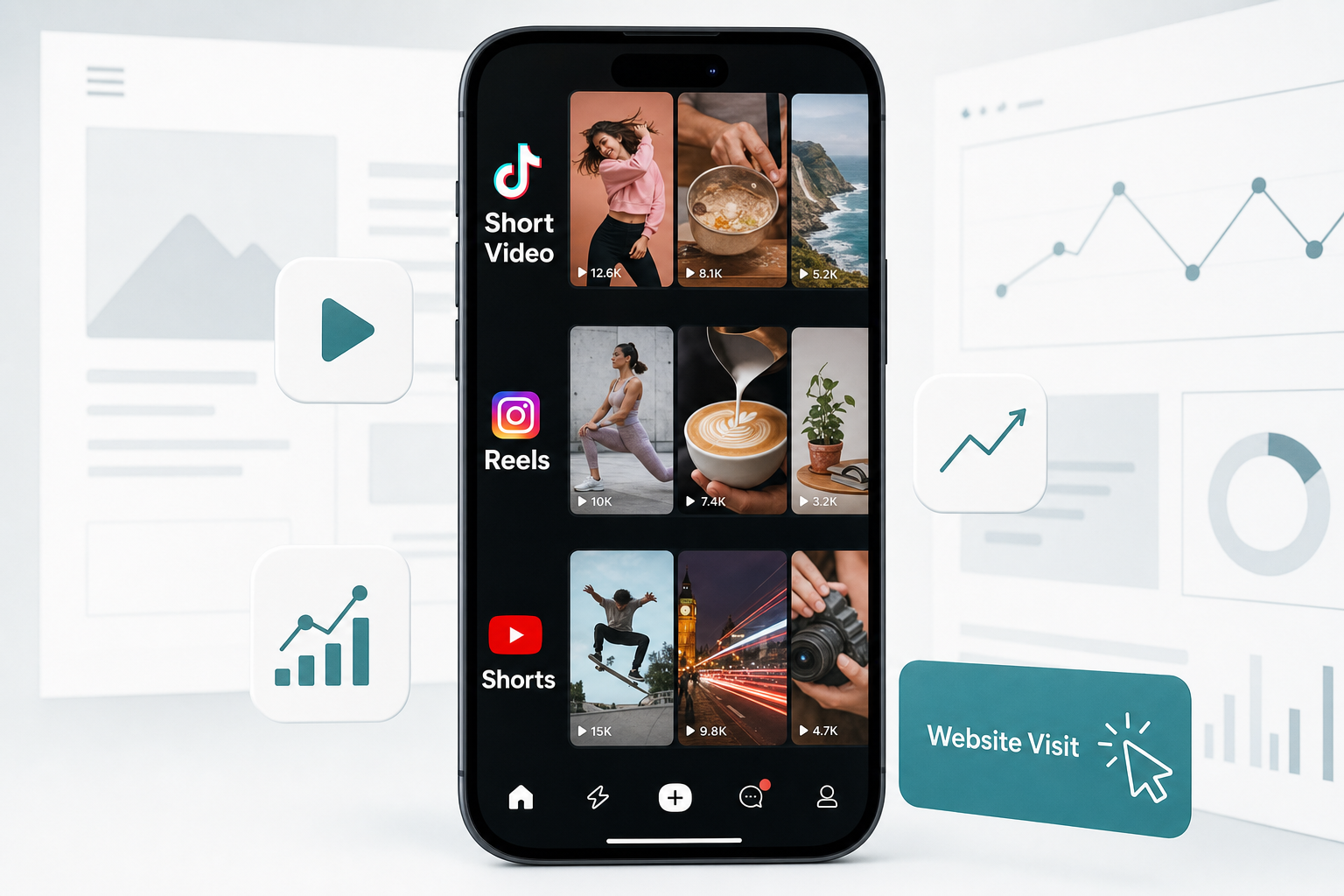
Short video has become prominent because the major social platforms have made it central to their user experience. TikTok has shaped audience expectations around fast, authentic and interest-led video. Instagram has continued to prioritise Reels as a discovery format. YouTube Shorts offers a way for brands to reach users who may already be searching for advice, reviews and demonstrations. Facebook Reels can also help businesses reach local audiences, particularly where an existing Facebook page is still active.
For businesses, this creates a useful bridge between social media marketing and wider digital strategy. A short video can introduce a viewer to your brand long before they are ready to make an enquiry. It can also support the decision-making stage by explaining what makes your service different, showing proof of expertise or reducing uncertainty.
The practical value is especially clear for businesses that offer visual products, professional services, training, hospitality, health and wellbeing, property, events, trades, recruitment or local services. However, the format is not limited to naturally visual sectors. A solicitor, accountant, consultancy or software provider can use short video to clarify common questions, explain terminology or share timely advice in a way that feels more accessible than a long article alone.
What makes short-form video marketing effective
Effective short-form video marketing is not just about reducing a longer video into a smaller file. The strongest pieces are designed specifically for fast viewing, usually in a vertical 9:16 format, with an immediate reason to keep watching. A viewer should understand the subject within the first few seconds.
Most business videos benefit from a simple structure: a hook, a useful point and a clear next step. For example, a web design agency might open with 'Three reasons your homepage is not generating enquiries', then briefly explain unclear messaging, weak calls to action and slow mobile performance, before encouraging viewers to read a website checklist or request an audit. A local retailer might show how to choose between two product options. A training provider might answer a frequently asked question from prospective learners.
It is also important to remember that many people watch social video without sound at first. Captions, on-screen text and strong visual cues help the message land quickly. In 2023, subtitles are not just an accessibility consideration; they are part of how users consume content on mobile devices. Keep on-screen wording concise and ensure it is easy to read on a small screen.
Choosing the right platforms
Not every business needs to be active on every short-video platform. The best choice depends on audience behaviour, internal capacity and the type of content you can produce consistently.
TikTok
TikTok is particularly strong for discovery, personality-led content and educational clips. It rewards relevance, watch time and engagement rather than simply favouring existing follower counts. This can make it useful for businesses that are willing to be clear, helpful and consistent. The tone is often less polished than traditional advertising, so overly corporate content may struggle unless it offers genuine value.
Instagram Reels
Instagram Reels can work well for brands that already use Instagram for visuals, community building or customer interaction. It is useful for showcasing products, services, behind-the-scenes activity, quick tips and brand personality. Reels can also support an existing Instagram presence by helping content reach beyond current followers.
YouTube Shorts
YouTube Shorts is valuable where your audience already uses YouTube to research topics, compare options or find out how to do something. For businesses producing longer educational videos, Shorts can act as a teaser or entry point. A short clip might summarise one useful idea and then guide viewers towards a longer video, guide or service page.
Facebook Reels and other channels
Facebook Reels can be relevant for local businesses, community-focused organisations and brands with an established Facebook audience. Other short-video opportunities may exist on platforms such as Pinterest or Snapchat, depending on audience and sector. The key is to avoid spreading effort too thinly. It is better to build a focused presence on one or two appropriate channels than to publish irregularly everywhere.
Content ideas that support business goals
The best short videos are linked to a recognisable business objective. That objective might be awareness, enquiries, trust, recruitment, customer support or repeat sales. Before filming, ask what the viewer should understand, feel or do after watching.
- Frequently asked questions: Answer the questions your sales team, reception team or account managers hear every week.
- Product demonstrations: Show the size, texture, function or use of a product in real conditions.
- Service explainers: Break down how your process works, what clients should prepare or what happens after an enquiry.
- Myth-busting clips: Correct common misconceptions in your industry without sounding confrontational.
- Before-and-after content: Where appropriate and compliant, show improvements, transformations or completed work.
- Behind-the-scenes videos: Introduce your team, workspace, production process or quality checks.
- Website guidance: Use short clips to direct people to calculators, booking forms, case studies, resources or contact pages.
For example, a business offering website design could create a series on homepage mistakes, mobile navigation, contact form usability and why clear service pages matter. A digital marketing consultancy could create short explainers on local SEO, content planning, analytics and campaign reporting. These videos can then be repurposed into website FAQs, email content or longer blog posts.
Connecting short video with your website
Short video should not sit in isolation from your website. Social platforms are excellent for reach, but your website remains the place where you control the brand experience, explain your services in depth and convert interest into enquiries.
Consider where video can improve key pages. A short introductory video on a service page can help visitors understand what you do quickly. A product page video can answer practical questions that photographs alone may not cover. A recruitment page can use video to communicate culture and expectations. An FAQ page can include short clips for complex topics, supported by written answers for accessibility and search visibility.
When adding video to a website, performance matters. Large files can slow pages down, particularly on mobile connections. Use appropriate hosting or embedding methods, compress media where suitable and avoid placing too many heavy videos on one page. Your website design should keep the video experience clean, fast and easy to use. Clear calls to action should sit close to relevant videos, such as 'Book a consultation', 'View the service', 'Download the guide' or 'Send an enquiry'.
Do not rely on video alone. Written content remains important for users who prefer reading, for accessibility and for search engines. A short transcript, summary or supporting copy can help search engines understand the page and give visitors a choice in how they consume the information.
SEO and search marketing considerations
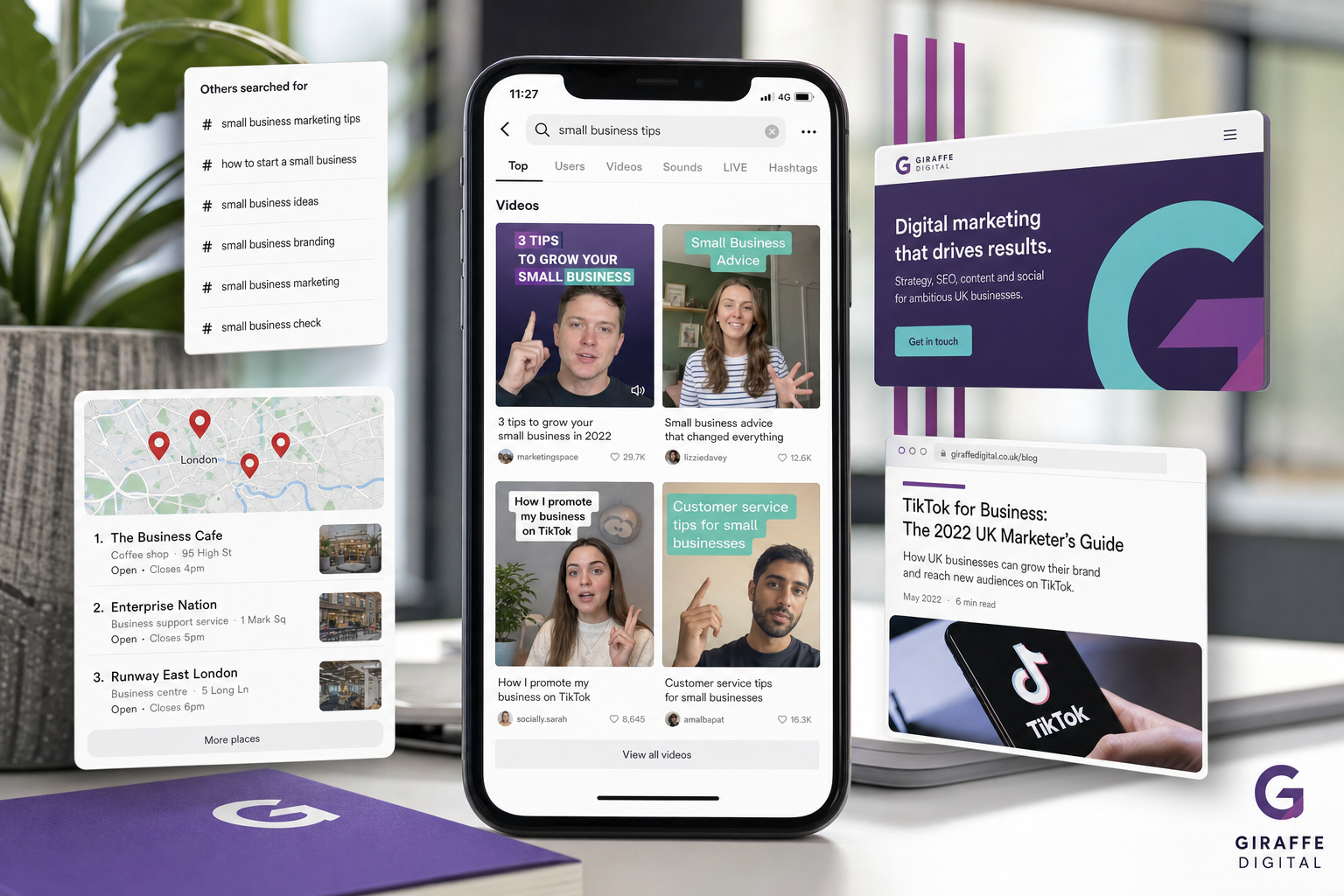
Short-form video marketing can support search visibility, but it should be planned carefully. Social videos may appear in search results, and video content can also help users spend longer with your brand. However, the strongest SEO value usually comes when video is connected to well-structured website content.
Start with keyword and audience research. Identify the questions your customers search for and turn those into short, useful video topics. A video titled around a clear question is often more useful than a vague trend-based caption. For instance, 'How long does a website redesign take?' is more searchable and helpful than 'Website tip of the day'.
On your website, give each important video a relevant page context. Add headings, descriptive copy and internal links. Where appropriate, use structured data for video content so search engines can better understand details such as the name, description, thumbnail and upload date. This should be implemented carefully and only where the information is accurate.
Short video can also support local SEO. A local business might create clips about service areas, common regional questions, premises, team members or local projects. These can reinforce trust and give potential customers a clearer sense of who they are contacting. As always, avoid making claims that cannot be substantiated.
Brand consistency across quick content
One risk with fast social content is that a brand can start to feel inconsistent. Trends can be useful, but they should not pull your business away from its positioning, values or audience expectations. A professional services firm, for example, does not need to copy every entertainment trend to succeed with short video. It may be more effective to be calm, clear and authoritative.
Create a simple brand framework for video. This might include preferred colours, fonts for captions, tone of voice, logo placement, opening styles and rules around music or humour. The aim is not to make every video identical, but to ensure viewers recognise your business and receive a consistent impression.
Think also about trust signals. For UK business owners, especially in sectors where credibility matters, a short video should support confidence. Use accurate language, avoid exaggerated promises and be careful with sensitive topics. If your industry has regulatory or professional requirements, ensure your social content follows them.
Domain names, landing pages and campaign planning
If short video is being used as part of a campaign, your domain and landing page strategy should be considered early. A memorable domain name can help people find you after seeing a video, especially if they do not click immediately. Keep domain names clear, easy to spell and aligned with your brand. Avoid hyphens or unusual wording unless there is a strong reason for using them.
When registering a domain for a campaign, choose a name that will still make sense once the campaign has matured. Think carefully before using very narrow trend-based phrases, as they may date quickly. For most businesses, it is better to direct users to a clear page on the main website rather than creating multiple disconnected campaign sites. This helps build authority around your primary domain and gives visitors a more consistent brand experience.
Landing pages should match the promise made in the video. If a video offers a checklist, the page should make that checklist easy to find. If the video promotes a service, the page should explain that service clearly, answer common questions and provide a straightforward enquiry route. Consistency between social content, page copy and calls to action improves the user experience and makes campaign performance easier to measure.
Measuring performance without chasing vanity metrics
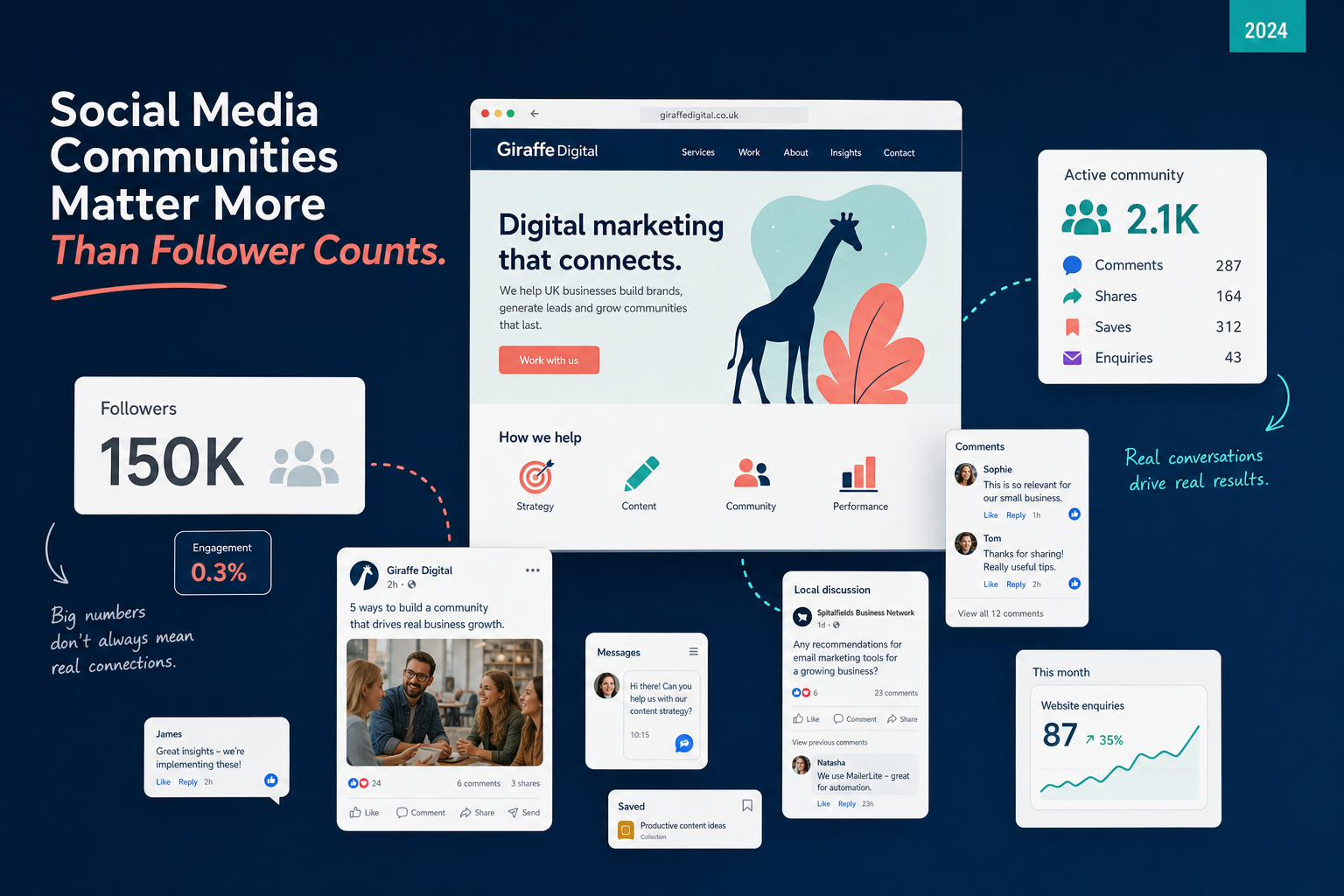
Views are useful, but they do not tell the whole story. A video with a modest number of views may be highly valuable if it reaches the right audience and generates enquiries. Equally, a video with high reach may not support the business if viewers are unlikely to become customers.
Track a balanced set of measures. These may include watch time, completion rate, saves, shares, comments, profile visits, website clicks, enquiries and assisted conversions. Use tracking links where appropriate, and review analytics regularly to understand which subjects encourage meaningful action.
It is also helpful to compare content by theme rather than judging individual posts too quickly. Over a month or quarter, you may find that educational videos generate more website visits, while behind-the-scenes clips improve engagement and recruitment interest. This insight can shape the next stage of your content plan.
Creating a manageable production process
Short video does not need to be over-produced, but it does need to be planned. A simple monthly content session can often produce several clips if topics are prepared in advance. Start with a list of customer questions, seasonal priorities, services you want to promote and pages on your website that need more traffic.
Batch filming can save time. Record several short answers in one session, using consistent lighting and framing. Keep clips focused on one idea at a time. Edit for clarity rather than complexity: remove pauses, add captions, choose a clear cover frame and include a suitable call to action.
Where possible, involve people who understand the subject matter. A knowledgeable team member explaining one practical point will often be more persuasive than a generic promotional montage. Authenticity matters, but it should still be supported by good planning, clear sound and a professional standard of presentation.
Making short video part of a wider digital strategy
Short-form video marketing works best when it is part of a connected digital strategy. Social clips can introduce your brand, your website can deepen understanding, email can nurture interest and search marketing can capture demand when people are actively looking. Each channel should support the others.
For UK business owners reviewing website design, SEO or social media activity in 2023, short video deserves serious consideration. It is no longer just a trend for consumer brands or creators. It is a flexible communication format that can help businesses explain, demonstrate and build trust quickly.
The starting point is not to post more for the sake of it. The starting point is to identify what your audience needs to know, where they spend time and how video can move them closer to a useful action. With a clear plan, consistent branding and a well-designed website behind it, short video can become a practical and measurable part of your digital marketing activity.