TikTok is no longer only a place for dances, trends and quick entertainment. For a growing number of users, especially younger audiences, it is becoming a place to search for answers, recommendations, demonstrations and inspiration. That shift matters for UK businesses because search behaviour has always shaped how people discover brands online. If people are typing questions into TikTok as well as traditional search engines, marketing plans need to reflect that behaviour.
This does not mean every organisation should abandon established search engine optimisation, paid search, email marketing or a well-built website. It does mean that TikTok search deserves more serious attention than it received a few years ago. The businesses that understand how people search on the platform can create more useful content, improve brand visibility and connect social media activity with their wider digital strategy.
Why TikTok search is becoming important
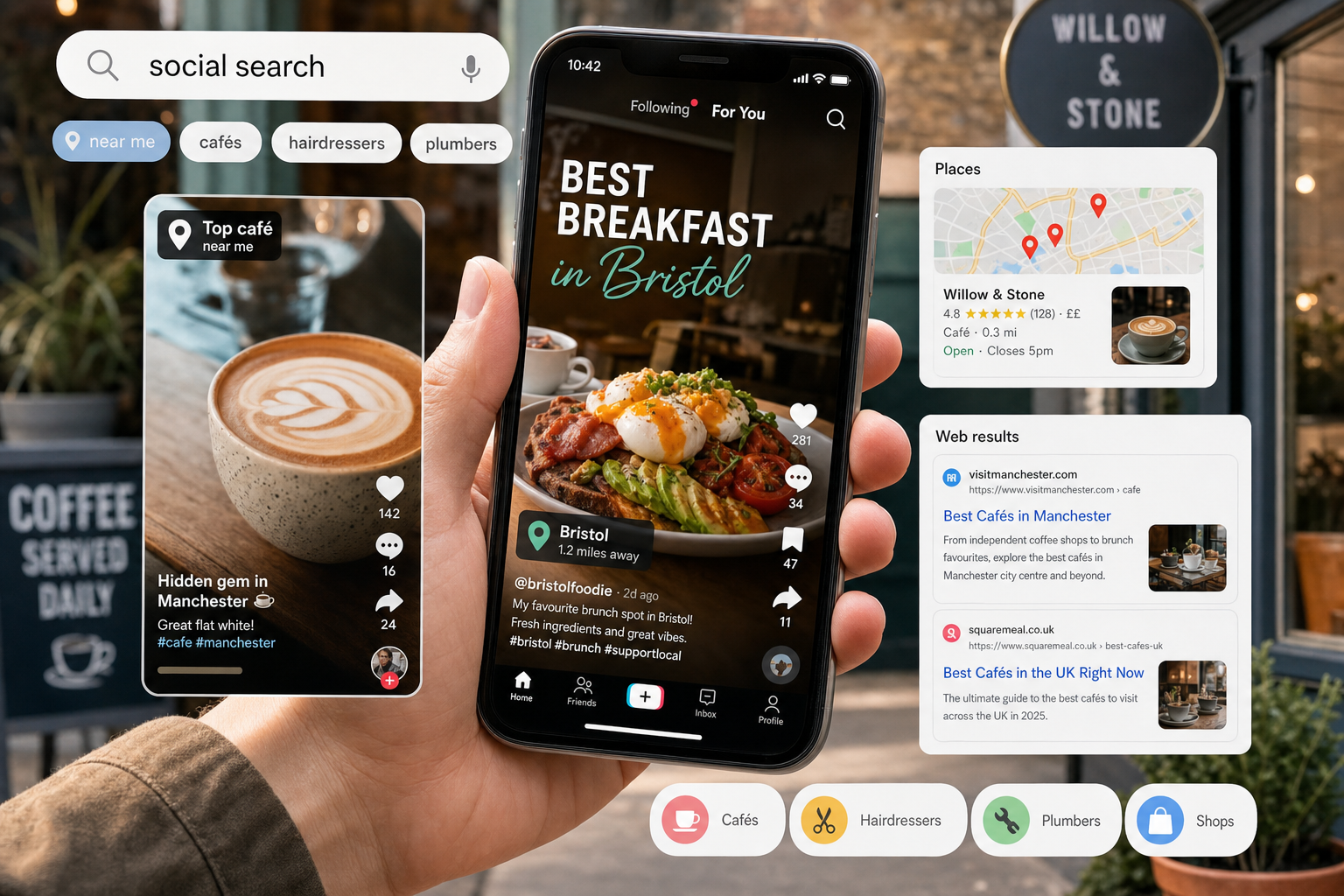
Search on TikTok feels different from search on a traditional search engine. People are often looking for a quick, visual answer. They might search for a hairstyle tutorial, a restaurant in Manchester, small bathroom ideas, beginner gym advice, holiday packing tips or a product demonstration. Instead of reading a long article first, they can watch a short video that shows the answer immediately.
This is particularly useful for subjects where seeing the result matters. A bakery can show how a celebration cake is finished. A salon can show a colour transformation. A tradesperson can explain what to check before booking a repair. A retailer can demonstrate how an item looks in use. A professional services firm can answer common questions in plain English. The searcher receives both information and a sense of the personality behind the business.
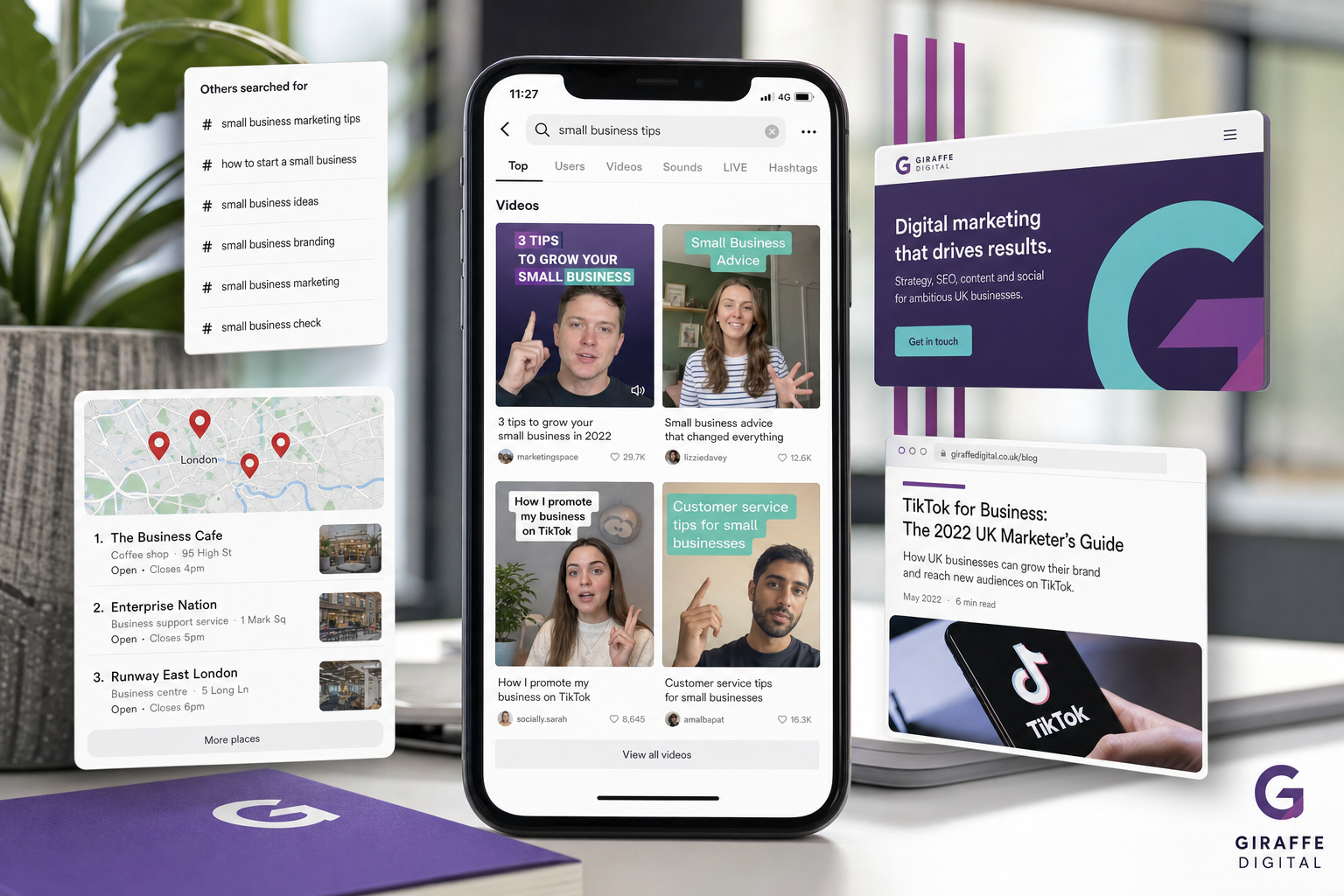
TikTok search is also influenced by community language. Users often search using everyday phrases rather than formal keywords. A person might search for easy dinner ideas, what to wear to a winter wedding, first-time buyer tips UK or best coffee in Leeds. These searches reveal intent, mood and context. For marketers, that is valuable because it encourages content that is closer to real customer questions.
For business owners, the key point is not that TikTok has replaced search engines. It has not. The important point is that search is becoming more fragmented. People now discover brands through a mixture of search engines, maps, social media platforms, video channels, review sites and recommendations. TikTok is increasingly part of that journey, particularly at the awareness and consideration stages.
What people are searching for on TikTok
Understanding TikTok search starts with understanding the types of questions people ask. Many searches are practical. Users want to know how something works, what something looks like, where to go, what to buy, what to avoid or how to solve a specific problem. That makes the platform relevant to more sectors than many business owners assume.
Local businesses can benefit from searches with a place name or local intent. Examples include brunch in Bristol, things to do in York, independent shops Brighton or hairdresser near me. TikTok videos can help people shortlist places before they visit a website, make an enquiry or check opening hours.
Retail and e-commerce brands can use TikTok search to answer product-led questions. A fashion retailer might create videos around styling, sizing, fabric care or outfit occasions. A homeware shop might show room ideas, before-and-after transformations or simple ways to use a product. A food brand might demonstrate recipes, serving suggestions and storage tips.
Service businesses can also use the platform effectively. Accountants, solicitors, consultants, trainers, designers and agencies can create concise educational content that explains common issues without overwhelming the viewer. A business does not need to reveal confidential knowledge or offer individual advice. It can simply help prospective customers understand the questions they should be asking.
For many audiences, TikTok search is part of a wider trust-building process. A person may see a video, search for similar content, visit a profile, check the comments, look for a website and then compare the business elsewhere. This means TikTok content should not sit in isolation. It should connect with a clear brand, a reliable website and consistent information across digital channels.
How TikTok search affects content planning
The most useful TikTok content often starts with customer questions. A good exercise is to list the questions your team answers regularly by phone, email, in-store, during consultations or through social media messages. These questions can become short video topics. The wording should be natural and specific because that is how people search.
For example, a kitchen showroom might create videos such as three things to check before choosing kitchen worktops, small kitchen storage ideas or what to bring to a kitchen design appointment. A fitness studio might use how to start Pilates if you are a complete beginner or what happens in your first class. A website design agency might explain what a small business website needs before launch or why your homepage should not try to say everything.
Because TikTok is a visual platform, content should show as well as tell. This does not always require polished production. In many cases, clear lighting, good sound, readable text and a straightforward structure are more important than a glossy advert. The opening seconds should make the topic obvious, especially when the video is intended to match a search.
Search-friendly TikTok content should usually include a clear spoken or written hook, relevant on-screen text, a useful caption and appropriate hashtags. Hashtags should describe the topic rather than chase every trend. A local business may include its town, city or region. A specialist service may include the problem being solved. The aim is to help the right audience understand what the video is about.
It is also worth building clusters of related videos. One video on a topic may be useful, but a series can build authority. For instance, an estate agent could create a set of videos around preparing a home for sale, understanding viewings, common paperwork and moving-day tips. A café could create content around menu highlights, dietary options, local suppliers and nearby places to visit. These clusters make the profile more helpful when someone arrives through search.
Connecting TikTok with website design and SEO
TikTok search can introduce people to your business, but your website still has an essential role. A social media profile is not a full substitute for a website you control. If a user discovers your video and wants to take the next step, the website should make that step simple, trustworthy and fast.
Good website design supports social discovery by answering the questions people have after watching your content. If your TikTok videos explain services, your website should provide clear service pages. If your videos show products, your product pages should include useful information, accurate imagery and straightforward calls to action. If your videos promote local visits, your website should make your location, opening times, contact details and accessibility information easy to find.
Search engine optimisation also remains important. Many users will see a brand on TikTok and then search for the business name in a search engine. If your website, business information and social profiles are inconsistent, trust can be weakened. Your brand name, address, phone number, opening times and key descriptions should be aligned wherever possible.
It is sensible to turn successful TikTok topics into website content. If a video answering a common question receives strong engagement, that may indicate demand for a fuller website article, FAQ section or landing page. This approach allows social media insight to inform SEO planning. It also gives you a more permanent home for detailed information that may be too complex for a short video.
Website performance should not be ignored. A person arriving from a social platform expects a smooth experience, particularly on mobile. Pages should load quickly, text should be easy to read, forms should be simple to complete and the design should not obscure important information. Core Web Vitals and mobile usability are already part of sensible web planning, but social traffic makes these practical details even more noticeable.
Branding, usernames and domain registration
As TikTok search grows, brand consistency becomes more important. A user may remember your business from a short video and then try to find you later. If your TikTok username, website domain, page title and other social handles are very different, you create unnecessary friction.
When planning a new brand or refreshing an existing one, check whether a clear domain name and matching social media handles are available before committing to a final name. A domain should be easy to say, spell and remember. For UK businesses, a relevant UK domain can help communicate location and trust, while a broader domain may suit organisations with wider ambitions. The right choice depends on your market, audience and long-term plans.
Avoid awkward spellings, unnecessary hyphens and names that are easily confused with other organisations. If people hear your business name in a TikTok video, they should be able to search for it without guessing. It is also wise to register sensible variations where appropriate, especially if your brand name is commonly misspelt or if you need to protect a trading name. Do not overcomplicate the domain strategy, but do make it easy for customers to find the correct website.
Profile presentation matters too. Your TikTok bio should explain what the business does, who it helps and where it operates if location is relevant. The profile image should be recognisable at a small size. If you link to a website, make sure the destination is relevant to the likely intent of the visitor. Sending every user to a cluttered homepage is not always the best option; a clear landing page can often work better.
How businesses can measure value
Measuring TikTok search value requires a practical view of the customer journey. Not every useful interaction will lead to an immediate enquiry. Some people may watch several videos, search for the business later, discuss it with someone else, visit the website and only then make contact. That makes attribution less tidy than a simple advert click.
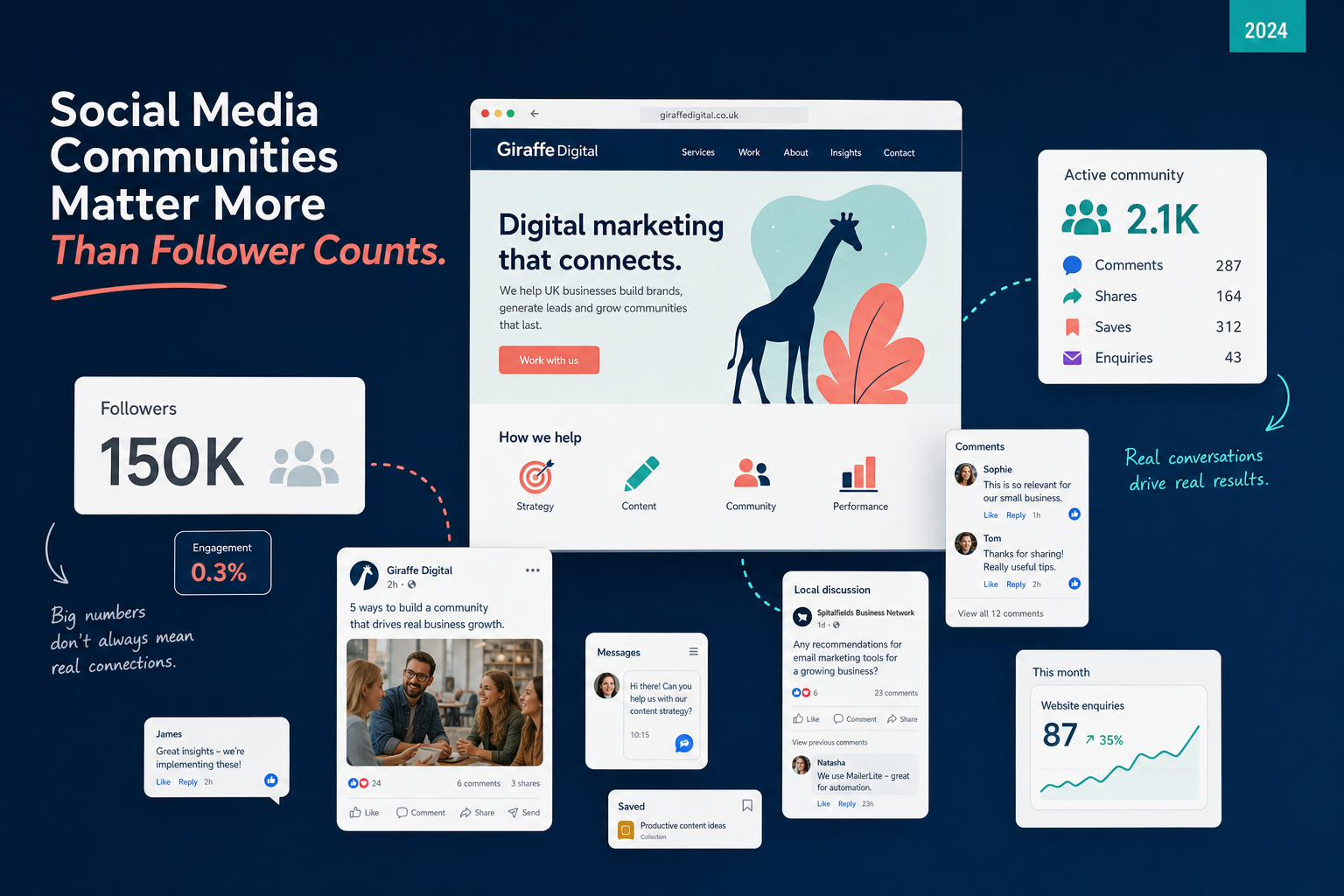
However, businesses can still look for helpful signals. These may include profile views, comments that indicate intent, saves, shares, website visits from the profile link, direct messages, branded search growth and enquiries that mention social media. Sales teams and front-of-house staff can also ask new customers how they first found the business. This simple question often reveals patterns that analytics alone may miss.
It is worth reviewing TikTok search terms and comments regularly. The phrases people use can highlight confusion, objections and opportunities. If several users ask whether a service is available in a particular area, that may deserve a clearer website page. If people ask how a product is made, that could become a content series. If viewers repeatedly mention a concern, your marketing may need to address it more directly.
Business owners should avoid treating TikTok as a quick-win channel where every post must generate instant results. A more realistic aim is to build a library of useful, searchable video content that supports awareness, trust and demand over time. Consistency matters, but so does quality. Posting frequently without a clear purpose is unlikely to help.
Practical steps to start using TikTok search
If your business is considering TikTok, begin with research rather than posting immediately. Search for your service, product category, location and common customer questions. Look at the language people use, the style of videos that appear and the gaps where better information could be provided. Pay attention to UK relevance, as advice from other markets may not always apply to your audience.
- List customer questions: Gather common questions from enquiries, consultations, reviews and social messages.
- Group topics by intent: Separate educational content, product demonstrations, local discovery, trust-building and frequently asked questions.
- Use clear wording: Put the main topic in the opening, on-screen text and caption where natural.
- Think mobile first: Use readable text, clear sound and a simple structure that works on a small screen.
- Connect to your website: Make sure interested viewers can find accurate information and take the next step easily.
- Review and adapt: Use comments, saves, shares and enquiries to guide future content ideas.
A simple monthly plan can be enough to start. For example, one week might focus on frequently asked questions, another on product or service demonstrations, another on local or behind-the-scenes content, and another on common mistakes or tips. This keeps the profile varied while still serving search intent.
It is also sensible to repurpose ideas carefully across platforms. A strong TikTok concept may work as a short video elsewhere, as part of an email newsletter, or as the basis for a website article. The format should be adapted rather than copied blindly. Each platform has its own expectations, but the underlying customer question can inform multiple pieces of content.
A wider shift in digital marketing behaviour
TikTok search is part of a broader change in how people discover information online. Users expect answers that are quick, visual, useful and authentic. They want to see products in context, hear direct explanations and understand whether a business feels credible before they make contact. This creates opportunities for organisations that are willing to be helpful and clear.
For UK business owners, the best response is balanced. Continue investing in a strong website, clear branding, reliable search engine optimisation and well-planned digital marketing. At the same time, pay attention to the search behaviour happening on social platforms. TikTok may reveal questions and interests that do not yet appear clearly in traditional keyword research.
The businesses most likely to benefit are those that connect the dots. They use TikTok to answer real questions, their website to provide depth and conversion, their domain and branding to make discovery easy, and their wider marketing to build trust. TikTok search should not be treated as a novelty. It should be treated as another sign that customers are shaping their own routes to information, and brands need to be visible where those routes begin.